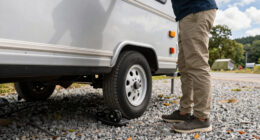
To stay safe during solo camps and roadside stops, stay alert to your surroundings and be aware of nearby travelers, locals, and potential hazards. Share your plans with trusted people and carry an emergency kit. Prepare for environmental risks, check weather, and know help locations. Use apps to update loved ones and trust your instincts if something feels off. Prioritize community connections and awareness — mastering these strategies can make all the difference. Keep exploring to learn more.
Key Takeaways
- Share your plans and location with trusted contacts before starting your solo camp or roadside stop.
- Carry a well-stocked emergency kit and have a backup plan for assistance if needed.
- Stay aware of your surroundings, trust your instincts, and remove yourself from unsafe situations proactively.
- Respect local customs and community norms to avoid conflicts and ensure smoother interactions.
- Use online and offline safety measures, such as updating status and visual cues, to enhance personal security.
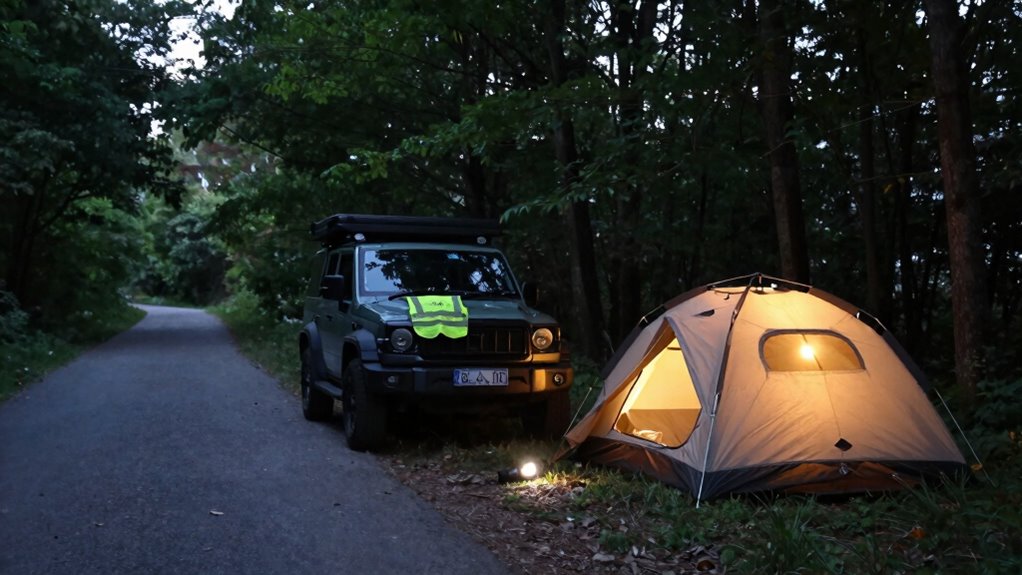
When you’re camping solo or stopping along the roadside, prioritizing your safety isn’t just smart—it’s essential. You need to be aware of your surroundings, understanding that your actions can influence your safety and that of others around you. Community awareness plays a significant role here. Being conscious of nearby campers, travelers, or locals helps you gauge potential risks and build a sense of connection, which can be a safety net in uncertain situations. It’s good practice to share your plans with someone you trust, like a friend or family member, including your location and expected return time. This way, if something unexpected happens, someone will notice and can alert authorities if necessary.
Stay aware of your surroundings and share plans to enhance safety during solo camping or roadside stops.
Emergency preparedness is another critical aspect of your safety strategy. Always carry a well-stocked emergency kit that includes essentials like water, first aid supplies, a flashlight, and a charged mobile phone. Before you set out, check the weather forecast and plan your route accordingly. This preparation minimizes surprises and keeps you ready for unexpected events, whether it’s a sudden storm or a flat tire. Knowing basic first aid and how to handle common emergencies can make a difference if help isn’t immediately available. It’s also wise to have a backup plan—know where the nearest help centers, campgrounds, or roadside assistance stations are located. Being aware of environmental hazards in your surroundings can help you recognize potential dangers early on and avoid risky situations. Additionally, understanding local regulations can prevent unintentional violations that might compromise your safety or lead to fines. Staying informed about safety tips relevant to your area can further enhance your preparedness.
In addition to personal gear, consider your online and offline presence. Sharing your location on a trusted app can provide an extra layer of security, especially if you’re venturing into remote areas. Regularly updating your status reassures loved ones that you’re safe or alerts them if you’re in trouble. Remember, community awareness extends beyond the immediate people around you; being mindful of local customs, regulations, and community norms can prevent misunderstandings or conflicts that might escalate into safety concerns. Understanding the importance of visual clarity in your environment can also help you better assess potential hazards, especially in low-light conditions. Furthermore, practicing situational awareness by observing your surroundings and noting any unusual activity can significantly reduce risks during your trip.
Lastly, trust your instincts. If something feels off—whether it’s a person, place, or situation—don’t hesitate to remove yourself from it. Being proactive in community awareness and emergency preparedness ensures that you’re not just reacting to danger but actively managing it. Solo camping and roadside stops can be enjoyable and rewarding, but only if you prioritize your safety through vigilance, preparation, and a sense of community. Your awareness and readiness are your best tools for a safe adventure.

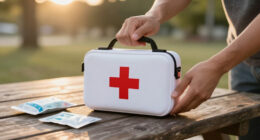
Mini First Aid Kit – 150 Piece Small Waterproof Hard Shell Medical Kit for Home, Car, Travel, Camping, Truck, Hiking, Sports, Office, Vehicle & Outdoor Emergencies- Small First Aid Medical Kit (Red)
- Complete Emergency Supplies: Over 150 professional-grade medical items
- Lightweight & Compact: Measures 6.4 x 4.9 x 2.7 inches, 0.73 lbs
- Travel-Friendly Design: Includes zippers and carabiners for convenience
As an affiliate, we earn on qualifying purchases.
As an affiliate, we earn on qualifying purchases.
Frequently Asked Questions
What Should I Do if I Encounter Wildlife Unexpectedly?
If you encounter wildlife unexpectedly, stay calm and avoid sudden movements. Understand wildlife behavior—most animals prefer to avoid humans. Make yourself look bigger, speak loudly, and back away slowly without turning your back. Follow encounter precautions: don’t feed or approach animals, keep food secured, and carry bear spray if necessary. Respect their space, and remember that understanding wildlife behavior helps you stay safe during unexpected encounters.
How Can I Discreetly Signal for Help?
Think of emergency signaling like sending a secret Morse code message in a bottle. To discreetly signal for help, use stealth communication tools like a whistle, a mirror to reflect sunlight, or a small flashlight with pre-set signals. You can also create subtle signals like tapping a pattern on your vehicle or camp structure. These methods guarantee help is on its way without drawing unwanted attention, keeping your safety a priority.
Is It Safer to Camp Near Other Campers or Alone?
Camping near other campers generally offers better safety, thanks to increased campground security and the presence of others who can help in emergencies. Solo camping tips emphasize choosing well-populated sites, staying alert, and informing someone of your plans. While solitude feels peaceful, proximity to others boosts safety, making it easier to get help quickly if needed. Trust your instincts and prioritize areas with active management for a safer experience.
What Are Signs of a Threatening Individual?
Signs of a threatening individual include when they ignore personal boundaries, get too close, or invade your space. Recognizing aggression involves observing aggressive gestures, hostile tone, or intimidating behavior. If someone appears tense, avoids eye contact, or displays sudden movements, stay alert. Trust your instincts—if something feels off, distance yourself and seek safety. Always prioritize your safety by staying aware of these signs and maintaining a confident, cautious attitude.
How Do I Handle a Vehicle Breakdown Safely?
Handling a vehicle breakdown is like managing a delicate balance. First, pull over safely, turn on your hazard lights, and stay inside if possible. Use emergency communication devices to call for help, and avoid approaching strangers. Keep your vehicle well-maintained to prevent breakdowns, and carry essential tools. By staying calm and prepared, you protect yourself and make roadside stops safer, ensuring help arrives quickly and safely.
Mini First Aid Kit – 150 Piece Small Waterproof Hard Shell Medical Kit for Home, Car, Travel, Camping, Truck, Hiking, Sports, Office, Vehicle & Outdoor Emergencies- Small First Aid Medical Kit (Red)
- Complete Emergency Supplies: Over 150 professional-grade medical items
- Lightweight & Compact: Measures 6.4 x 4.9 x 2.7 inches, 0.73 lbs
- Travel-Friendly Design: Includes zippers and carabiners for convenience
As an affiliate, we earn on qualifying purchases.
As an affiliate, we earn on qualifying purchases.
Conclusion
By embracing these safety tips, you create a quiet confidence that whispers reassurance in unfamiliar settings. Remember, a mindful approach transforms potential uncertainties into opportunities for tranquil exploration. Trust your instincts, stay prepared, and let your inner compass guide you through peaceful journeys. When you prioritize subtle vigilance, you craft a seamless harmony between adventure and security—allowing your solo travels to unfold with grace and serenity, like a gentle breeze through open skies.

Collapsible Portable LED Camping Lantern XTAUTO Lightweight Waterproof Solar USB Rechargeable LED Flashlight Survival Kits for Indoor Outdoor Home Emergency Light Power Outages Hiking Hurricane 4-Pack
- 360° Lighting Coverage: Wide-range LED illumination with adjustable brightness
- Lightweight & Portable: Collapsible design with handle for easy carrying
- Durable & Waterproof: Made of high-quality, water-resistant ABS material
As an affiliate, we earn on qualifying purchases.
As an affiliate, we earn on qualifying purchases.
As an affiliate, we earn on qualifying purchases.