
TL;DR

Get emergency and outdoor gear delivered free with Prime
- Fast, free delivery on millions of items
- Prime Video, Amazon Music and more included
- Member-only deals all year
Outdoor Life reported a 200-yard ballistic-gel comparison of a 6.5 Creedmoor and a .300 Win. Mag. using Federal Fusion Tipped factory loads. The .300 delivered higher impact velocity and a wider expanded bullet, but the test found nearly identical penetration and wound-cavity measurements; the result does not establish that the cartridges perform equally in animals.
Outdoor Life published a ballistic-gel comparison of the 6.5 Creedmoor and .300 Win. Mag. that found the magnum load delivered higher impact velocity and a wider expanded bullet, while the measured penetration and wound-cavity diameter were nearly identical. The test, conducted at 200 yards with one factory load for each cartridge, offers a limited comparison of those loads—not proof that either cartridge is universally better for hunting.
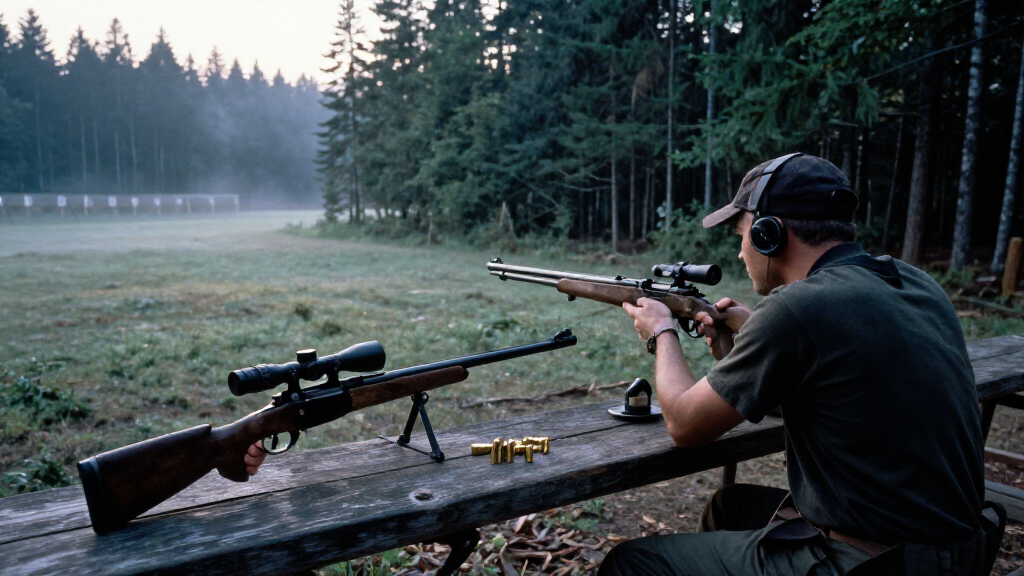
In the test described by Outdoor Life writer Tyler Freel, both rifles fired Federal Fusion Tipped ammunition into identical Clear Ballistics gel blocks. The 6.5 Creedmoor used a 140-grain bullet and an 18-inch barrel; the .300 Win. Mag. used a 180-grain bullet and a 22-inch barrel. A chronograph recorded impact velocity about 15 yards in front of the targets.
The 6.5 Creedmoor bullet reached the gel at 2,233 feet per second, expanded to .446 inches, and penetrated 20.75 inches. The .300 Win. Mag. bullet arrived at 2,526 feet per second, expanded to .554 inches, and penetrated 20 inches. Both produced a measured wound-cavity diameter of 2.25 inches, according to the report.
Freel said the .300 load struck the block with more energy and disrupted slightly more tissue across its path, but the overall wound channels and penetration were close in this test. The report cautioned that ballistic gel is a consistent comparison medium, not a one-to-one representation of animal tissue.
What the Gel Test Can Tell Hunters
The comparison addresses a familiar hunting argument: whether choosing a more powerful cartridge provides a meaningful margin for error on a shot that is not perfectly placed. The .300 Win. Mag. had higher recorded impact velocity and its bullet expanded wider in this particular test. The measured cavity diameter and penetration were similar, illustrating that energy figures alone do not capture all aspects of terminal performance.
Freel also discussed recoil and practice as considerations in rifle selection, noting that a milder cartridge may be more comfortable to shoot. The test does not determine which cartridge is appropriate for a particular animal, distance, or load. Those choices depend on the bullet, game and conditions, as well as the hunter’s ability to place a responsible shot.
Popular right now

Dreame G10 Pro Wet and Dry Vacuum Mop

Samsung QN65LS03FAFXZA 65 The Frame QLED 4K Art Mode Vision AI Smart TV (2025)

Dyson Cyclone V10 Origin Cordless Vacuum
As an affiliate, we earn on qualifying purchases.
The Question Behind Cartridge Choice
Outdoor Life framed the comparison around two broad views among big-game hunters. Supporters of smaller cartridges point to manageable recoil and the ability to practice more comfortably, while supporters of magnums argue that greater bullet size, velocity, and energy can provide more performance on larger game or at longer distances. The report notes that these approaches are not mutually exclusive and that hunters vary in what they can shoot well.
Freel’s test was a controlled, side-by-side demonstration using one ammunition type and specific rifle configurations. The barrel lengths differed by four inches, and each cartridge was represented by a different bullet weight. Those details matter: the numbers describe the tested loads and setup, not every 6.5 Creedmoor or .300 Win. Mag. rifle and ammunition combination.
“The gel isn’t a one-to-one representation of flesh, but it is a homogeneous, consistent medium in which we can get a side-by-side comparison of two bullets.”
— Tyler Freel, Outdoor Life
Limits of the Two-Load Comparison
The report does not establish how the loads would perform across different bullet designs, ranges, impact angles, or animal species. It tested one factory load per cartridge in ballistic gel, and gel does not reproduce all features of living tissue, including bone and the variation between animals. The measured wound-cavity diameter is also a result from this test, not a guarantee of a particular outcome in the field.
It remains unclear from the supplied report how much the observed differences would change with other ammunition or rifle configurations. The comparison also does not resolve what cartridge is appropriate for a particular hunt; that depends on factors beyond this test, including lawful equipment requirements, distance, bullet construction, and shot placement.
Applying the Results to a Hunt
The report’s findings are a comparison of the two tested loads, rather than a ranking of the cartridges. Hunters considering either option can compare ammunition specifications and test their rifle and chosen load at realistic distances, while considering recoil and their ability to practice consistently. The source material does not announce a follow-up test or additional results.
For a specific hunting decision, the next step is to match a suitable bullet and cartridge to the game and conditions, follow applicable regulations, and prioritize accurate shot placement. The gel results may inform that assessment, but they do not replace field evidence or guidance from qualified hunting and firearms professionals.
Key Questions
Which cartridge had higher impact velocity in the test?
The .300 Win. Mag. load reached the gel at 2,526 feet per second, compared with 2,233 feet per second for the 6.5 Creedmoor load.
Did the test find a larger wound cavity from the .300 Win. Mag.?
The report recorded a 2.25-inch wound-cavity diameter for both loads. It said the .300 load disrupted slightly more tissue across its path, while overall cavity diameter and penetration were nearly identical.
Does this test prove the two cartridges perform equally on game?
No. The test used ballistic gel, which the report says is not a one-to-one representation of flesh, and compared only one factory load for each cartridge. It cannot establish equal performance across animals, bullets, or hunting conditions.
What is the practical trade-off discussed in the report?
Freel describes milder cartridges as generally easier and more pleasant to shoot, which can support practice and accuracy. The .300 Win. Mag. produced higher impact velocity in this test; the best choice depends on the hunter, load, game, and conditions.
Source: outdoorlife.com