TL;DR

Get emergency and outdoor gear delivered free with Prime
- Fast, free delivery on millions of items
- Prime Video, Amazon Music and more included
- Member-only deals all year
An Outdoor Life report published Oct. 29 lists five archery mistakes that can affect bowhunting opportunities: inconsistent grip, relying on autopilot, failing to check bow tune, pressing the string into the face and fighting the bow. The article recommends a deliberate shot process, regular equipment checks and patience while adjusting technique; it does not provide new test data or quantify how often these errors cause missed shots.
Outdoor Life published a bow-season guide Oct. 29 describing five common archery mistakes that, according to the report’s author, can cost hunters opportunities: inconsistent grip, relying on autopilot under pressure, neglecting bow-tune checks, pressing the string into the face and trying to muscle the bow steady. The piece offers practical corrections, but does not report new research or measure how frequently the errors lead to missed shots.
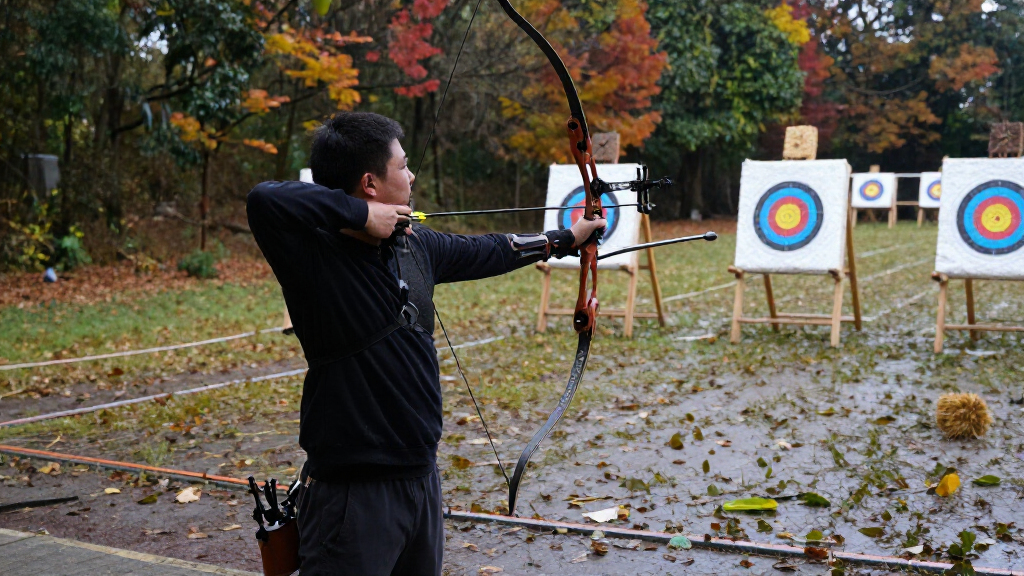
The author, who says they have spent 20 years shooting, competing and hunting with different kinds of bows, recommends placing the hand high on the grip, angling the knuckles about 45 degrees to the riser and limiting contact to the area between the thumb pad and lifeline. The report says a consistent grip can reduce unwanted torque and help with accuracy and tuning.
For shots under pressure, the guide advises hunters to use a deliberate sequence of steps rather than letting a familiar routine run unattended. It suggests listing the steps and checking them off, keeping attention on the process instead of rushing to release an arrow. The author also recommends checking the sight and rest timing about once a month, shooting through paper and confirming that broadheads are in tune, since strings can move over time.
The remaining form advice concerns light string contact and relaxed aiming. The report says pressing the string firmly into the face or nose can create oscillation and left-right inconsistencies. It also says a pin will naturally float around the target; the goal is a slow, consistent movement and controlled shot execution, not forcing the bow to remain motionless.
How Small Errors Affect Field Shots
Bowhunting shots can happen under pressure, when a hunter has limited time to settle, aim and execute. The report’s central point is that repeatable form and equipment checks can reduce avoidable variables before a hunting opportunity arises. Its advice applies both to newer archers building habits and experienced hunters whose gear or routine may have changed.
The recommendations are practical rather than a guarantee of better results. The source does not provide comparative accuracy data or establish that any single correction will prevent a miss. It does, however, identify checks a hunter can make in practice: verify the bow’s setup, use a consistent grip and follow a shot sequence instead of focusing only on releasing quickly.
Popular right now

KitchenAid 5.5-Qt Bowl-Lift Stand Mixer, Porcelain White (KSM55SXXX)

Dyson V8 Cyclone Cordless Vacuum

Sony BRAVIA XR8B 65-Inch 4K OLED Google TV (K-65XR8B)
As an affiliate, we earn on qualifying purchases.
Five Errors in the Report
The article draws on the author’s reported experience with selfbows and compound bows, as well as learning from coaches and experienced archers. It groups the mistakes into equipment, technique and decision-making: grip; shooting on autopilot; assuming the bow remains in tune; excessive string pressure; and fighting natural pin movement.
Its final tip addresses changes to equipment or form. The author says accuracy may dip while an archer adapts and recommends practicing on a large target during that period, prioritizing a comfortable, repeatable shot before judging results. This is presented as practice guidance, not a substitute for instruction or safe range procedures.
““The goal is for your pin to have a slow, consistent float around the spot.””
— Outdoor Life report
What the Guide Does Not Measure
The report is an experience-based gear and technique guide, not a controlled study. It does not quantify how often each mistake occurs, compare accuracy before and after a correction, or establish that its recommendations work identically for every archer or bow setup. The article also does not specify a single method for checking every model of sight, rest or bow.
Hunters should treat the monthly check interval as the author’s recommendation, not a universal standard. Equipment needs and safe practice procedures can vary; the supplied report does not provide detailed, model-specific tuning instructions.
Practice Before the Next Hunt
The report recommends revisiting grip and shot sequence during practice, then checking sight settings, rest timing and broadhead tune regularly. After a change to form or equipment, it advises allowing time to adapt and using a large target while rebuilding a consistent shot. The source gives no follow-up test or additional reporting schedule, so outcomes for individual hunters remain personal to their practice and setup.
Key Questions
What five mistakes does the report identify?
It lists inconsistent grip, relying on autopilot, assuming the bow is still in tune, pressing the string into the face and trying to force the bow steady.
How often does the author recommend checking bow setup?
The report suggests checking the sight and rest timing about once a month, along with paper tuning and confirming broadhead tune. It presents this as the author’s guidance, not a universal rule for every bow.
Should the bowstring press firmly against the face?
No. The guide says the string may touch the face lightly, but pressing it firmly can contribute to left-right inconsistencies.
What should an archer do if the pin moves while aiming?
The report says not to try to freeze the pin. It recommends allowing a slow, consistent float around the intended spot while focusing on controlled shot execution.
What does the report recommend after changing form or equipment?
It advises practicing through the adjustment period on a large target and focusing first on making the shot feel consistent, rather than judging accuracy immediately.
Source: outdoorlife.com