
TL;DR

Get emergency and outdoor gear delivered free with Prime
- Fast, free delivery on millions of items
- Prime Video, Amazon Music and more included
- Member-only deals all year
An opinion essay published by Outdoor Life on Oct. 12, 2026, describes a Tlingit writer’s return to Alaska and her efforts to learn hunting, fishing and craft traditions from family and elders. The author argues that listening to elders and making cultural knowledge accessible can help younger generations carry those practices forward.
Outdoor Life published a first-person essay on Oct. 12 by a Tlingit writer identified as Kootink, describing how she returned to Alaska and learned subsistence practices from her family and community. Her account links hunting, fishing and making items from harvested materials to a broader effort by younger Tlingit people to preserve cultural knowledge passed down by elders.
Kootink writes that she was born in Ketchikan and grew up in Craig, on Prince of Wales Island, where she says children ate food their families harvested. Buying chicken at a grocery store after moving to California for college was a culture shock, she recalls. After living in California and Florida, she returned to Alaska, describing her connection to Tlingit people, culture and land as a reason for coming home.
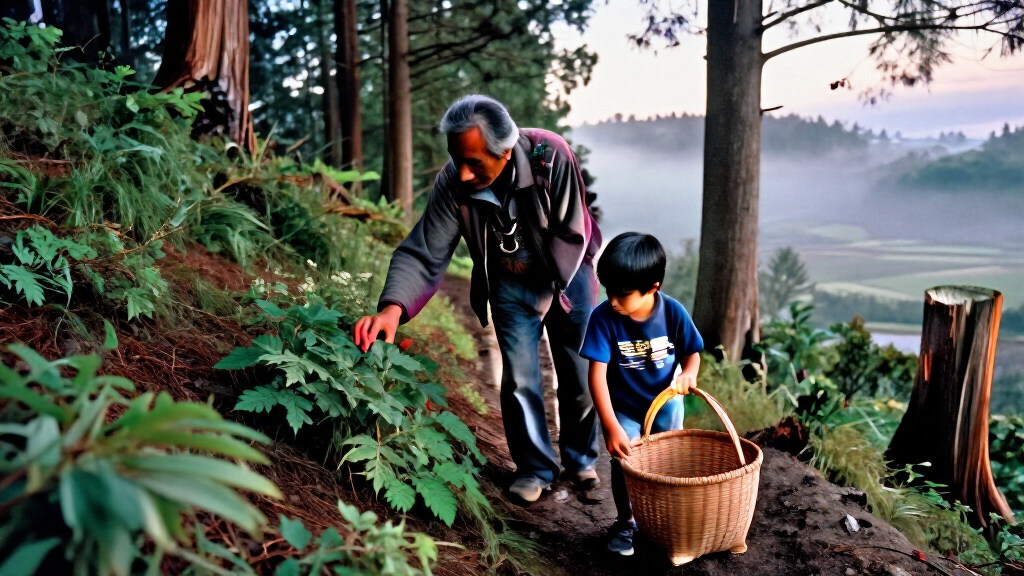
She recounts asking her father to take her hunting before he agreed when she was 28. Using a rifle he provided, she shot a blacktail deer during the November rut. Her account emphasizes using the animal beyond the meat: her family makes soup from the neck and spine, boils or fries the stomach, and uses antlers and hide for craftwork and clothing. She says making those items connects her to her great-grandmother, who sewed skins.
The essay also describes traditional halibut hooks made from yew and yellow cedar. Kootink says her father learned to make them from an elder in Craig and later taught her to fish with them. She presents the hooks as both a practical fishing tool and a form of cultural knowledge. The essay is a personal account and argument, not a study measuring how widely these practices are continuing.
Learning Skills Across Generations
The essay offers a personal account of how subsistence can carry knowledge across generations: not only how to harvest food, but how to prepare it, use materials, and relate to the land and water. Kootink describes her father’s hunting instruction and hook-making lessons as ways that family knowledge becomes practice rather than remaining a story about the past.
She also connects cultural continuity to the ability of younger people to learn without being excluded by ideas about blood quantum. The author says some Tlingit people are treated as “not Native enough” to carry on the culture and rejects that view. Her position is an argument in the essay; the piece does not report a formal policy change or establish how common that attitude is.
For readers outside the community, the account gives specific examples of the labor and knowledge behind subsistence foods and objects. Kootink says interest from non-Native people and those living elsewhere can help share traditions, while stressing that listening to elders and putting their lessons into practice matters most.
As an affiliate, we earn on qualifying purchases.
A Return to Tlingit Practice
Kootink frames her return to Alaska against a family history shaped by forced assimilation. She writes that her grandmother’s generation was taught Tlingit culture was an obstacle and that Tlingit children were sent to boarding schools and subjected to religious coercion. She says trauma from those experiences affected what her father’s generation knew about their culture. The essay does not identify specific schools, dates or government records, so these points remain her account of family and community history.
Her account moves between inherited knowledge and learning as an adult: she began hunting with her father at 28, and learned to fish with wooden hooks he had learned to make from an elder. The reported publication date is Oct. 12, 2026. The source is an opinion essay, and the article’s claims about the importance of cultural continuity should be read as the author’s perspective.
““The most important thing we can do is listen to our elders, learn about the old ways, and put those lessons to use.””
— Kootink, the author
Yew and yellow cedar crafting tools
As an affiliate, we earn on qualifying purchases.
As an affiliate, we earn on qualifying purchases.
The Wider Picture Is Unreported
The essay centers on Kootink’s experience and does not provide data on how many younger Tlingit people are learning or practicing these traditions. It also does not describe specific community programs, funding, access to hunting and fishing areas, or the effects of regulation and environmental change on subsistence activity. Those matters cannot be established from this account alone.
It is also unclear how broadly views about blood quantum and cultural belonging vary within Tlingit communities. Kootink reports encountering the idea that some people are “not Native enough,” but does not name individuals or quantify how prevalent that belief is. Her hopes for the culture’s future are personal hopes, not a forecast backed by evidence in the essay.
hunting and fishing gear for subsistence living
As an affiliate, we earn on qualifying purchases.
As an affiliate, we earn on qualifying purchases.
Passing Knowledge Through Practice
Kootink identifies continued learning from elders as the next step, especially as older community members serve as storytellers and keepers of history. She describes her father teaching her to use traditional hooks and says younger people are trying to live the culture they value. The essay does not announce a new program or scheduled event; the continuation it describes depends on people sharing and practicing skills within families and communities.
She also sees technology as a way for more people to learn about traditional foods and the stories behind them. Whether that interest will translate into wider participation or address the gaps in knowledge described in the essay remains unknown. Her account points to a clear immediate action—listen, learn and use what elders teach—without claiming that one story or method can resolve the wider challenges facing cultural transmission.
indigenous craft and hunting supplies
As an affiliate, we earn on qualifying purchases.
As an affiliate, we earn on qualifying purchases.
Key Questions
What is the news development?
Outdoor Life published a first-person opinion essay on Oct. 12, 2026, about a younger Tlingit woman learning and carrying on subsistence traditions in Alaska.
Who is Kootink?
Kootink is the Tlingit name used by the essay’s author. She says she was born in Ketchikan and grew up in Craig on Prince of Wales Island; the source material does not provide a further name.
What traditions does the essay describe?
The author recounts deer hunting and using different parts of the animal, as well as learning to fish with wooden halibut hooks made from yew and yellow cedar.
What does the author say younger people can do?
She says they can listen to elders, learn traditional skills and stories, and put those lessons into practice. She also argues that cultural belonging should not be restricted by blood-quantum standards.
Does the essay show how widespread these practices are?
No. It is a personal account and does not give participation figures, survey results or other data on how many Tlingit people are learning or practicing the traditions described.
Source: rss
Fall Picks
fall essentials
As an affiliate, we earn on qualifying purchases.