TL;DR

Get emergency and outdoor gear delivered free with Prime
- Fast, free delivery on millions of items
- Prime Video, Amazon Music and more included
- Member-only deals all year
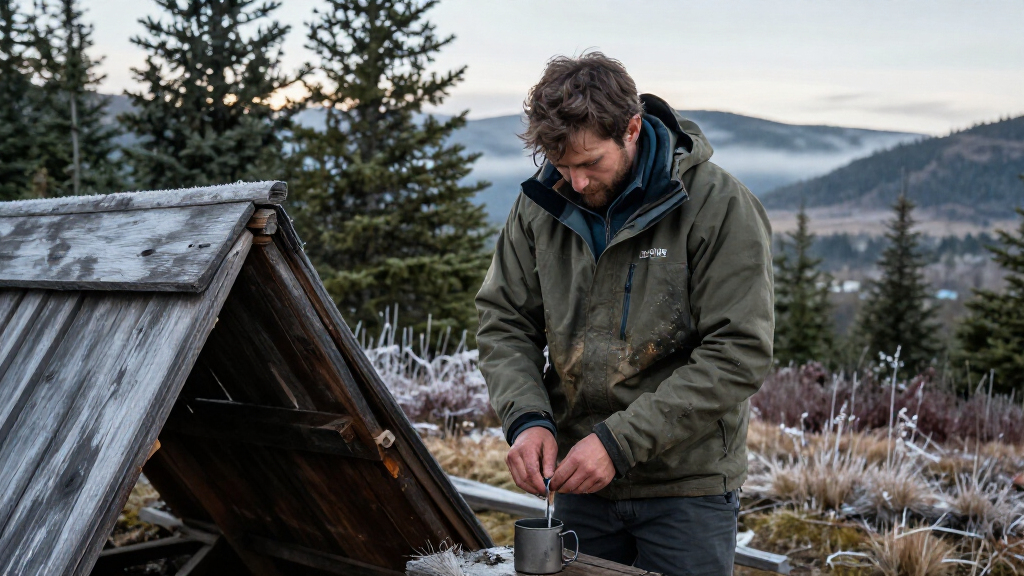
Outdoor Life gear writer Caleb Meighen reported that First Lite’s $350 Uncompahgre Foundry Jacket kept him warm and dry during an elk hunt in Colorado’s rain and snow, then served as a packable layer in Pennsylvania. He praised its weather protection, durability and ventilation, while flagging closely spaced pockets and the risk of water entering hand-warmer pockets if their zippers are left open.
Outdoor Life gear writer Caleb Meighen reported that First Lite’s $350 Uncompahgre Foundry Jacket kept him warm and dry through driving rain, snowfall and shifting temperatures during a Colorado elk hunt. His review also describes how the jacket performed in Pennsylvania and identifies pocket placement as a drawback, giving hunters field observations rather than independent laboratory test results.
Meighen wore the jacket during a first-rifle elk hunt in Colorado’s Uncompahgre National Forest, where he encountered rain, falling temperatures and snow at high elevation. He said the jacket remained durable while he moved through oak brush, deadfall and conifer stands, and that it helped keep him dry while he was staying in a tent. The reviewer’s account is based on his own use; the article does not report controlled waterproofing or insulation tests.
The jacket weighs 2.15 pounds and uses 37.5 Active Particle synthetic insulation, according to the product specifications in the review. Listed features include a windproof and waterproof construction, a three-way adjustable hood with a channel brim, triceps vents, two magnetic dump pockets and two zippered hand-warmer pockets with tricot lining. It is listed in five colors: Conifer, Fusion, Cerca, Walnut and Dry Earth.
After the Colorado trip, Meighen tested it during an October cold front in Pennsylvania. He said he packed the jacket on the walk to his treestand and put it on after climbing in, describing it as warm and relatively quiet when he moved to reach for and draw his bow. He reported using it in conditions from about 20 to 50 degrees, while noting that 50 degrees was near the warm end of its comfortable range for him.
A Field Layer for Changing Weather
The review’s practical takeaway is that the jacket may suit hunters who need one outer layer for variable fall conditions, especially when rain, wind and cold can arrive during the same trip. Meighen said the triceps vents let him release heat without taking off a pack or binocular harness, and that he could compress the jacket and carry it until he needed it. Those details matter for hunters moving between exertion and long stationary periods, such as a walk to a stand followed by hours of waiting.
Its $350 price puts the purchase decision in the context of cost as well as performance. The review offers positive firsthand observations, but it does not establish how the jacket compares with other models, how it performs over extended ownership or whether every wearer will find its warmth and fit suitable. Shoppers should treat the reported comfort and weather protection as one reviewer’s experience, not a guarantee for every hunt or climate.
Popular right now

Dreame G10 Pro Wet and Dry Vacuum Mop

De'Longhi Rivelia Fully Automatic Espresso Machine with Milk Frother, White

KitchenAid 5.5-Qt Bowl-Lift Stand Mixer, Porcelain White (KSM55SXXX)
As an affiliate, we earn on qualifying purchases.
Two Hunts, Two Uses
Meighen’s testing began with a first-rifle elk hunt in Colorado and continued at home in Pennsylvania. In the high country, he described prolonged rain, a shift to snow and difficult conditions for drying clothes while living in a tent. In Pennsylvania, he used the jacket more selectively as a layer carried to a treestand and worn once he was settled. That sequence gives the review examples of both active backcountry use and stationary hunting, though it is not a formal comparison across seasons or multiple users.
The review notes two specific design concerns. The magnetic dump pockets and zippered hand-warmer pockets sit close together on the jacket’s front, and Meighen said he sometimes reached into the wrong one. He also said rain entered a hand-warmer pocket when he had left its zipper open; with the zipper closed, he reported no water intrusion. He suggested moving the hand-warmer pockets closer to the hips, but that is his design preference rather than a manufacturer change.
“It remained durable after hiking through oak brush, deadfall, and large conifer stands, but more importantly, it kept me dry.”
— Caleb Meighen, Outdoor Life reviewer
Limits of the Field Review
The reported results come from one reviewer’s field use; the source does not provide standardized measurements for waterproofing, wind resistance, insulation performance or drying time. It also does not specify the duration of each exposure, the base and midlayers worn, or how the jacket performed after repeated washing and long-term use. Those omissions make direct comparisons with other jackets difficult.
The review does not include a response from First Lite about the pocket layout, the open-zipper water entry or possible design changes. It is also not clear how the jacket’s warmth would translate across different activity levels, body types or weather conditions. The account supports conclusions about Meighen’s experience, not a universal performance claim.
What Buyers Can Check
The review does not announce a product update or a next testing milestone. Hunters considering the jacket can compare its price, weight and listed features with their own layering needs, and inspect whether the pocket layout works with the gear they carry. Because Meighen said an open hand-warmer zipper allowed rain into the pocket, checking that those zippers are closed in wet weather is a practical step drawn from his account.
Further information that could clarify the jacket’s performance would include longer-term use, testing by additional wearers and direct comparisons under consistent conditions. Until then, the published review remains a field report based on a Colorado elk hunt and subsequent Pennsylvania use, with the reviewer’s stated strengths and drawbacks.
Key Questions
What did the reviewer report about the jacket’s weather protection?
Meighen said it kept him dry and warm during rain, snowfall and changing temperatures on his Colorado elk hunt. The review describes field use and does not include laboratory test results.
How much does the Uncompahgre Foundry Jacket weigh and cost?
The review lists a weight of 2.15 pounds and a price of $350.
What was the main drawback identified in the review?
Meighen found the dump pockets and hand-warmer pockets too close together, saying he sometimes reached into the wrong pocket. He also reported water entering a hand-warmer pocket when its zipper was open during rain.
What temperature range did the reviewer report?
He said he wore it in conditions from about 20 to 50 degrees, with 50 degrees near the point where it felt too warm. The article does not specify a standardized test or guarantee that range for other users.
Source: outdoorlife.com