During wildlife migration season, you can use technology like GPS collars, satellite imagery, and drone surveillance to track animal movements and stay safe. These tools provide real-time updates on migration routes and timing, helping you avoid disturbance and observe animals responsibly. Apps and online platforms also alert you to active migration zones, so you can enjoy wildlife safely and support conservation efforts. Keep exploring to discover how advanced tech protects these incredible journeys.
Key Takeaways
- GPS collars and satellite tracking provide real-time data on animal migration routes and timing.
- Drone surveillance helps monitor migration patterns and identify key corridors and stopover sites.
- Mobile apps and online platforms offer live updates, alerts, and safety information for outdoor enthusiasts.
- Conservation technologies assist in protecting critical habitats and adapting land use to changing migration routes.
- Public engagement tools promote responsible wildlife observation and awareness during migration seasons.

Have you ever wondered why countless animals suddenly start moving across vast landscapes each year? It’s a remarkable natural phenomenon known as migration, and it plays an essential role in the survival of many species. As seasons change, animals such as birds, whales, and mammals undertake long journeys to find food, breed, or escape harsh weather conditions. In recent years, conservation efforts have become increasingly focused on protecting these migratory routes, especially as climate impact disrupts traditional patterns. Rising temperatures, altered rainfall, and shifting ecosystems threaten to throw off the timing and success of these migrations, making it harder for animals to find food and suitable breeding grounds. That’s where technology steps in, providing critical tools to track these movements and help both animals and humans adapt to a changing climate.
Using advanced GPS collars, drone surveillance, and satellite imagery, researchers can monitor migration routes in real-time. These devices allow scientists to gather detailed data on animal movements, enabling them to identify essential corridors and stopover sites that need protection. With this information, conservationists can implement targeted measures, such as creating wildlife corridors or adjusting land use policies, to reduce human interference and habitat loss. Tracking migration patterns also helps predict how climate impact might alter traditional routes, giving us a chance to plan ahead and develop effective strategies to guarantee these species continue to thrive.
Advanced tracking tech helps protect migration routes and adapt conservation efforts amid climate change.
For travelers and outdoor enthusiasts, tech tools like apps and online tracking platforms have made it easier to stay safe during migration seasons. Many wildlife organizations now provide live updates on animal movements, alerting hikers, birdwatchers, and boaters to areas where animals are active. This not only enhances safety but also allows you to observe these majestic journeys responsibly, minimizing disturbance to the animals. Furthermore, understanding migration patterns through technology fosters a deeper appreciation of nature’s resilience and the importance of ongoing conservation efforts. It reminds us that our actions—such as reducing carbon footprints or supporting habitat preservation—can have a direct impact on the success of migration seasons.
In essence, technology is transforming how we understand and coexist with migrating wildlife. As climate impact continues to challenge natural behaviors, these tools become indispensable in safeguarding animal populations and maintaining ecological balance. By staying informed and supporting conservation initiatives, you can contribute to ensuring that these incredible migrations continue for generations to come. It’s a collective effort that benefits not just the animals, but the health of our planet as a whole.
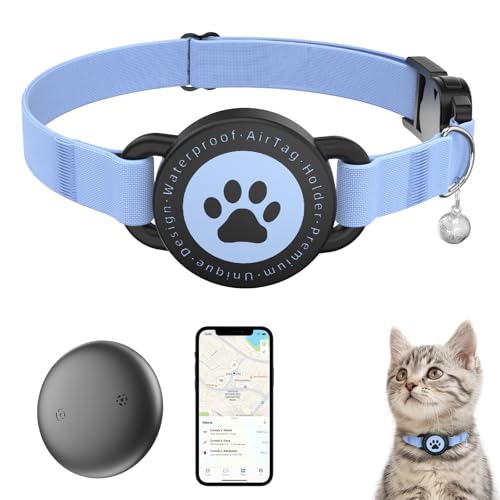
Cat GPS Tracking Collar (iOS & Android), Mini Bluetooth GPS Dog Tracker
No Monthly Fee & Dual System Compatibility: GPS Pet Tracker has no monthly or subscription fees! Fully compatible…
As an affiliate, we earn on qualifying purchases.
As an affiliate, we earn on qualifying purchases.
Frequently Asked Questions
How Accurate Are GPS Trackers for Wildlife Migration?
GPS trackers for wildlife migration are quite accurate, often within a few meters, thanks to satellite accuracy. However, tracking limitations can occur in dense forests or deep valleys, where signals may be blocked or weakened. You should know that environmental factors and device quality impact precision. While generally reliable, occasional signal loss or inaccuracies can happen, so it is crucial to interpret data carefully and consider these limitations during migration studies.
What Are the Ethical Concerns With Tracking Animals?
You might think tracking animals is harmless, but ethical concerns arise around animal welfare and data ownership. While tracking helps protect species, it can cause stress or disrupt natural behaviors if not done responsibly. Plus, questions about who owns and controls the data—researchers or corporations—pose serious privacy and ethical issues. Balancing conservation benefits with respecting animals’ well-being guarantees technology supports both wildlife and ethical standards.
Can Technology Predict Migration Patterns in Real-Time?
Yes, technology can predict migration patterns in real-time using migration algorithms and data integration. You can access live updates by analyzing GPS, weather, and environmental data, which tech systems combine to forecast animal movements accurately. This helps you stay safe and informed during migration seasons. By leveraging these advanced tools, you’ll better understand migration trends, anticipate animal routes, and adjust your plans accordingly, ensuring safety and conservation efforts.
How Do Weather Changes Affect Animal Migration Tracking?
Weather changes can considerably impact animal migration tracking by introducing climate impacts and seasonal variations that alter migration timing and routes. You might notice tracking data becoming less predictable during sudden weather shifts, making it harder to follow animals accurately. These fluctuations challenge tracking technology, requiring you to adjust your methods. Staying aware of seasonal variations helps you interpret data better and ensures your tracking efforts remain effective despite changing weather conditions.
Are There Privacy Issues Related to Tracking Wildlife?
Yes, there are privacy concerns related to tracking wildlife. While tracking aims to protect animals, the data collected can sometimes be misused or compromised. You should prioritize data security measures to prevent unauthorized access. It is crucial to guarantee that tracking technology respects conservation laws and ethical standards, safeguarding both the animals’ privacy and the integrity of the research. Being aware of these issues helps you use tracking tools responsibly.

picache Trail Camera, Wildlife Monitoring Device,0.1s Trigger No-Glow IR Night Vision IP66 Hunting Essentials with 32GB Memory Card
Convenient Connection + Free Memory Card: Our trail cameras support networks. With built-in technology, the trail camera can…
As an affiliate, we earn on qualifying purchases.
As an affiliate, we earn on qualifying purchases.
Conclusion
As you plunge into wildlife migration season, remember that with the latest tech, you’re practically riding alongside the animals on their epic journeys. You’ll be able to track them with the precision of a hawk’s eye and stay safer than ever—like having a personal animal GPS guide! So gear up and get ready to witness nature’s greatest spectacle, feeling like you’re part of an incredible adventure that’s bigger than anything you’ve ever imagined.

Police Drone & Pilot Detection Kit– Handheld Drone Detection & Tracking Tool | Real-Time Alerts for Law Enforcement, Event Security & Emergency Response | Portable Airspace Awareness Device
✅ Real-Time RI Drone Detection: Instantly detects drones using remote ID radio frequency (RI) signals – even when…
As an affiliate, we earn on qualifying purchases.
As an affiliate, we earn on qualifying purchases.

Fahlo Tracking Plush | 12" Plush Toy with Interactive 3D Tracking Map | Supports Wildlife Conservation | Eco-Friendly Ages | (Polar Bear)
TRACK A REAL ANIMAL’S JOURNEY – Follow a real animal’s migration on an interactive 3D map using the…
As an affiliate, we earn on qualifying purchases.
As an affiliate, we earn on qualifying purchases.