
TL;DR

Get emergency and outdoor gear delivered free — and shop member deals
- Fast, free delivery on millions of items
- Access to Prime Big Deal Days deals on October 6–7
- Prime Video, Amazon Music and more included
Some popular garden plants, especially conifers and Mediterranean herbs like lavender, are highly flammable and can increase fire risk in American drought-prone regions. Experts recommend choosing fire-resistant plants and proper landscaping to improve safety.
Experts warn that certain plants commonly used in American gardens, such as conifers and Mediterranean herbs like lavender, are highly flammable and can significantly increase wildfire risk, especially in drought-prone areas. This development highlights the importance of plant selection and landscape design in wildfire safety efforts.
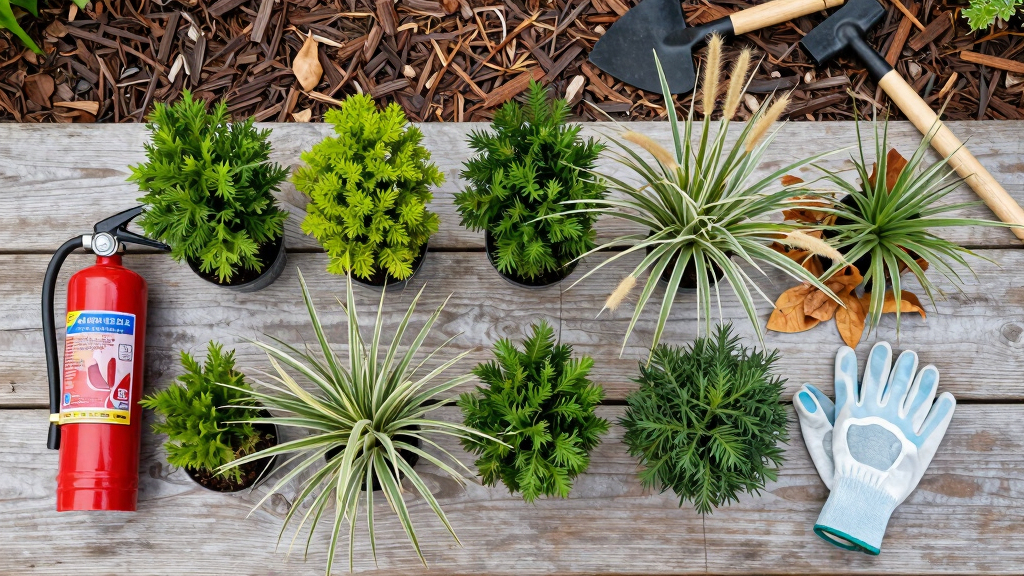
According to landscape professionals, plants with woody structures, volatile oils, and low moisture content—such as Italian Cypress, pines, spruces, and lavender—are particularly flammable. Italian Cypress, often used for vertical accents, is highly flammable due to its resinous foliage and dense branches, creating a chimney effect that can rapidly spread fire. Conifers like pines and spruces also contain high amounts of flammable resin and dead material, making them risky near homes.
In contrast, plants with high moisture content, such as deciduous trees like maples, willows, and fruit trees, are safer options. Native plants with leathery leaves and low resin levels, like Toyon and Lemonade Berry, are recommended as fire-resistant alternatives. Experts emphasize that no plant is entirely fireproof but adopting fire-resistant landscaping strategies can reduce risk.
Why Fire-Resistant Plant Choices Matter for Home Safety
This information is vital for homeowners in drought-prone and wildfire-risk areas, where plant choices can directly influence the speed and severity of fires. Making informed plant selections and designing landscapes with fire safety in mind can protect property and lives, especially as wildfire seasons intensify due to climate change.
As an affiliate, we earn on qualifying purchases.
Growing Awareness of Fire-Resistant Landscaping Strategies
Wildfire risk in the U.S. has increased over recent years, prompting experts and homeowners to reconsider traditional landscaping practices. While trees like pines and spruces have historically been popular for privacy, their flammability has led to a push for native, moisture-rich, and deciduous plants. The practice of firescaping—designing landscapes to resist fire—has gained prominence, emphasizing the importance of plant selection, maintenance, and layout.
“Plants with woody structures, volatile oils, and low moisture content are highly flammable, increasing wildfire risk.”
— Brooke Addison, landscape designer
native drought-tolerant landscaping plants
As an affiliate, we earn on qualifying purchases.
As an affiliate, we earn on qualifying purchases.
Uncertainties About Plant Flammability and Regional Variations
While general guidelines exist, the specific flammability of individual plants can vary based on local conditions, plant health, and maintenance. It is still unclear how regional differences influence fire risk for certain species, and ongoing research aims to refine these recommendations.
As an affiliate, we earn on qualifying purchases.
Next Steps for Homeowners and Landscape Professionals
Experts recommend that homeowners consult local fire safety guidelines and consider native, moisture-rich plants for landscaping. Further research and regional assessments are expected to provide more tailored recommendations, and increased awareness campaigns are likely to promote fire-resistant landscaping practices nationwide.
As an affiliate, we earn on qualifying purchases.
Key Questions
Which common garden plants should I avoid in fire-prone areas?
Conifers such as pines, spruces, and Italian Cypress, as well as Mediterranean herbs like lavender, are highly flammable and should be avoided near structures in fire-risk zones.
What are safer alternatives for fire-prone gardens?
Deciduous trees like maples, willows, and native shrubs such as Toyon and Lemonade Berry, which have high moisture content and low resin levels, are safer choices.
Can I make my existing garden safer without removing all plants?
Yes. Implementing firescaping practices such as removing dead material, increasing clearance around structures, and choosing fire-resistant plants can reduce overall risk.
Are native plants always safer in fire-prone areas?
Generally, native plants are better adapted to local conditions and tend to be less flammable, but individual species should still be evaluated for their fire risk.
Climate change has led to hotter, drier conditions, increasing wildfire frequency and severity, which heightens the importance of fire-resistant landscaping.
Source: Homes & Gardens
Fall Picks
fall essentials
As an affiliate, we earn on qualifying purchases.