Cold temperatures force you to adjust how you manage batteries, shelter, and sleep. You need to keep batteries warm by storing them close to your body or inside insulated containers, as freezing drains their charge quickly. Your shelter must trap heat using insulating materials or natural features, while ensuring good ventilation to prevent moisture buildup. For sleep, choose insulated bedding and keep your clothing dry to stay warm and conserve energy. Want to know more about mastering these cold-weather strategies?
Key Takeaways
- Cold temperatures cause batteries to lose charge faster, requiring insulation and proximity to body heat to maintain functionality.
- Insulating shelters with materials like foam or snow helps retain heat and protects against wind and moisture.
- Using appropriate sleeping gear, such as low-temperature-rated sleeping bags and insulating pads, is essential for warmth and safety.
- Keeping batteries, clothing, and bedding dry prevents additional heat loss and maintains overall warmth.
- Proper shelter and sleep strategies conserve energy, prevent hypothermia, and support survival in freezing conditions.
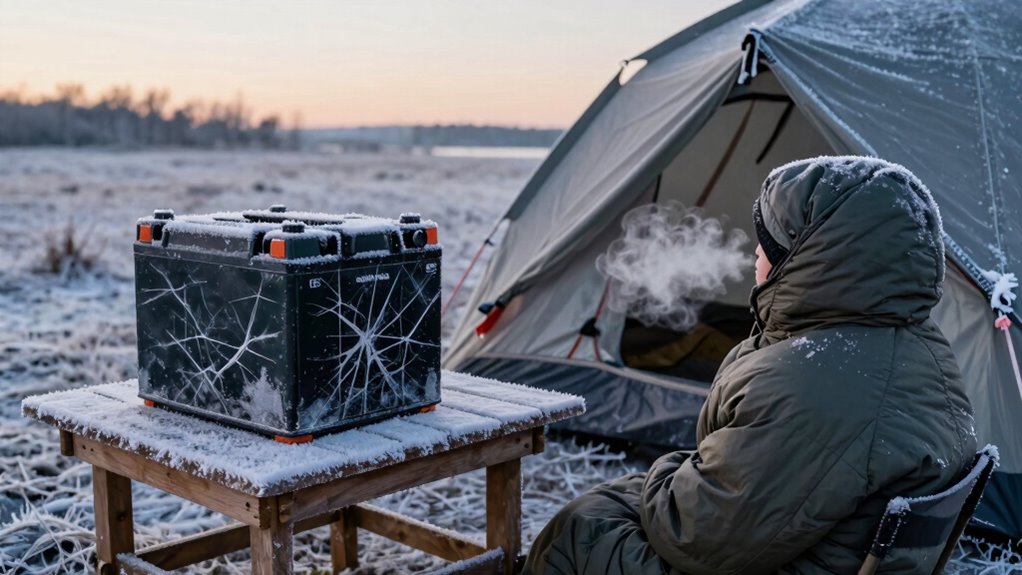
When temperatures drop, your decisions about batteries, shelter, and sleep shift considerably, often requiring quick adjustments to stay safe and comfortable. Cold weather profoundly impacts how your gear functions and how you should plan for survival. Temperature effects are especially noticeable with batteries, which lose their charge rapidly in freezing conditions. Lithium-ion batteries tend to perform better than traditional alkaline types, but even they can struggle below freezing. You need to keep batteries warm by storing them close to your body or in insulated containers, guaranteeing they don’t drain quickly when you need them most. Ignoring these temperature effects can leave you powerless at critical moments, making emergency preparedness all the more crucial. You should always carry extra batteries and keep them in your clothing to maintain their warmth and functionality. Additionally, understanding thermal insulation can help you select better shelter options to retain heat more effectively. Proper insulation can significantly extend your ability to stay warm and safe in harsh conditions. Knowing how different materials affect heat retention can guide your choices for improvised shelters or insulating layers.
Shelter choices also change when the cold sets in. You realize that a basic shelter might not suffice against freezing temperatures, so you seek out or build structures that provide adequate insulation. Materials like foam, thick blankets, or even snow walls can act as insulators, trapping your body heat and preventing rapid heat loss. Ventilation remains important, but you must balance it with insulation to avoid moisture buildup, which can make conditions even colder. You may also consider using natural features like caves or snow caves, which offer better cold-weather protection due to their insulating properties. When selecting a shelter, you’re mindful of how temperature effects influence your comfort and safety. It’s essential to prioritize protection from wind and moisture, as these factors amplify the cold and increase risk of hypothermia. Emergency preparedness in winter extends beyond just having a shelter; it involves understanding how the environment affects heat retention and adjusting your setup accordingly. Being aware of local climate conditions can help you better prepare for specific cold-weather challenges. Recognizing the importance of heat retention can make a significant difference in your winter survival strategy.
Sleep decisions also change in frigid conditions. When it’s cold, you realize that your usual sleeping arrangements might leave you vulnerable to hypothermia. You opt for sleeping bags rated for low temperatures, or you layer blankets to maximize insulation. You understand that proper sleep isn’t just about comfort but about maintaining core body temperature, which is critical for survival. You also pay attention to your sleeping surface, adding a foam pad or other insulating layer underneath to prevent heat loss through the ground. Staying dry becomes a priority, as damp clothing or bedding can drastically lower your body temperature. In emergency situations, you learn that sleep isn’t just a restful activity but a necessary one to conserve energy and keep your body functioning at its best during cold exposure. Proper sleep system setup and dry clothing are essential to prevent heat loss and maintain strength in winter conditions. Adjusting your sleep setup to counteract temperature effects ensures you wake up ready to face the challenges of winter survival.
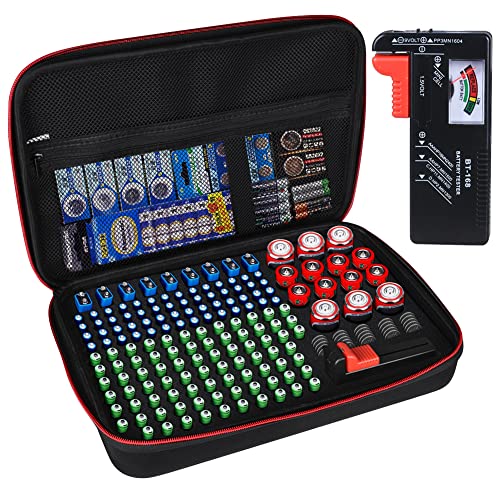
Battery Organizer Storage Box with Tester, Battery Vault Case Fireproof Waterproof Explosionproof Holder Box with Tester BT-168 Checker Carrying Case Container Bag Fit for 200+ Batteries AA AAA C D 9V
- Fireproof and Waterproof Material: Made of silicone coated fiberglass for safety
- High Temperature Resistance: Withstands temperatures up to 2000°F
- Explosion-Resistant Design: Minimizes hazards from battery explosions
As an affiliate, we earn on qualifying purchases.
As an affiliate, we earn on qualifying purchases.
Frequently Asked Questions
How Does Cold Weather Affect Battery Lifespan Long-Term?
Cold weather shortens your battery’s lifespan over time because it accelerates battery degradation, reducing capacity and efficiency. Batteries become less resilient in low temperatures, making them more prone to damage. To maintain cold resilience, you should keep your batteries warm and avoid exposing them to extreme cold for long periods. Proper insulation and regular maintenance can help extend their long-term lifespan, ensuring they perform well despite the cold conditions.
What Materials Are Best for Insulating Shelters in Extreme Cold?
You should use insulation types like foam boards, spray foam, or reflective foils for extreme cold shelters. These materials trap heat effectively, preventing warmth from escaping. Shelter materials such as thick blankets, layered tarps, or insulated panels also provide excellent protection. Imagine wrapping yourself in a warm cocoon—these insulation choices create that feeling, ensuring your shelter keeps in heat and keeps you warm despite freezing temperatures.
How Should Sleep Gear Be Adjusted for Cold Environments?
You should make sleep system adjustments by adding extra insulation, like a sleeping pad or an insulated sleeping bag liner. Use clothing layering techniques, such as wearing moisture-wicking base layers, insulating mid-layers, and a windproof outer layer. Make certain your head, hands, and feet stay warm with hats, gloves, and thermal socks. These adjustments help retain body heat, prevent heat loss, and keep you comfortable through cold nights.
Can Cold Temperatures Cause Sleep Disturbances or Health Issues?
Cold temperatures hit you like a rough wave, causing sleep disruption and increasing your risk of cold-related illnesses. You might find it hard to fall asleep or stay asleep, which further weakens your immune system. Prolonged exposure can lead to hypothermia or frostbite if you’re not careful. To stay safe, prioritize warm clothing, proper shelter, and sleep gear. Staying warm guarantees health issues and ensures restful sleep.
What Are the Signs of Hypothermia During Cold Shelter Stays?
During cold shelter stays, you might notice signs of hypothermia like persistent shivering, which indicates your body is trying to generate heat. Confusion symptoms, such as difficulty concentrating or feeling disoriented, also appear as hypothermia worsens. You may feel extremely tired or numb, and your skin could become pale or bluish. If you observe these signs, it’s essential to warm up and seek help immediately to prevent serious health risks.
As an affiliate, we earn on qualifying purchases.
Conclusion
Just like a thermometer measures the chill, understanding how cold affects your battery, shelter, and sleep choices keeps you prepared. When temperatures drop, your decisions become more vital—each one a thread in your survival tapestry. Stay alert and adapt quickly, because neglecting these shifts is like sailing into a storm without a compass. Embrace the challenge, and you’ll find that even in the coldest moments, your resilience can shine brighter than ever.
snow shelter insulation materials
As an affiliate, we earn on qualifying purchases.
As an affiliate, we earn on qualifying purchases.
As an affiliate, we earn on qualifying purchases.