TL;DR

Get emergency and outdoor gear delivered free with Prime
- Fast, free delivery on millions of items
- Prime Video, Amazon Music and more included
- Member-only deals all year
A new set of 3-minute military-inspired drills helps individuals test their survival readiness for SHTF scenarios. These quick assessments reveal gaps in preparedness, emphasizing practical skills over gear.
Recent survival training advice emphasizes that a three-minute drill can reveal critical weaknesses in personal preparedness for SHTF scenarios. These drills, inspired by military observation and scout techniques, are designed to be quick, practical tests that anyone can perform at home to assess their readiness.
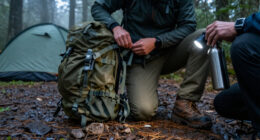
The drills include a blackout test, a Kim’s Game observation exercise, a cold water dexterity challenge, a three-minute pack organization, and a quick evacuation simulation. Each takes three minutes or less and targets specific skills such as locating essential gear in darkness, memorizing objects under stress, performing fine motor tasks in cold conditions, organizing a bug-out bag rapidly, and evaluating physical readiness for evacuation.
Experts from survival and military training backgrounds recommend these exercises because they highlight real-world weaknesses often overlooked in traditional prep routines. For example, many individuals fail to locate critical items in darkness or struggle with fine motor tasks when cold, revealing gaps that could be fatal in actual emergencies.
Why These Quick Drills Are Critical for Survival Preparedness
These drills matter because they shift the focus from merely accumulating gear to testing real-world skills and mental readiness. By identifying weaknesses early, individuals can improve their response times, adapt their training, and ultimately increase their chances of survival during a true SHTF event. The emphasis on practical, time-limited exercises makes preparedness more accessible and actionable for everyone.
Popular right now

Roborock Robot Vacuum and Mop Combo with Self-Empty Dock

KitchenAid 5.5-Qt Bowl-Lift Stand Mixer, Porcelain White (KSM55SXXX)

Dyson V8 Cyclone Cordless Vacuum
As an affiliate, we earn on qualifying purchases.
Origins and Practical Use of the 3-Minute Survival Drills
These drills originate from military observation training, Marine Corps doctrine, and scout scouting techniques, which prioritize quick assessments of situational awareness and physical readiness. The concept gained popularity among survival enthusiasts as a way to regularly test personal preparedness without extensive time investment. Historically, such drills have been used to train soldiers and scouts to maintain composure and efficiency under stress, making them highly relevant for civilian preppers today.
“These three-minute drills cut through the fluff and get straight to what really matters — can you find your gear in the dark or perform essential tasks when cold? That’s what separates the prepared from the vulnerable.”
— Expert Survival Trainer
Unverified Claims About Drill Effectiveness and Adoption
While the drills are widely promoted within survival circles, there is limited scientific or official military validation of their effectiveness. It is unclear how universally these tests are adopted or how accurately they predict real-world survival outcomes. Additionally, individual results may vary based on experience, physical condition, and environment, making it difficult to standardize their usefulness.
Next Steps for Incorporating These Drills into Survival Training
Survivors and preppers are encouraged to incorporate these drills into regular practice routines, ideally monthly, to track progress and identify persistent weaknesses. Experts suggest documenting results and adjusting training accordingly. Further, organizations may develop official training modules based on these exercises to standardize and validate their effectiveness in broader preparedness programs.
Key Questions
Can these drills replace comprehensive survival training?
No, these drills are designed to supplement broader training. They are quick assessments to identify immediate weaknesses but do not cover all aspects of survival skills.
How often should I perform these drills?
Most experts recommend performing them at least once a month to track improvements and maintain readiness.
What if I fail some of these drills?
Failing indicates areas for improvement. Use the results to focus your training on those specific skills, such as darkness navigation or cold weather tasks.
Are these drills suitable for beginners?
Yes, they are designed to be accessible for all skill levels, providing a straightforward way to evaluate and improve personal preparedness.
What equipment do I need to start practicing?
Minimal equipment is required: a flashlight, water container, some small objects for observation, and a safe space for physical tasks. The drills are meant to be simple and practical.
Source: Ask a Prepper