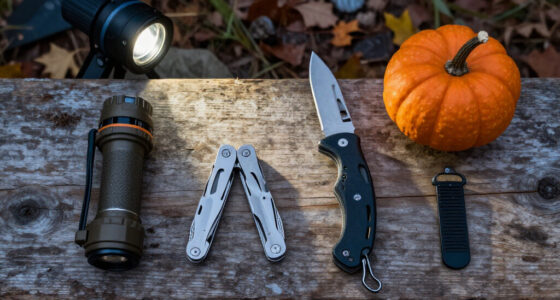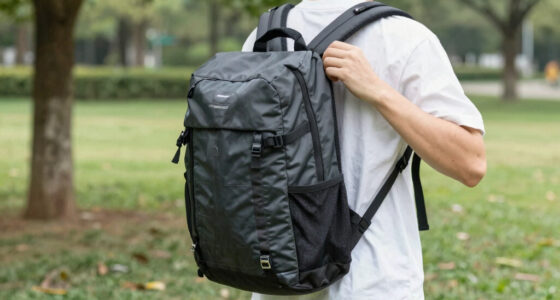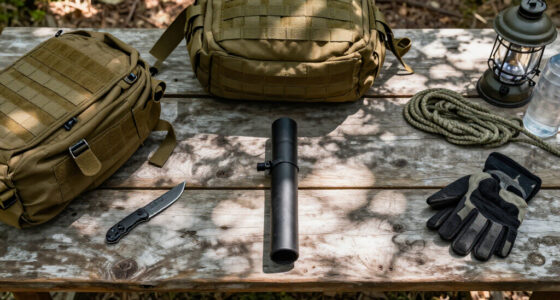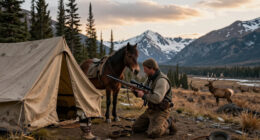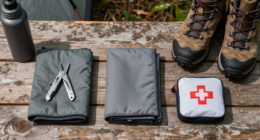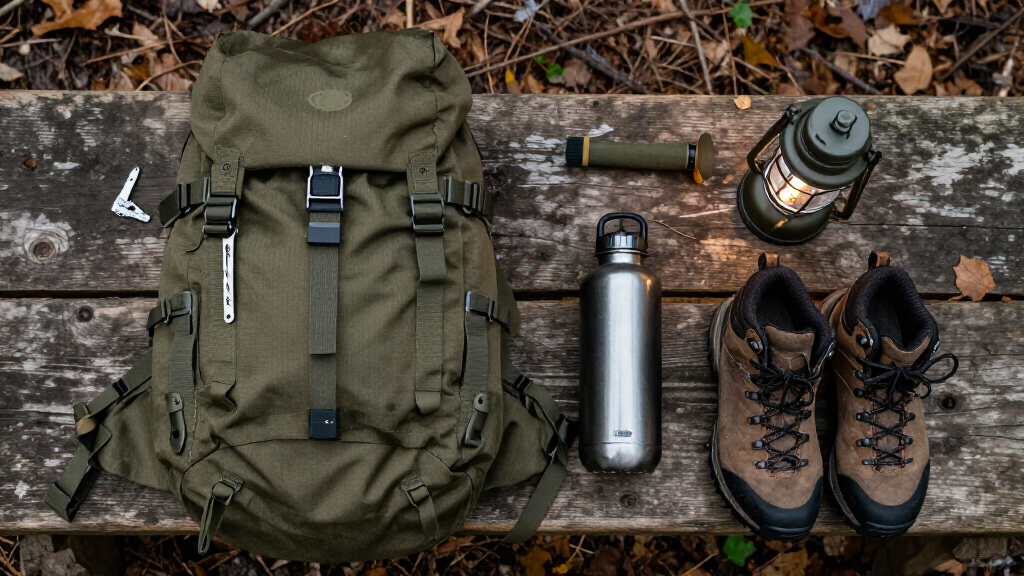

Assembling a survival gear kit prepares you for emergencies such as natural disasters, outdoor accidents, or unexpected disruptions. This guide provides detailed steps to build a well-rounded kit that offers essential tools, supplies, and safety items. Perfect for outdoor enthusiasts, hikers, or anyone wanting to be ready for unforeseen events, this process takes approximately 2 to 3 hours to complete. You will learn what items to include, how to organize your kit, and how to verify its readiness.

Get emergency and outdoor gear delivered free with Prime
- Fast, free delivery on millions of items
- Prime Video, Amazon Music and more included
- Member-only deals all year

Survival Kit, 262-Piece Emergency Gear with First Aid, Tent, Axe, Shovel, and Carrying Bag
- ✔ Number of Pieces: 262
- ✔ Included Items: First aid kit, tent, axe, shovel, multi-use spoon, fire starter, flashlight, glow sticks, water container, rope, compass, emergency blanket
- ✔ Material: Sturdy carbon steel

250-Piece Survival Gear First Aid Kit with Molle System Compatible Bag and Emergency Tent
- ✔ Number of Items: 250
- ✔ Bag Material: Water-resistant 1000D nylon
- ✔ Bag Dimensions: 8” x 6.5” x 6”

17-in-1 Survival Kit with Waterproof Case – Emergency Gear for Outdoor Adventures and Gifts
- ✔ Number of items: 17
- ✔ Case dimensions: 7.3 x 4.3 x 2 inches
- ✔ Material: Robust, durable materials
Difficulty: Intermediate | Time: 2-3 hours
What You’ll Need
Tools & Materials:
- Sturdy backpack or container for the kit
- Basic first aid supplies (bandages, antiseptics)
- Scissors or multi-tool
- Pen and notebook for inventory
Knowledge:
- Understanding of basic first aid
- Knowledge of common survival scenarios
- Familiarity with outdoor safety principles
Gather all items before starting. Check local regulations for prohibited items in certain areas. Budget enough time to sort and verify contents thoroughly.
Survival Kit, 262-Piece Emergency Gear with First Aid, Tent, Axe, Shovel, and Carrying Bag
<p>This <strong>comprehensive 262-piece survival kit</strong> stands out for its extensive range of tools and supplies, making it ideal for those who want to be fully prepared for a wide variety of emergencies. It includes essential first aid items, durable tools like a 17-inch axe and shovel, and a sturdy carrying bag for easy access and transport. Compared with smaller kits, this set offers more peace of mind in critical situations, but its size and weight may be a drawback for users needing a lightweight, portable option. The tools are made of carbon steel, which requires some maintenance to prevent rust, but the overall durability and variety make it a top choice for serious prepper or outdoor enthusiasts.</p>
Pros:
- Extensive set with 262 survival items
- Durable tools made of sturdy carbon steel
- Includes essential first aid and lighting
- Convenient crossbody bag with multiple compartments
Cons:
- Large number of items may be overwhelming
- Tools require maintenance to prevent rust
- Size and weight limit portability for some users
Best for: Preparedness for natural disasters, long-term outdoor survival, and camping
Not ideal for: Casual users or those seeking a lightweight, compact kit for occasional use
Bottom line: Ideal for those seeking maximum preparedness, though at the expense of portability.
“Ideal for those seeking maximum preparedness, though at the expense of portability.”
250-Piece Survival Gear First Aid Kit with Molle System Compatible Bag and Emergency Tent
<p>This <strong>250-piece survival kit</strong> offers a balanced mix of tools, first aid supplies, and emergency gear, making it well-suited for outdoor adventurers and preppers alike. Its <strong>water-resistant Molle-compatible bag</strong> enables easy attachment to backpacks or gear, increasing convenience in the field. The kit includes a foldable shovel, axe, emergency tent, and more, providing flexibility across different scenarios. Compared with the larger, more comprehensive kits, this set is more manageable in size but still delivers enough tools for most outdoor emergencies. The variety can be overwhelming for casual users unfamiliar with survival gear, and some items might require user familiarity for effective use.</p>
Pros:
- Comprehensive 250-piece set with essential tools
- Durable, water-resistant Molle-compatible bag
- Includes versatile gear like tent, axe, and first aid supplies
- Designed for outdoor adventures and emergencies
Cons:
- Contains many items that may be overwhelming
- Some tools may need familiarity to use effectively
- Price details are not specified, which could impact value perception
Best for: Outdoor enthusiasts, campers, and preppers looking for a versatile, durable kit
Not ideal for: Those preferring ultra-lightweight options or minimal gear
Bottom line: A well-rounded kit balancing durability, versatility, and size for outdoor preparedness.
“A well-rounded kit balancing durability, versatility, and size for outdoor preparedness.”
17-in-1 Survival Kit with Waterproof Case – Emergency Gear for Outdoor Adventures and Gifts
<p>This <strong>17-in-1 survival kit</strong> is designed for those who prioritize portability and quick access. Housed in a durable waterproof case, it includes high-quality tools like a tactical pen, compass, flashlight, and fire starter, making it suitable for outdoor travelers, hikers, or as a thoughtful gift. Compared to larger kits, it offers fewer tools but excels in ease of carrying and quick deployment. The flashlight requires batteries (not included), and some of the tools may be too basic for advanced survival needs, but its compact size makes it perfect for those who want essential gear without bulk.</p>
Pros:
- High-quality, durable materials
- Compact and lightweight for portability
- Waterproof case protects tools in any environment
- Includes essential survival tools like a tactical pen and compass
Cons:
- Limited number of tools (17 total)
- Flashlight requires batteries (not included)
- Basic tools may not suffice for advanced survival situations
Best for: Travelers, outdoor enthusiasts, and as a gift for adventurers
Not ideal for: Preppers needing extensive gear or those in extreme survival scenarios
Bottom line: Perfect for portability and quick access, ideal for travelers and as a gift, but less suitable for extensive preparedness.
“Perfect for portability and quick access, ideal for travelers and as a gift, but less suitable for extensive preparedness.”
As an Amazon Associate we earn from qualifying purchases.
Before You Start
Ensure your chosen container is clean and dry. Consider your typical environment—urban, rural, or wilderness—and customize your kit accordingly. Keep in mind that a well-organized kit is easier to access quickly during an emergency. Avoid overpacking; focus on essential items that serve multiple purposes.
Step-by-Step Instructions
Step 1: Select a suitable container for your survival kit
Choose a sturdy, waterproof, and lightweight backpack or hard container with secure closures. Ensure it is large enough to hold all necessary items but compact enough for easy carrying. Consider compartments or pockets for better organization.
Tip:Opt for a container with a comfortable handle or straps. A waterproof container prevents moisture damage to your supplies.
Check: Verify that the container closes securely, is portable, and can withstand rough handling without breaking or leaking.
Step 2: Gather essential survival tools and supplies
Collect items including a multi-tool or knife, flashlight with extra batteries, fire-starting devices (waterproof matches, lighter), and a compact first aid kit. Add a whistle, signaling mirror, and a small mirror for rescue signals.
Tip:Choose durable, high-quality tools to ensure reliability. Items should be lightweight and versatile.
Check: Ensure each tool is functional, batteries are fresh, and supplies are complete and in good condition.
Step 3: Include shelter and warmth items
Add a compact emergency blanket, a lightweight tarp, and a set of warm clothing or layered clothing (hat, gloves, thermal underwear). Consider a bivvy bag or sleeping bag if space allows.
Tip:Prioritize lightweight, insulating, and multi-use items that can serve multiple purposes.
Check: Items should be clean, undamaged, and suitable for the expected climate conditions.
Step 4: Pack food and water supplies
Include at least 72 hours’ worth of non-perishable food such as energy bars, trail mix, or freeze-dried meals. Add a portable water filter or purification tablets, and a collapsible water bottle.
Tip:Choose lightweight, calorie-dense foods with long shelf lives. Ensure water purification methods are effective and easy to use.
Check: Verify that food supplies are sealed and within expiration dates; water purification tools are functional.
Include a compass, a detailed local map, and a fully charged mobile phone with a portable charger or power bank. Consider a personal locator beacon (PLB) or satellite messenger for extended outdoor trips.
Tip:Test electronic devices before packing. Keep communication devices protected from moisture.
Check: Ensure devices are operational, batteries are charged, and maps cover your area of activity.
Step 6: Organize and pack your kit
Arrange smaller items in compartments or resealable bags to prevent clutter. Place heavier items at the bottom or close to your back for balance. Use the container’s organizational features if available.
Tip:Create an inventory list and label sections for quick access during emergencies.
Check: Check that the kit is compact, well-organized, and all items are easily accessible.
Step 7: Review and verify your survival kit
Inspect each item for damage or expiration. Confirm all tools are functional and supplies are complete. Test electronic devices and refresh batteries if needed.
Tip:Update your kit seasonally or after use to replace used or expired items.
Check: All contents are in place, functional, and the kit is ready for immediate use.
Common Mistakes to Avoid
- Overpacking with unnecessary items — Focus on essential, multi-use tools and supplies to keep the kit lightweight and manageable.
- Using low-quality or damaged tools — Test all tools before packing and replace any that are unreliable or damaged.
- Ignoring environmental needs — Customize your kit for the climate and terrain where you’ll use it, and include appropriate clothing and shelter items.
- Failing to update the kit regularly — Set reminders to review and replace expired or used items every 6-12 months.
Troubleshooting
Problem: Items don’t fit in the container
Solution: Reduce the number of non-essential items or select a larger container designed for survival kits.
Problem: Electronic devices won’t turn on
Solution: Check batteries and charge status before packing. Carry spare batteries or power banks.
Problem: Water filter is clogged or not working
Solution: Clean or replace the filter according to manufacturer instructions, and test it with water before packing.
Problem: First aid supplies are expired or depleted
Solution: Regularly check expiration dates and restock supplies after each use.
What Success Looks Like
The completed survival kit is fully packed, organized, and ready for immediate deployment. All essential items are present, functional, and easily accessible. You can quickly locate tools, food, water, and safety items, and the kit is suitable for your typical environment.
Next Steps
Store your kit in a designated, accessible location. Review and update the contents every six months or after use. Practice using the items in a controlled setting to ensure familiarity. Consider creating a personal emergency plan that integrates your survival kit.
Frequently Asked Questions
How often should I update my survival kit?
Review your kit every six months to replace expired supplies, refresh batteries, and update items based on changing needs or seasons.
What are the most important items to include?
Key items include water purification tools, a multi-tool or knife, a reliable flashlight, first aid supplies, fire-starting devices, and appropriate clothing for the climate.
Can I customize my kit for specific environments?
Yes, tailor your kit to your typical environment by adding items like insect repellent, sunscreen, extra warm clothing, or desert-specific gear as needed.
Halloween Picks
halloween
As an affiliate, we earn on qualifying purchases.