
TL;DR
This article outlines a comprehensive emergency evacuation plan, covering preparation, triggers, routes, and practice drills to ensure safety during crises. It emphasizes the importance of planning ahead to minimize panic and confusion.
Emergency evacuation plans are critical for ensuring family safety during natural disasters or other crises. This article provides a step-by-step guide to creating, practicing, and refining an evacuation plan, highlighting confirmed best practices and expert recommendations.
Experts emphasize the importance of family planning meetings to discuss potential triggers for evacuation, such as rising floodwaters, wildfires, or power outages. Clear decision-making criteria, including specific triggers and designated destinations, are essential for effective response.
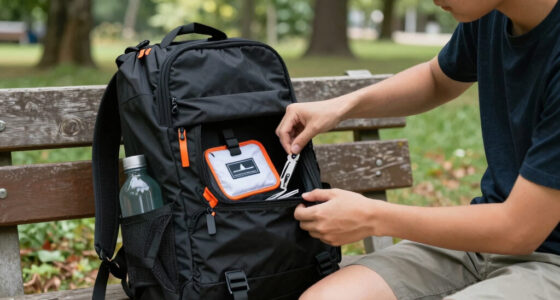
Key components include assembling go-bags with necessary supplies, mapping multiple routes, and establishing communication plans. Regular practice drills are recommended to ensure everyone understands their roles and actions during an emergency.
According to emergency preparedness specialists, involving all family members—including children—helps reduce panic and confusion when evacuation becomes necessary. Additionally, planning for pets and maintaining vehicle readiness are crucial steps for a comprehensive plan.
Why Preparedness Can Save Lives During Disasters
Having a well-developed evacuation plan reduces chaos, delays, and potential injuries during emergencies. It ensures that families can leave quickly and safely, minimizing exposure to hazards and improving chances of survival. This preparedness is especially vital as climate-related disasters become more frequent and severe.
As an affiliate, we earn on qualifying purchases.
Recent Experiences Highlight the Need for Family Evacuation Plans
Recent natural disasters, such as Hurricane Harvey, have demonstrated how rapidly conditions can deteriorate, forcing families to evacuate with little warning. Personal accounts, like that of The Survival Mom, underscore the importance of planning ahead to avoid chaos and ensure safety when disaster strikes.
Experts recommend that families review and practice their plans annually, updating routes, supplies, and contact information based on new circumstances or lessons learned.
“When the floodwaters crept closer, I realized we had to be ready to leave at a moment’s notice. That’s why I developed this five-step evacuation plan.”
— The Survival Mom
As an affiliate, we earn on qualifying purchases.
Unclear Aspects of Evacuation Readiness and Implementation
It is not yet clear how many families regularly practice their evacuation plans or how effectively they implement them during an actual emergency. Additionally, specific triggers for evacuation may vary depending on local conditions and individual circumstances, which can complicate decision-making.
As an affiliate, we earn on qualifying purchases.
Next Steps for Families to Prepare for Emergencies
Families are encouraged to review current emergency plans, assemble or update go-bags, and schedule practice drills at least once a year. Local authorities may also provide updated guidance and resources to assist in planning. Continued public education on evacuation procedures will help improve community resilience during disasters.
As an affiliate, we earn on qualifying purchases.
Key Questions
How often should I practice my evacuation plan?
Experts recommend conducting at least one full evacuation drill annually, involving all family members to simulate real scenarios and identify areas for improvement.
What should be included in a go-bag?
Essential items include water, non-perishable food, first aid kit, clothing, necessary medications, copies of important documents, and supplies for pets if applicable.
How can I ensure my children understand the plan?
Involving children in planning and practice drills, using age-appropriate explanations, and discussing clear roles and signals can help them understand and stay calm during emergencies.
What are common triggers for evacuation?
Triggers include official evacuation orders, rising floodwaters, wildfires, power outages, or hazardous material spills that make staying at home unsafe.
How do I plan for my pets during an evacuation?
Prepare pet carriers, include pet supplies in your go-bag, and identify pet-friendly shelters or accommodations in advance.
Source: The Survival Mom