To prep for medical emergencies in the wilderness, equip yourself with essential tech tools like first aid apps offering step-by-step guidance, visual aids, and checklists to handle injuries confidently. Also, carry emergency communication devices such as satellite phones, Personal Locator Beacons (PLBs), or GPS units with distress signals to alert rescue teams quickly. Combining these tools maximizes your safety and response time. Keep exploring to discover tips that will bolster your preparedness even further.
Key Takeaways
- Use first aid apps with visual guides and checklists to perform accurate emergency procedures in remote areas.
- Equip yourself with satellite phones or PLBs to ensure reliable communication with rescue services.
- Pre-load devices with offline maps, medical info, and emergency contacts for quick access during crises.
- Practice operating emergency tech tools before trips to ensure familiarity and effective use during real emergencies.
- Combining medical guidance apps with communication devices minimizes response time and enhances wilderness safety.

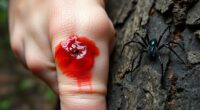
When you’re miles from the nearest medical facility, having the right tech tools can make all the difference in handling a wilderness emergency. In remote areas, quick access to medical guidance is essential, and modern technology offers invaluable solutions. First aid apps are a game-changer, providing step-by-step instructions for common injuries and illnesses right at your fingertips. With these apps, you can quickly identify symptoms, learn how to stop bleeding, splint a fracture, or perform CPR, even if you’re not a medical professional. They often include visual aids, videos, and checklists, which help guarantee you don’t miss critical steps during an emergency. This instant access to reliable medical information can be lifesaving, especially when every second counts.
Having quick access to first aid apps can be lifesaving in remote wilderness emergencies.
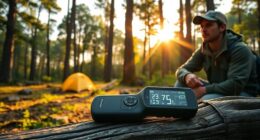
Emergency communication tools are equally indispensable. Traditional cell service might be unavailable in remote wilderness areas, but satellite phones, personal locator beacons (PLBs), and GPS devices ensure you can still communicate during a crisis. A satellite phone connects you to emergency services regardless of cell tower coverage, allowing you to relay your exact location and describe your situation. PLBs send distress signals to rescue agencies with your coordinates, prompting search and rescue teams to locate you quickly. GPS devices with emergency features can also send alerts with your location to pre-set contacts, giving your loved ones peace of mind and enabling faster assistance. These tools are essential for coordinating rescue efforts and requesting help when you’re most vulnerable.
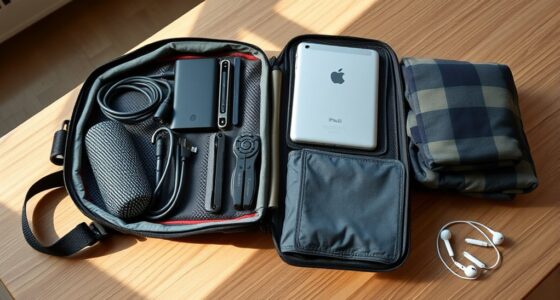
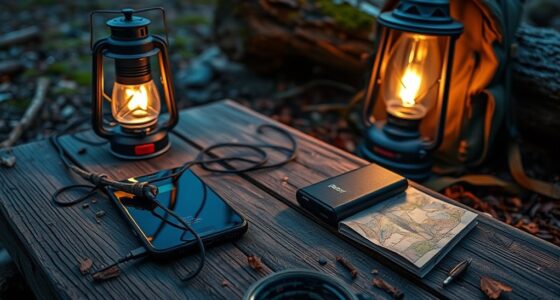
Combining first aid apps with emergency communication devices creates a thorough safety network. For instance, if you encounter a severe injury, you can immediately consult a first aid app for instructions while simultaneously using your satellite device or PLB to alert rescue services. This dual approach minimizes response times and maximizes your chances of getting the right help quickly. It’s essential to pre-load your devices with offline maps, emergency contacts, and relevant medical information before heading into the wilderness. Additionally, practicing how to operate these tools ensures you’re prepared to act swiftly when needed.
In essence, technology bridges the gap when traditional medical help isn’t nearby. First aid apps empower you with knowledge, guiding you through critical procedures, while emergency communication devices ensure that help is just a signal away. When you’re venturing into remote wilderness, investing in these tools isn’t just smart—it’s necessary for your safety and peace of mind. Proper preparation means you’re better equipped to handle medical emergencies confidently, no matter how isolated your adventure might be.
Frequently Asked Questions
What Digital Resources Are Most Reliable for Wilderness Medical Reference?
You should rely on offline references like trusted wilderness medicine apps and all-encompassing guides, which are reliable when internet access is limited. Be cautious with user-generated content, as it can vary in accuracy. Always verify information from reputable sources before applying it in emergencies. Download essential resources beforehand, ensuring you have accurate, dependable data at your fingertips when you need it most in remote settings.
How Can Apps Assist in Locating Nearby Emergency Services?
Think of apps as your digital compass in the wilderness, guiding you through the rough terrain of emergencies. They use GPS accuracy to pinpoint your location precisely and often include emergency contact integration, allowing you to swiftly alert rescue services. With just a few taps, you can broadcast your coordinates, speeding up help arrival. This tech acts as your lifeline, turning chaos into clarity and ensuring you’re never truly lost in an emergency.
Are There Specific Devices Recommended for Monitoring Vital Signs Outdoors?
You should consider using portable heart rate monitors and pulse oximeters designed for outdoor use. Heart rate monitors help you keep track of essential signs during physical activity, while pulse oximeters measure oxygen levels, which is critical in wilderness emergencies. Look for rugged, battery-powered devices with easy-to-read displays. These tools provide real-time data, helping you make informed decisions and respond swiftly if someone’s condition worsens.
What Backup Power Sources Are Best for Medical Tech in Remote Areas?
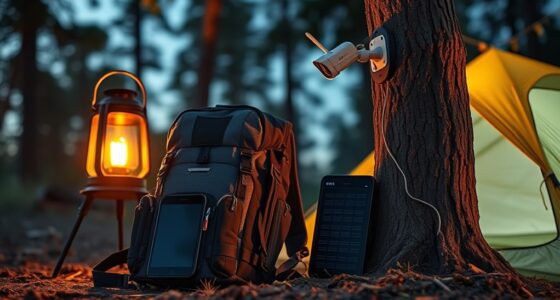
Imagine the sun rising over rugged terrain, fueling your essential tech tools. You should pack solar chargers and portable batteries as your backup power sources. Solar chargers harness daylight to keep devices alive, while portable batteries store energy for cloudy days or nighttime. Together, they guarantee your medical tech remains powered, so you’re always prepared to respond swiftly and effectively in remote areas, no matter how long your adventure lasts.
How Secure Is the Data Stored on Wilderness Medical Apps?
You can trust wilderness medical apps to keep your data secure through robust data encryption and reliable cloud storage. These apps often use advanced encryption methods to protect sensitive information during transfer and storage. Cloud storage provides secure backups and access from anywhere, reducing the risk of data loss. However, always choose reputable apps with strong security measures to guarantee your personal and medical data stays safe in remote environments.
Conclusion
Now that you’re equipped with these essential tech tools, you’re better prepared for wilderness emergencies. But remember, even the best gadgets can’t replace your judgment and calm. The real challenge begins when chaos strikes and every second counts. Will you rely solely on technology, or trust your instincts and training? Stay vigilant, stay ready—because in the wild, preparedness isn’t just about tools, it’s about how you respond when it matters most.