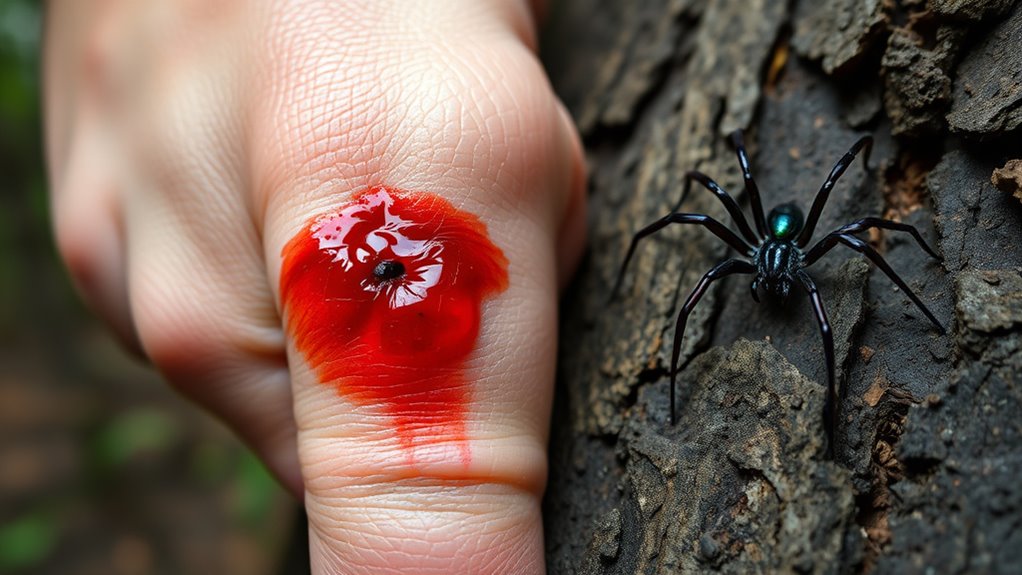

When faced with snakebites or spider bites, act fast by staying calm, moving away from the danger, and immobilizing the area at or below heart level. Clean the wound gently, cover it with a dry dressing, and avoid cutting or applying ice. Call emergency services immediately and keep the victim still to slow venom spread. Being prepared with knowledge of local resources and antivenom options can save lives—more important tips await you if you continue.
Key Takeaways
- Use mobile apps or GPS devices to quickly locate nearest medical facilities equipped with antivenom.
- Carry portable first aid kits with antiseptic, sterile dressings, and instructions for venomous bite management.
- Utilize emergency communication devices to alert services and provide real-time location updates.
- Access educational resources or apps on venomous bites to follow proper first aid procedures accurately.
- Keep personal safety devices (like whistles or alarms) to summon help swiftly in remote or high-risk areas.

When you’re bitten by a venomous snake or spider, quick and informed action can be lifesaving. Knowing how to respond immediately can reduce the severity of the venom’s effects and improve recovery chances. The first step is to stay calm and move away from the source of danger to prevent additional bites. Keeping the bitten limb immobilized and at or below heart level can slow the spread of venom. Your priority is to minimize movement, as activity increases circulation and can accelerate venom absorption.
Stay calm, immobilize the bitten limb, and move away from danger to slow venom spread and improve recovery chances.
Next, focus on applying first aid techniques that are proven to help. Remove tight clothing or jewelry near the bite site, as swelling may occur. Clean the wound gently with soap and water, but avoid cutting, sucking, or applying ice directly—these methods can worsen tissue damage or hinder proper treatment. Cover the bite with a clean, dry dressing to prevent infection. Do not attempt to apply a tourniquet or cut into the wound, as such actions can cause more tissue damage and complications.
One of the most critical factors in managing venomous bites is knowing about antivenom availability. Antivenom is the primary treatment for neutralizing venom, but it’s not always immediately accessible in all locations. If you’re in an area prone to venomous snakes or spiders, be aware of nearby medical facilities that stock antivenom. Call emergency services promptly and provide clear information about the bite, the species if possible, and your location. This helps responders prepare and expedite treatment once you arrive at a healthcare facility.
While waiting for professional help, keep the bitten person as still and calm as possible. Reassure them to prevent panic, which can increase heart rate and venom circulation. If appropriate, remove any constrictive clothing or jewelry near the bite site to accommodate swelling. Do not give the victim food, drink, or medications unless instructed by medical personnel. Being familiar with the proper first aid techniques can significantly improve outcomes in venomous encounters.
Understanding the importance of first aid techniques and the availability of antivenom can make a significant difference in an emergency. Remember, time is critical. The sooner you get professional medical care, the better the chances of avoiding severe complications or fatality. Be prepared by knowing local resources, practicing calm and effective first aid, and always seeking immediate medical attention after a venomous bite. Your quick response and awareness can truly save lives.

Ven-Ex Snake Bite and Sting Portable Venom Extractor Kit by Archer MedTech
- Complete Venom Extractor Kit: Includes bonus CPR shield for emergencies
- Portable for Outdoor Use: Fits in glovebox, backpack, or first aid kit
- Effective Sting Relief: Extracts venom from bee, wasp, or spider bites
As an affiliate, we earn on qualifying purchases.
As an affiliate, we earn on qualifying purchases.
Frequently Asked Questions
How Can I Identify if a Bite Is Venomous or Non-Venomous?
You can often tell if a bite is venomous by looking at color patterns and bite intensity. Venomous bites may cause swelling, redness, and intense pain, while non-venomous bites usually have milder symptoms. Pay attention to the color patterns on the creature—bright colors often indicate venom. If the bite is very painful or shows significant swelling, seek medical help immediately to prevent complications.
Are There Specific First Aid Steps for Different Snake Species?
When facing a snakebite, you need to follow species-specific treatment and regional bite protocols like a detective on a mission. First, identify the snake if possible, then call emergency services. Keep the victim calm, immobilize the bitten limb, and avoid cutting or sucking the wound. Different snakes require different approaches, so knowing your region’s protocols can make all the difference in the outcome. Stay alert and act fast!
What Are the Long-Term Effects of Venomous Bites?
Venomous bites can lead to long-term effects like chronic nerve damage, which causes persistent pain or numbness, and psychological trauma, including anxiety or PTSD. You might experience ongoing physical symptoms or emotional distress even after initial treatment. It’s essential to seek prompt medical attention, follow up with healthcare providers, and consider therapy to address both physical and mental health impacts, helping you recover fully from the encounter.
Can Certain Medications or Foods Influence Venom Toxicity?
Certain medications and foods can influence venom toxicity by affecting your body’s response. Medication interactions, like blood thinners, can increase bleeding risks or worsen symptoms. Dietary influences, such as alcohol or certain herbal supplements, might interfere with your body’s ability to process venom or counteract its effects. To minimize risks, avoid alcohol and consult your healthcare provider if you’re on medications before handling venomous encounters.
How Effective Are Modern Antivenoms in Various Regions?
You’ll be surprised to learn that modern antivenoms have an overall efficacy rate of around 80-90%, but regional variations are significant. In some areas, especially where specific snake species dominate, antivenom efficacy can drop to below 70%. This means that while these treatments are highly effective globally, their success depends on regional factors like venom composition and access to specialized formulations, making timely treatment vital.
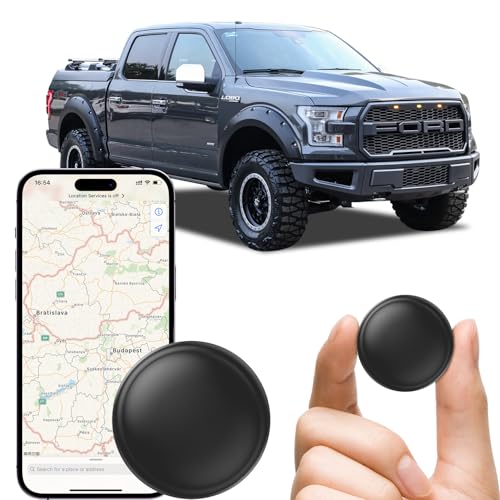
GPS Tracker Device for Car and Vehicles: Mini Hidden Magnetic no Subscription Trackers for Tracking Kids Elderly Vehicle pet – Real Time Location Track Devices no Monthly Fee for Android and iPhone
- Real-Time Location Tracking: No monthly fees, long-distance tracking
- Universal Compatibility: Works with iOS and Android devices
- Compact and Durable Design: Small, portable, IP65 rated for water and dust
As an affiliate, we earn on qualifying purchases.
As an affiliate, we earn on qualifying purchases.
Conclusion
Knowing how to handle snakebites and spider bites can save your life. Remember, about 5,000 deaths occur worldwide each year due to venomous bites, highlighting their danger. Quick action and proper tech, like mobile apps that identify species or emergency alerts, make all the difference. Stay calm, seek immediate help, and use available tools to manage the situation effectively. Being prepared with the right knowledge and technology could be the key to survival in venomous encounters.

EVERLIT Bee Sting & Snake Bite Kit with Venom Extracto Pump, Essential First Aid Supplies, Insect Bug Outdoor Emergency Safety Kit for Hiking Backpacking Camping Fishing Travel
- Comprehensive 40-Piece Emergency Kit: Includes extractor, CPR mask, tourniquet, and more
- One-Hand Suction Operation: Designed for quick, easy use in emergencies
- Compact and Lightweight Design: Measures 5.5x4x2 inches, weighs 6 oz
As an affiliate, we earn on qualifying purchases.
As an affiliate, we earn on qualifying purchases.
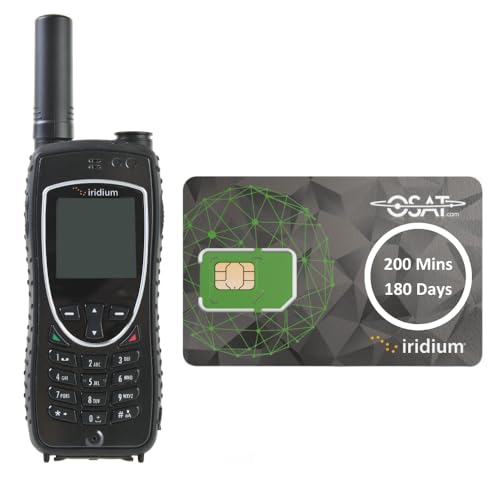
Iridium 9575 Extreme & Airtime (Handset + 200 Mins / 180 Days)
As an affiliate, we earn on qualifying purchases.
As an affiliate, we earn on qualifying purchases.