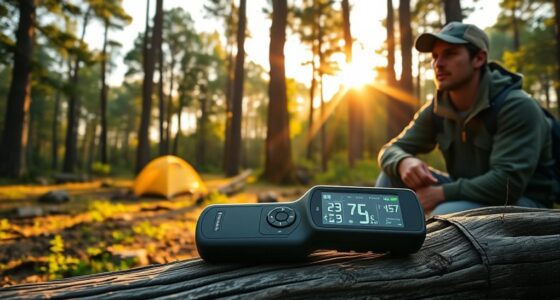

Gadgets can considerably help you stay calm during survival situations by offering real-time stress monitoring, breathing exercises, and quick access to essential information. They provide a sense of control and reduce anxiety by guiding your focus and helping you manage physiological responses. External tools like these support your mental resilience and flexibility in high-pressure moments. If you keep exploring, you’ll find ways to harness technology alongside your mental skills for better survival odds.
Key Takeaways
- Gadgets like stress monitors provide real-time physiological feedback, helping individuals recognize and manage rising stress levels.
- Guided breathing and mindfulness apps on gadgets enable quick anxiety reduction during emergencies.
- Emergency communication devices foster a sense of control, reducing panic and enhancing psychological resilience.
- Navigation and mental exercises via gadgets improve cognitive flexibility, aiding adaptation under stressful conditions.
- External tech tools reinforce mental discipline and focus, supporting calmness and decision-making in survival situations.

Have you ever wondered what drives some people to persevere in the face of extreme adversity? It’s a question that taps into the core of human resilience and the ways we cope with stress. When survival situations arise, your ability to manage stress effectively becomes essential. Stress management isn’t just about calming down; it’s about maintaining focus and clarity when everything around you feels chaotic. It’s what allows you to think clearly, make decisions, and stay motivated despite overwhelming circumstances. Cognitive resilience—the mental toughness that helps you bounce back from setbacks—is a key component of this process. It’s what keeps you from spiraling into panic and enables you to adapt to rapidly changing conditions. Cultivating this resilience involves more than just mental strength; it’s about developing habits and tools that reinforce your capacity to handle stress.
Managing stress and building resilience are essential for thriving in extreme situations.
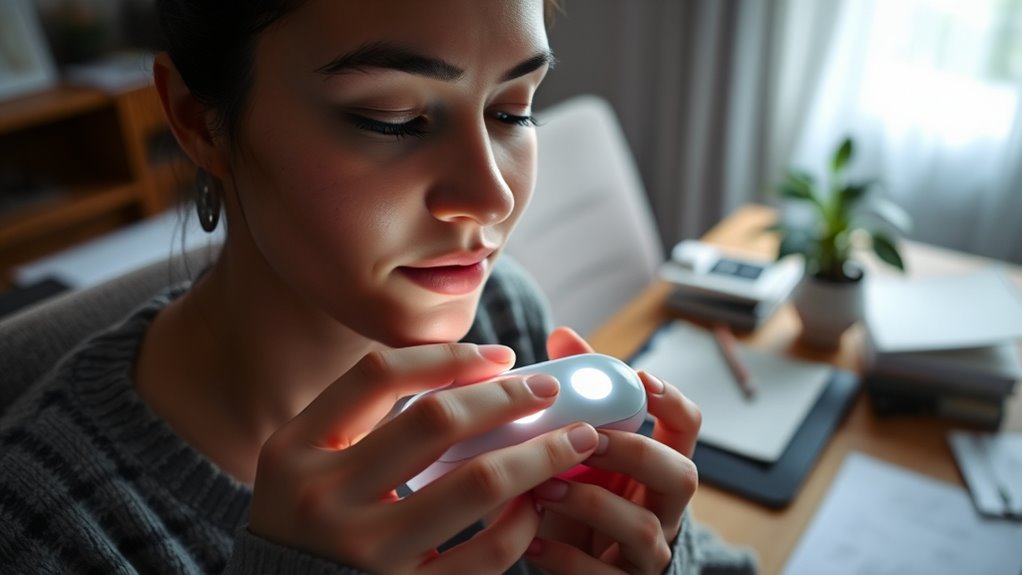
In survival scenarios, gadgets and tech devices can play a surprisingly significant role in supporting your stress management and cognitive resilience. For example, wearable stress monitors can give you real-time feedback on your physiological responses—like heart rate or skin conductance—helping you recognize when stress levels are rising. This awareness is the first step toward managing your reactions. Some gadgets offer guided breathing exercises or mindfulness prompts designed to reduce anxiety quickly. These tools aren’t a magic fix, but they can serve as anchors, helping you regain control in moments of crisis. When your mind is clouded with fear or panic, having a device that guides you back to calm can make all the difference.
Moreover, certain survival apps and portable communication devices can reduce feelings of isolation, a common trigger of stress in emergencies. Knowing you can call for help or access crucial information instantly fosters a sense of control and security, reinforcing your mental resilience. Some gadgets even provide access to survival tips or mental exercises that strengthen your cognitive flexibility—the ability to adapt your thinking to new challenges. Additionally, navigation and mapping tools embedded in some gadgets can help you find your way in unfamiliar terrain, reducing uncertainty and stress. By integrating these tools into your survival strategy, you foster a mindset that’s more resilient to stress and better equipped to handle adversity.
Ultimately, while gadgets alone won’t make you invincible, they can be powerful allies in managing stress and building cognitive resilience. They serve as external supports that help you stay calm, focused, and adaptable when it matters most. By combining mental discipline with technological aids, you enhance your capacity to survive and thrive in even the most challenging circumstances. Your mindset, supported by these tools, becomes a formidable force that keeps you moving forward, no matter what hurdles you face.
Frequently Asked Questions
Do Gadgets Have Long-Term Effects on Stress Management Skills?
Gadgets can impact your long-term stress management skills, especially if you rely on them constantly. Overuse may hinder your ability to develop emotional regulation, making it harder to handle stress naturally. To counter this, consider a digital detox regularly, allowing your mind to reset. By doing so, you bolster your emotional resilience and guarantee gadgets support, rather than replace, healthy stress management techniques over time.
Can Reliance on Gadgets Hinder Natural Coping Mechanisms?
Did you know that 65% of people report feeling anxious without their gadgets? Relying on gadgets can hinder your natural coping mechanisms by fostering digital dependency, making you less likely to develop emotional suppression skills. When you depend too much on technology to manage stress, you might block genuine emotions instead of addressing them. To stay resilient, it’s essential to balance gadget use with real-world emotional processing.
Are Some Gadgets More Effective for Specific Survival Scenarios?
Some gadgets are more effective for specific survival scenarios. Wearable devices, like fitness trackers or GPS watches, help you monitor health and locate yourself during outdoor adventures or emergencies. Emergency apps on your phone can quickly connect you to help or provide essential information during crises. Using these gadgets tailored to your situation enhances your chances of staying safe, calm, and prepared, especially when every second counts.
How Do Individual Differences Influence Gadget Effectiveness in Emergencies?
Your personality traits and tech familiarity greatly influence how effective gadgets are during emergencies. If you’re tech-savvy, you’ll likely navigate devices quickly, boosting your calmness and decision-making. Conversely, if you’re less familiar with technology, gadgets might feel overwhelming or less helpful. Recognizing your traits helps you select the right tools and practice using them beforehand, so in emergencies, they support your survival and keep you composed.
Can Gadgets Replace Traditional Mental Resilience Training?
No, gadgets can’t replace traditional mental resilience training. Think of it like a digital detox—tools can support your calm, but true strength comes from developing inner resilience, much like the steady heart of a seasoned sailor in a storm. Relying solely on tech fosters dependency and may hinder emotional growth. For real calm, balance gadgets with practices like mindfulness and mental exercises to build lasting resilience.
Conclusion
In moments of crisis, gadgets can calm your mind, guide your thoughts, and steady your hands. They serve as reminders to breathe, tools to focus, and anchors to stay grounded. When chaos surrounds you, let technology be your ally—helping you stay calm, stay composed, and stay in control. Because in survival, your mindset matters most, and with the right tools, you can face anything with clarity, confidence, and calm.