
Before visiting wildlife areas, it’s vital to understand that proper bear-resistant storage keeps both humans and bears safe. Use approved containers designed to prevent bears from accessing your food and scented items. Store all food, toiletries, and trash securely and never leave them outside. Practice good campsite hygiene by cleaning thoroughly and disposing of waste properly. By following these tips, you’ll help protect wildlife and avoid dangerous encounters—if you want to learn more, keep exploring these essential practices.

Get emergency and outdoor gear delivered free — and shop member deals
- Fast, free delivery on millions of items
- Access to Prime Big Deal Days deals on October 6–7
- Prime Video, Amazon Music and more included
Key Takeaways
- Use approved, bear-resistant containers to prevent bears from accessing human food and minimize dangerous encounters.
- Follow local regulations on storage methods and always store all scented items inside bear-proof containers.
- Keep campsite hygiene by cleaning thoroughly and disposing of trash properly to reduce odors attracting bears.
- Store food, toiletries, and trash separately from gear, and never leave scented items outside storage temporarily.
- Educate yourself on bear behavior and responsible practices to ensure safety for both humans and wildlife.
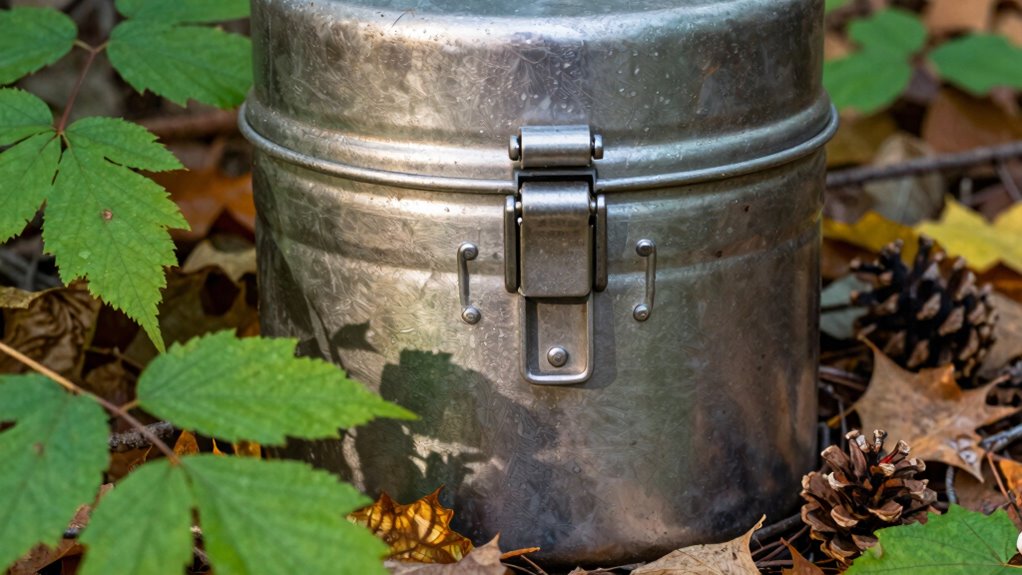
If you’re camping or living in bear country, taking steps to secure your food and supplies is vital for safety and conservation. Bears are strong and curious animals, and improper storage can lead to dangerous encounters. When planning outdoor activities like hiking safety or wildlife photography, understanding how to use bear-resistant storage is essential. Proper containers don’t just protect your food—they also help protect the bears by preventing them from becoming conditioned to seek out human food.
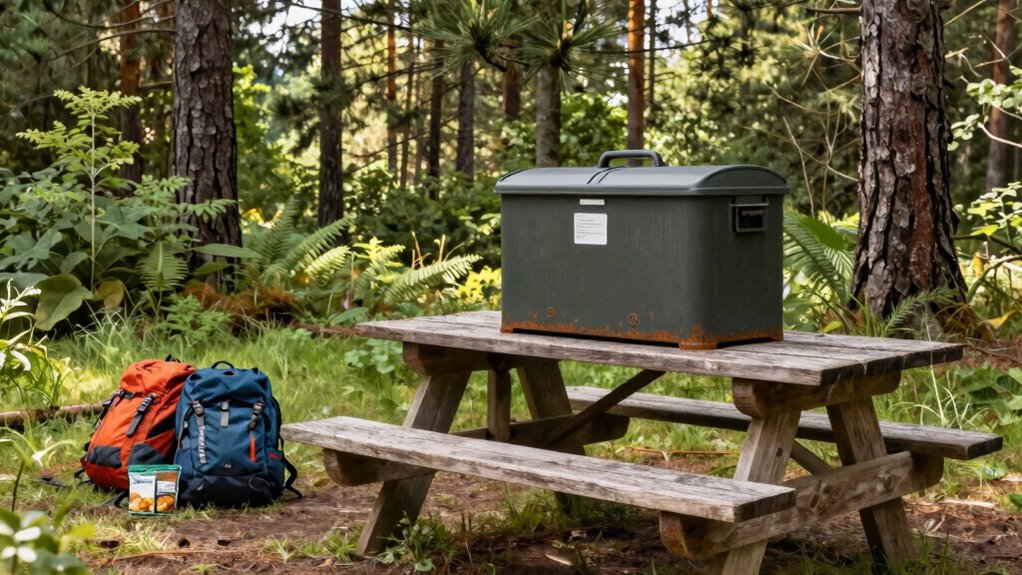
Before heading into areas where bears are common, familiarize yourself with the regulations and recommendations for bear-resistant storage. Many parks and wilderness areas require or recommend using specific bear canisters or lockers. These containers are designed with bear-proof locks and durable materials that withstand force. Using them correctly is key—make sure to store all scented items, including food, toiletries, and trash, inside these containers. Never leave food or scented items outside of your storage, even if it’s just for a moment. Bears have a keen sense of smell and can detect food from significant distances, which might lead them to your campsite or trail. Proper storage practices are crucial for effective prevention. Additionally, choosing storage solutions that are tested and approved by authorities ensures you’re using the most reliable equipment available.
Familiarize yourself with regulations and always store scented items in bear-proof containers to prevent attracting bears.
When selecting a bear-resistant storage option, choose one that’s tested and approved by relevant authorities. Lightweight, portable bear canisters are popular among hikers because they’re easy to carry and meet safety standards. If you’re involved in wildlife photography, be especially mindful of how you store your gear. Keep any food, snacks, or scented items separate from your camera equipment and store them in approved containers. This reduces the risk of attracting bears while you’re capturing images of wildlife.
In addition to using proper storage, practice good campsite hygiene. Clean up thoroughly after meals, and dispose of trash in designated containers. If you’re on a multi-day trip, pack out all waste, and avoid leaving any food scraps behind. When hiking, carry a bear-resistant container or bag for your snacks and trash, especially in known bear territories. Remember, your goal is to minimize the smell and avoid attracting bears altogether. It’s also important to understand how bear behavior can influence your safety and the effectiveness of your storage practices. Proper education about wildlife interactions can help you respond appropriately if a bear approaches your campsite.
Ultimately, investing in good bear-resistant storage and understanding how to use it properly enhances your safety and preserves the natural behavior of wildlife. Whether you’re out on a hike, setting up a base camp, or photographing wildlife, responsible storage practices help keep both humans and bears safe. It’s a small effort that makes a big difference in maintaining the balance between enjoying nature and respecting its wild inhabitants.
bear-resistant food storage container
As an affiliate, we earn on qualifying purchases.
As an affiliate, we earn on qualifying purchases.
Frequently Asked Questions
Are Bear-Resistant Containers Required by Law in All Wildlife Areas?
Legal regulations vary across wildlife areas, so bear-resistant containers aren’t always required by law everywhere. You should check specific regulations for the area you’re visiting to guarantee container compliance. In some parks, using bear-resistant containers is mandatory to protect wildlife and prevent bears from becoming habituated to humans. Always verify local rules beforehand, as failure to comply can lead to fines or environmental damage.
How Long Can Food Stay Safely Stored in a Bear-Resistant Container?
A stitch in time saves nine—so, when it comes to food safety, don’t push your luck. In bear-resistant containers, your food can stay safely stored for up to a week if kept in a cool, dry place. Make certain the container’s durability by choosing high-quality, sturdy options; this prevents bears from breaking in. Regularly check for damage and clean the container thoroughly to keep your food safe and secure during your adventure.
Can Bears Eventually Learn to Open Bear-Resistant Storage?
Bears can eventually learn to open bear-resistant storage, especially if they observe humans or other bears doing so. While their intelligence is high compared to other animals, the durability of your container plays a vital role. Investing in high-quality, sturdy containers can delay or prevent bears from cracking the code. Remember, consistent use of proper storage methods is essential to protect your food and minimize bear encounters.
What Should I Do if I Encounter a Bear Near My Storage Container?
Did you know that bears can sense food from over a mile away? If you encounter a bear near your storage container, stay calm and don’t run. Speak softly, back away slowly, and avoid eye contact. Remember, bear behavior varies, so your container’s durability matters—keep it closed and secure. If the bear approaches, make yourself look bigger and use bear spray if needed, then retreat slowly.
Are There Different Types of Bear-Resistant Storage for Various Terrains?
Yes, there are different bear-resistant storage options designed for various terrains. You’ll find containers made from durable materials like heavy-duty plastics, metals, or composites that withstand rough conditions. The container design also varies; some feature locking mechanisms or bear-proof latches to prevent tampering. Choose a storage option suited for your specific environment—whether rugged mountain terrain or forested areas—to guarantee your food stays secure and safe from bears.
As an affiliate, we earn on qualifying purchases.
Conclusion
Using bear-resistant storage isn’t just about following rules—it’s about protecting wildlife and keeping yourself safe. Did you know that over 80% of bear encounters in national parks happen because food or scented items weren’t stored properly? By investing a little effort in securing your supplies, you help prevent dangerous bear interactions and preserve the natural balance. So, before your next adventure, make sure your storage gear is bear-resistant—your safety and the wildlife will thank you!
approved bear-resistant storage box
As an affiliate, we earn on qualifying purchases.
As an affiliate, we earn on qualifying purchases.
As an affiliate, we earn on qualifying purchases.
Fall Picks
fall essentials
As an affiliate, we earn on qualifying purchases.