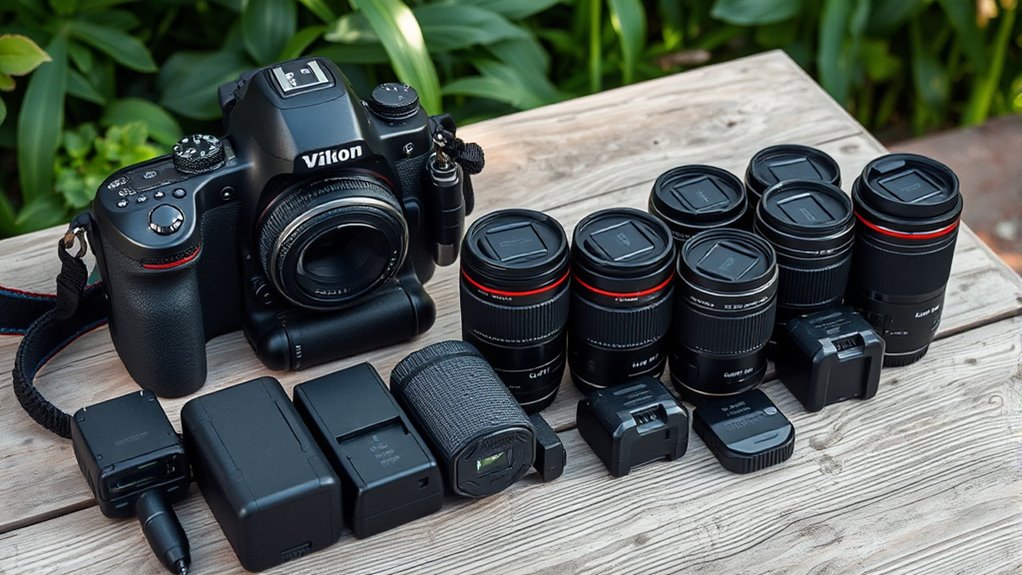
To build redundancy for your most critical gear, use multiple backup gadgets like external drives, encrypted USB sticks, and cloud storage. Keep copies on different devices and store some off-site to protect against theft or disasters. Regularly test and update your backups, and guarantee your devices have reliable build quality and encryption features. Having a layered approach with physical and remote backups keeps your data safe even if one device fails. You’ll discover more ways to strengthen your backup setup as you continue.
Key Takeaways
- Use multiple backup devices like external drives, USB sticks, and cloud storage to ensure data redundancy.
- Select reliable, encrypted gadgets with proven durability and regular testing for consistent backups.
- Store physical backups off-site in secure, fireproof locations to protect against theft or physical damage.
- Automate scheduled backups to reduce errors and maintain up-to-date copies of critical data.
- Diversify backup methods and locations to safeguard against device failure, theft, or disasters.

In today’s digital world, losing access to your data can be catastrophic, which is why having reliable backup gadgets is essential. When emergencies strike, whether it’s a natural disaster, theft, or hardware failure, your ability to recover vital information hinges on the tech reliability of your backup solutions. You need to be prepared for the unexpected, and that means investing in more than just one device or storage option. Building redundancy isn’t just about having multiple copies; it’s about ensuring those copies are stored on different devices, formats, and locations to maximize your emergency preparedness.
Having a primary backup, like an external hard drive or cloud storage, is a good start. But if that’s your only safeguard, a single point of failure could jeopardize your entire digital life. Instead, you should consider adding secondary backup gadgets—small, portable drives, encrypted USB sticks, or even offline storage devices—that you can keep separate from your main setup. This layered approach guarantees that if one device fails or becomes inaccessible, you still have others to fall back on. It’s about creating a safety net that covers all bases.
Diversify your backups with portable drives and offline storage to prevent a single failure from compromising your data.
Tech reliability plays a *crucial* role in this process. Not all gadgets are created equal, and choosing dependable, well-reviewed devices can save you from headaches down the line. Look for gadgets with solid build quality, reputable brand backing, and robust encryption features to protect your data. Regularly testing your backups ensures they’re functional and that your files can be restored when needed. Automation tools and scheduled backups also reduce human error, making your redundancy system more dependable. Additionally, understanding the importance of reliable hardware can help you select backup devices that truly safeguard your data over time.
Emergency preparedness isn’t just about having the right gadgets; it’s about understanding their role in your overall safety plan. Keep some backup devices in a secure, off-site location or in a fireproof safe, so they’re protected from physical threats. Consider using cloud storage as a remote backup option, ensuring you can access your data from anywhere if your physical devices are compromised. This multi-layered approach not only guards against hardware failure but also against theft, fire, or natural calamities.
Frequently Asked Questions
How Do I Choose the Best Backup Gadget for My Needs?
To choose the best backup gadget, consider your device compatibility to guarantee it works seamlessly with your main gear. Think about warranty considerations to protect your investment if something goes wrong. Assess how often you’ll use the backup, its portability, and power options. Read reviews and compare features to find a reliable, durable option that fits your needs and budget, so you stay prepared for unexpected issues.
What Is the Average Lifespan of Backup Gadgets?
The average lifespan of backup gadgets varies, but most offer about 2 to 5 years of battery longevity. You should expect to replace batteries or the entire device more frequently if you heavily rely on them or if they’re exposed to harsh conditions. Regular testing and maintenance help prolong their usability. Keep an eye on signs of declining performance to ensure your backup gear stays reliable when you need it most.
Are There Eco-Friendly Backup Gadget Options Available?
Yes, eco-friendly backup gadgets are out there, and they’re transforming your gear protection game. Imagine solar chargers that harness sunlight to power your devices endlessly, and biodegradable cases that break down naturally without harming the planet. These options are perfect for reducing your carbon footprint while keeping your critical gear safe. You can stay eco-conscious and prepared, even when disaster strikes, knowing your gadgets are kinder to Earth.
How Much Should I Budget for Backup Gear?
You should budget around $100 to $300 for backup gear, depending on your needs and gear quality. To keep costs manageable, use affordability strategies like prioritizing essential items and shopping during sales. Conduct a cost estimation based on your critical gear, and consider eco-friendly options that may cost slightly more upfront but save money long-term. Planning ahead guarantees you’re prepared without overspending.
Can Backup Gadgets Be Integrated With Existing Devices Easily?
Getting backup gadgets to play nice with your existing devices isn’t rocket science, but it does take some finesse. Most modern backup gear is designed for easy device compatibility and data synchronization, making integration smooth as silk. Just double-check compatibility specs and make sure your devices support the needed connections or apps. With a little prep, you’ll have your backup gadgets working seamlessly alongside your main gear, ready when you need them.
Conclusion
Think of your gear like a lifeboat—having backups keeps you afloat when the unexpected hits. I once relied on a spare power bank during a vital outdoor shoot, and it saved the day when my main device died. Don’t wait until you’re stranded; investing in backup gadgets is like carrying a safety net. With the right backups, you’ll stay prepared, confident, and ready to capture every moment, no matter what surprises come your way.