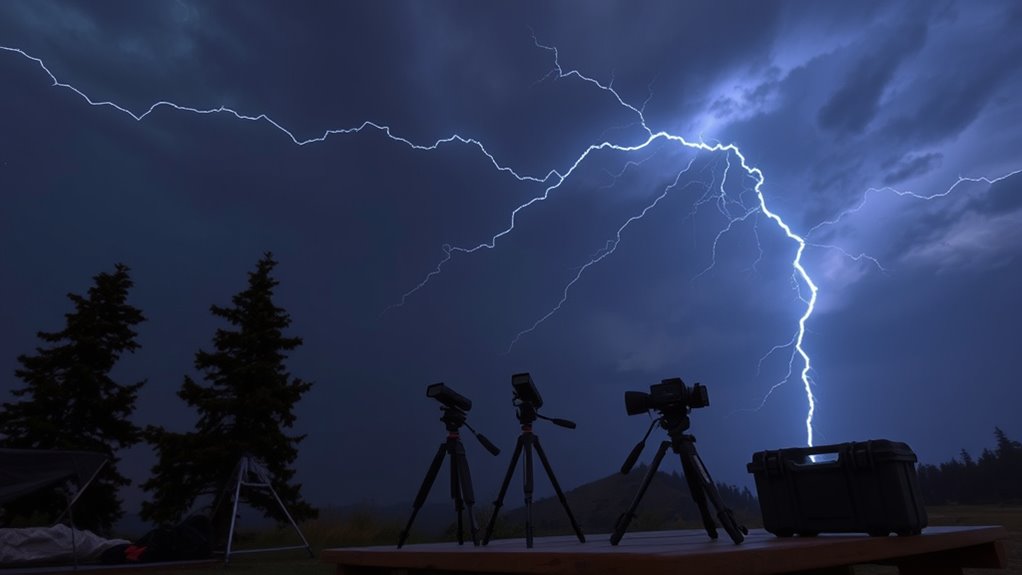

Lightning carries massive electrical energy that can fry your electronic gear if you’re not protected. To keep your devices safe, use surge protectors with high joule ratings and guarantee your home has proper grounding. Installing whole-house surge protection offers extra security during thunderstorms. Unplugging devices and turning off electronics during storms adds an extra layer of safety. For smarter strategies, explore how grounding and surge devices work together to defend your equipment when lightning strikes.
Key Takeaways
- Proper grounding systems safely direct lightning surges into the earth, protecting your equipment from damage.
- Using high-quality surge protectors absorbs or redirects voltage spikes caused by lightning strikes.
- Installing whole-house surge protection at the main panel offers comprehensive defense for all connected devices.
- Unplugging electronics during thunderstorms adds an extra layer of safety beyond surge protectors.
- Combining grounding and surge protection measures minimizes the risk of lightning-induced damage to your gear.
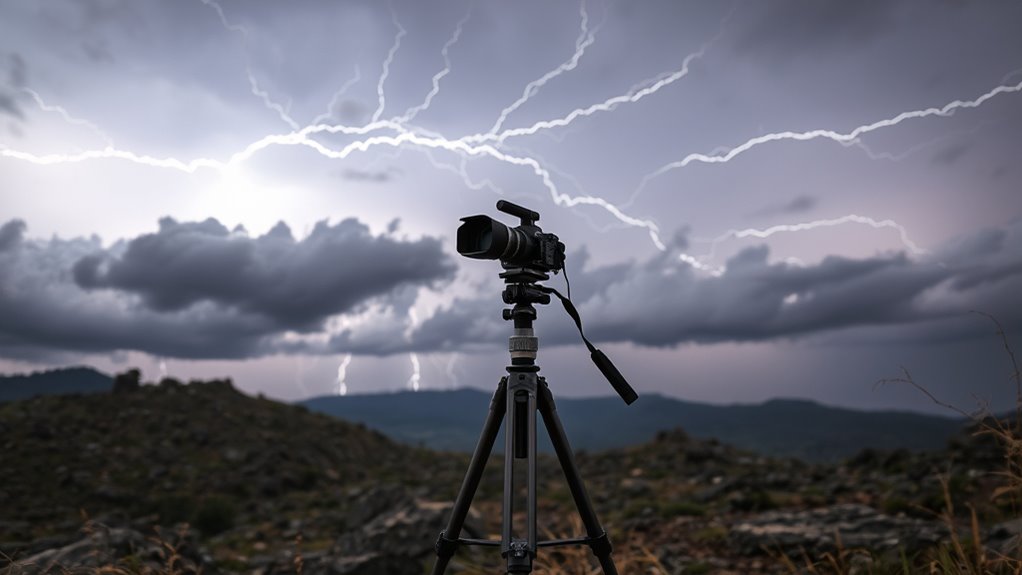
Lightning can strike unexpectedly, delivering powerful surges that can destroy your electronic devices and equipment in seconds. When this happens, your first line of defense should be a solid grounding system. Grounding systems work by providing a direct path for excess electrical energy to safely travel into the ground, preventing it from passing through your electronics. Without proper grounding, a lightning strike can cause severe damage or even complete failure of your devices, leading to costly repairs or replacements. Installing and maintaining an effective grounding system is crucial if you want to minimize the risk of damage from lightning strikes. It ensures that any surge caused by a lightning strike is directed away from sensitive electronics, reducing the chance of power surges damaging your equipment.
In addition to grounding systems, surge protectors are indispensable. They act as barriers that absorb or divert excess voltage caused by lightning-induced surges. When a surge protector detects a voltage spike, it quickly redirects the extra energy away from your devices, preventing it from causing harm. Not all surge protectors are created equal, so it’s important to choose high-quality models that are rated for the level of protection you need. Look for surge protectors with a high joule rating, which indicates how much energy they can absorb before failing. Also, consider models with multiple outlets and features like USB ports, so you can protect all your essential electronics at once. Remember, surge protectors are most effective when used in conjunction with a grounding system, creating a complete defense against lightning surges.
You should also be proactive about plugging your valuable electronics into surge protectors, especially during thunderstorms. Avoid relying solely on power strips or extension cords, which may not offer adequate surge protection. When thunderstorms are predicted, turn off and unplug your devices as an extra safeguard. This simple step can save your equipment from damage caused by unexpected power surges. If you live in an area prone to frequent lightning strikes, investing in whole-house surge protection may be worth considering. These systems are installed at your main electrical panel and provide protection for everything connected to your home’s wiring. Incorporating a grounding system and proper surge protection measures can significantly reduce the risk of lightning damage to your home and electronics.
Frequently Asked Questions
Can Lightning Strikes Cause Damage Without Direct Contact?
Yes, lightning strikes can cause damage without direct contact through atmospheric electrical effects. An indirect strike can create powerful electromagnetic pulses that induce voltage surges in nearby equipment, leading to damage. You should always protect your gear with surge protectors and unplug devices during storms. This way, you reduce the risk of indirect strike damage caused by atmospheric electrical currents, even if lightning doesn’t strike directly nearby.
How Do Surge Protectors Differ From Lightning Arresters?
Surge protectors and lightning arresters both defend your gear, but they differ considerably. About 80% of power surges come from within your home or external sources, so grounding systems work with surge suppressors to divert excess voltage. Surge protectors are designed for daily surges, protecting appliances, while lightning arresters are specialized to handle large strikes, grounding them safely and preventing damage. Use both for thorough protection.
Is It Enough to Unplug Devices During Thunderstorms?
Unplugging devices during thunderstorms helps, but it’s not enough. You should also rely on proper grounding systems and surge suppression devices to protect your gear. Grounding directs lightning strikes safely into the earth, while surge suppressors absorb excess voltage. Combining these protections ensures your electronics stay safe, even if you forget to unplug. Don’t depend solely on unplugging—use a thorough approach for maximum safety during storms.
Do All Electronic Devices Require Lightning Protection?
Not all electronic devices need lightning protection, but many do, especially high-value or sensitive equipment. You should use proper grounding techniques and surge suppression methods to safeguard your gear from power surges caused by lightning strikes. Even if you unplug devices during storms, installing surge protectors and grounding systems offers continuous protection. This way, you minimize damage risk without constantly unplugging everything, ensuring your devices stay safe during thunderstorms.
How Effective Are Outdoor Lightning Rods for Protecting Gear?
Outdoor lightning rods are quite effective when properly installed with grounding systems, as they safely direct lightning strikes away from your gear. You should guarantee the lightning rods are grounded correctly to prevent damage and improve protection. Regular maintenance and inspection of the grounding system help keep your equipment safe. While no system can guarantee 100% protection, combining lightning rods with a solid grounding system considerably reduces the risk of damage from strikes.
Conclusion
Remember, lightning may be nature’s fierce power, but with the right protection, your gear can weather the storm. Think of your equipment as a delicate ship sailing through turbulent seas—you wouldn’t leave it unshielded in a storm, right? By installing surge protectors and unplugging devices during thunderstorms, you’re acting as the lighthouse guiding your gear safely to shore. Stay vigilant, and let your tech shine bright, even when lightning dances across the sky.