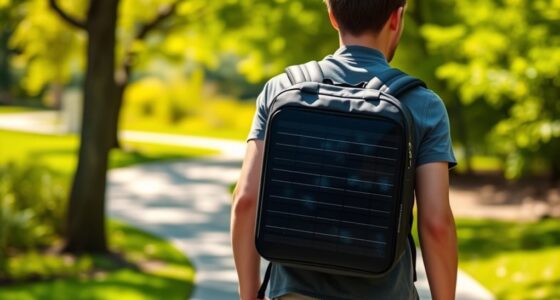
To power your off-grid cabin reliably, learn from homesteaders’ strategies by investing in quality solar batteries and optimizing your energy management. Regularly check and maintain your backup generator, ensuring it’s ready for extended cloudy days or high demand. balancing energy production and consumption helps prevent outages and prolongs battery life. Incorporating these proven practices creates a resilient, eco-friendly system that keeps your cabin running smoothly—discover more ways to master off-grid power below.

Get emergency and outdoor gear delivered free — and shop member deals
- Fast, free delivery on millions of items
- Access to Prime Big Deal Days deals on October 6–7
- Prime Video, Amazon Music and more included
Key Takeaways
- Use high-quality solar batteries and optimize placement to maximize energy storage and efficiency.
- Regularly monitor and maintain your power system to prevent unexpected outages.
- Incorporate backup generators with routine maintenance for extended cloudy days or high demand.
- Balance energy production and consumption through smart management to extend battery life.
- Develop a resilient, integrated system combining solar and generator solutions for reliable off-grid power.

Ever wondered how to keep your off-grid cabin powered without relying on traditional electricity sources? Homesteaders and seasoned campers have long relied on practical, sustainable solutions that you can adopt to guarantee your cabin stays energized. One of the most dependable methods involves harnessing solar power, especially through the use of solar batteries. These batteries store excess energy generated during sunny days, so you have power when the sun isn’t shining. Investing in high-quality solar batteries means you won’t be left in the dark during cloudy weather or at night. They’re low-maintenance, eco-friendly, and can considerably reduce your reliance on fuel-based generators. When setting up your solar system, focus on proper placement and capacity to maximize efficiency. Regularly monitoring your solar batteries’ health is essential; keeping tabs on their charge levels and potential degradation ensures you won’t run out of power unexpectedly. Homesteaders often emphasize the importance of balancing energy production and consumption, so plan your usage accordingly to extend your battery life and maintain a steady power supply. Incorporating smart energy management solutions can further optimize your off-grid power system by intelligently controlling energy flow and usage.
Along with solar batteries, generator maintenance plays an indispensable role in off-grid power management. Even if you primarily depend on solar energy, a backup generator provides peace of mind during extended cloudy spells or high-demand periods. Regular maintenance of your generator is necessary for reliable operation. This includes checking oil levels, inspecting spark plugs, cleaning filters, and running the generator periodically to prevent it from seizing up. Homesteaders recommend developing a routine maintenance schedule that aligns with your usage patterns. Keeping spare parts handy, such as filters and spark plugs, can save you time and stress during emergencies. Proper maintenance not only extends the lifespan of your generator but also ensures it’s ready to kick in whenever you need it most. Many homesteaders also advise testing your backup power system regularly, so you’re familiar with its operation and can troubleshoot issues quickly.
Incorporating these lessons from homesteaders into your off-grid setup means you’re prepared for various scenarios. Combining the use of durable solar batteries with diligent generator maintenance creates a resilient power system. This approach minimizes disruptions, reduces your environmental impact, and helps you enjoy the tranquility of your cabin without worries about power failures. By taking these simple but effective steps, you’ll gain independence from traditional grids and embrace a sustainable, self-sufficient lifestyle.
Frequently Asked Questions
What Are the Initial Costs of Setting up Off-Grid Power Systems?
You’ll spend around $5,000 to $15,000 on initial off-grid power setup, depending on your needs. Buy solar panels and battery storage to generate and store electricity effectively. Higher capacity systems cost more but provide reliable power. You might also need inverters, charge controllers, and wiring, which add to expenses. Investing in quality components guarantees durability and efficiency, making your off-grid lifestyle smoother and more sustainable from the start.
How Do Homesteaders Handle Power Outages or System Failures?
When power outages or system failures occur, you can rely on backup generators to keep essential systems running. Homesteaders also practice proper battery management, ensuring batteries are charged and maintained to avoid disruptions. By having a backup generator ready and monitoring your batteries regularly, you minimize downtime and maintain reliable power, even during unexpected outages. This proactive approach helps you stay self-sufficient and prepared for any electrical issues.
What Are the Best Practices for Maintaining Off-Grid Power Equipment?
Think of your off-grid power system as a garden that needs regular tending. You should frequently check and clean your batteries, ensuring they’re well-maintained to prevent failures. System monitoring helps you catch issues early—like weeds before they take over. Regularly inspect connections, keep components clean, and test your backup systems. Staying proactive keeps your power flowing smoothly, so you’re never left in the dark when you need it most.
How Do Off-Grid Systems Adapt to Seasonal Weather Changes?
You adapt your off-grid system to seasonal weather changes by implementing seasonal storage for batteries and equipment, ensuring they’re protected during extreme temperatures. Use weatherproofing strategies like insulating cables and sealing enclosures to prevent damage from moisture and cold. Regularly monitor and adjust your system to accommodate shifting sunlight hours or snow cover, maintaining efficiency year-round and preventing unexpected outages caused by seasonal weather variations.
Can Off-Grid Power Systems Support Modern Appliances and Electronics?
Yes, off-grid power systems can support modern appliances and electronics if you prioritize solar compatibility and inverter capacity. You need a system with a high enough inverter capacity to handle the surge power of appliances like refrigerators or laptops. Ensuring your solar setup is compatible with your energy needs allows you to power your devices reliably, even in remote locations, without sacrificing convenience or function.
Conclusion
Just like the pioneers who carved their paths through uncharted lands, embracing off-grid power teaches you resilience and independence. Take their spirit of self-sufficiency, learn from their resourcefulness, and forge your own sustainable journey. Remember, every spark of solar energy or turn of a wind turbine echoes the timeless quest for freedom and harmony with nature. By applying these lessons, you’ll craft a cabin life that’s truly your own — simple, steady, and forever connected to the earth.
Evergreen bestsellers Picks
bestsellers
As an affiliate, we earn on qualifying purchases.