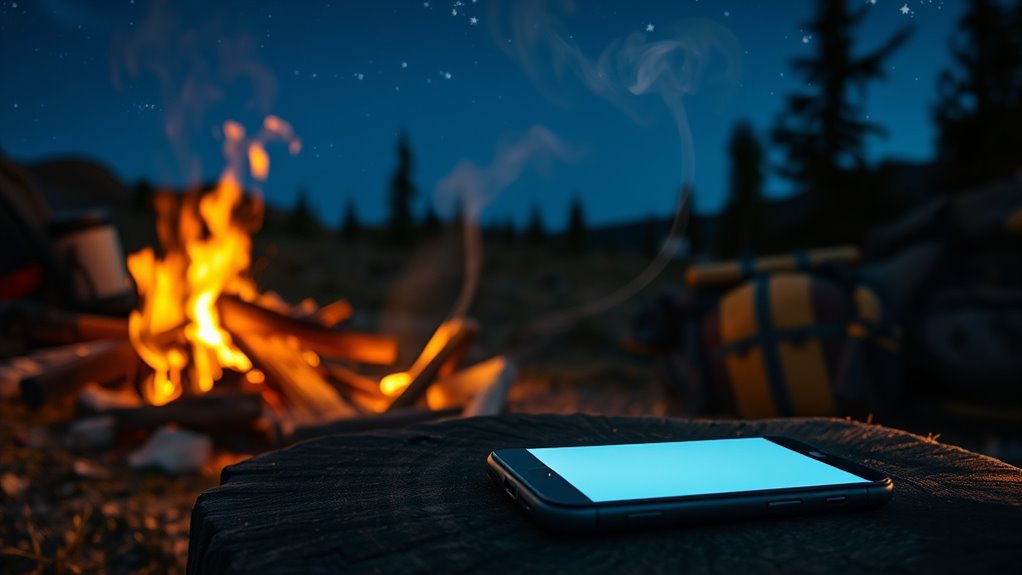

Yes, your campfire can generate enough heat to power small devices like phones through thermoelectric generators. These devices convert heat directly into electricity, but effectiveness depends on proper setup, safety, and fire size. While it’s possible to charge devices, the power output may be limited and inconsistent. If you want to know how to set up a fire-powered station safely and efficiently, there’s more to explore below.
Key Takeaways
- Fire-powered chargers use thermoelectric generators to convert heat from a campfire into electrical energy for devices.
- Proper setup includes a stable heat source, TEGs, and safety measures to prevent wildfires and accidents.
- They can reliably charge small electronics but have limited power output and efficiency.
- Fire-based systems pose safety risks, environmental impacts, and are more labor-intensive than solar or portable batteries.
- Future advancements aim to improve efficiency, safety, and ease of use for outdoor device charging.
How Fire-Powered Chargers Work

Fire-powered chargers convert the heat from a campfire into electrical energy that can charge your devices. To do this safely, you need to prioritize fire safety and use proper camping gear designed for this purpose. The system typically includes a thermoelectric generator, which sits in direct contact with the fire’s heat source. As the fire burns, the generator produces electricity by exploiting the temperature difference between hot and cold sides. You’ll connect your device via a USB port or similar outlet to the charger. It’s vital to set up your campfire in a safe, stable spot and keep your gear organized to prevent accidents. Proper fire safety measures are essential when operating these devices to avoid mishaps. Understanding thermal energy conversion techniques can help optimize the efficiency of your setup, and awareness of battery technologies can aid in selecting the most effective portable charging options. Additionally, knowing how to maximize energy transfer can improve the overall performance of your fire-powered charger. Optimizing heat transfer efficiency can significantly enhance the amount of power generated, ensuring your devices stay charged even in remote locations. With the right preparation, fire-powered chargers offer a reliable way to keep your devices powered without traditional power sources.
The Components of a Campfire Charging System

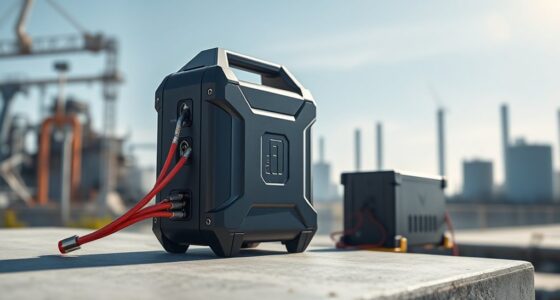
A campfire charging system relies on several key components working together to convert heat into usable electrical energy. First, you need a reliable heat source, like a safe, well-built campfire, ensuring fire safety at all times. Second, a thermoelectric generator (TEG) converts heat into electricity, acting as the core of your camping gear setup. Third, a power management system regulates voltage and charges your devices efficiently. Properly assembled, your campfire becomes a makeshift power station, turning your fire into a sustainable energy source for your devices. Incorporating solar panels can also enhance the system’s efficiency and energy capacity when available. To maximize the energy output, considering energy storage solutions is essential for providing power during periods without heat. Additionally, understanding thermoelectric efficiency can help optimize your system’s overall performance. Understanding heat transfer principles can further improve the system’s effectiveness by ensuring optimal contact between the heat source and the thermoelectric generator. Moreover, knowing how to maximize heat contact can significantly boost the energy conversion efficiency of your setup.
Types of Fire-Based Power Generators

Thermoelectric generators (TEGs) are the most common type of fire-based power generators used in camping setups, converting heat directly into electricity through the Seebeck effect. They are compact, durable, and easy to incorporate into a campfire system. While TEGs are efficient, it’s essential to prioritize fire safety to prevent accidents or wildfires. Additionally, their environmental impact is minimal since they produce no emissions during operation. Proper handling and awareness of fire safety guidelines help ensure responsible, eco-friendly use of these devices. Understanding fire safety practices is crucial to prevent hazards and protect the surrounding environment while using these generators. Using sustainable heat sources can further reduce environmental impact and promote eco-friendly camping. Incorporating efficient energy conversion technologies can optimize power output and reduce fuel consumption during use. Being aware of environmentally friendly practices can further enhance the sustainability of your camping power solutions. Implementing innovative heat management strategies can also improve the overall efficiency and lifespan of these generators.
Setting Up a Fire-Driven Charging Station
To set up a fire-driven charging station, you need to choose the right equipment that suits your power needs and environment. Make sure you also implement safety measures like keeping fire control tools nearby and working in a clear, stable area. Incorporating Free Floating elements can enhance the flexibility and functionality of your setup. Additionally, understanding heat transfer principles can help optimize the efficiency of your power generation. Exploring connected equipment options can further improve the integration of your setup with other devices and apps. Considering seasonal maintenance can also help keep your system operating safely and efficiently throughout the year. Proper tool maintenance ensures your equipment remains reliable and safe to use over time.
Selecting the Right Equipment
Choosing the right equipment is crucial when setting up a fire-driven charging station, as it determines how efficiently you can generate power from your fire. You need tools that maximize energy transfer while maintaining fire safety and respecting campfire etiquette. Here are four essentials:
- A durable thermoelectric generator (TEG) with a reliable heat sink
- Heat-resistant wires and connectors to prevent damage
- A small, stable platform to keep equipment safe and steady
- A USB power bank or inverter to store or convert the generated power
Ensure your setup keeps fire safety in mind by avoiding flammable materials near your equipment. Respect campfire etiquette by keeping the area clean and extinguishing your fire properly once done. Picking the right gear guarantees safer, more effective charging.
Ensuring Safety Measures
Setting up a fire-driven charging station requires careful attention to safety to prevent accidents and guarantee reliable operation. First, follow campfire etiquette by keeping the fire contained and maintaining a safe distance from combustible materials. Always have a fire extinguisher or water nearby. Use heat-resistant surfaces for your devices and avoid overloading the fire with excessive wood. Here’s a quick safety checklist:
| Fire Safety | Setup Tips | Emergency Preparedness |
|---|---|---|
| Keep fire small and controlled | Use non-flammable supports | Know evacuation routes |
| Maintain clear area | Use proper tools for fire management | Call emergency if needed |
| Never leave fire unattended | Ensure stable device placement | Have first aid kit ready |
Prioritize safety to enjoy your campfire charging station responsibly. Remember to monitor fire safety practices continuously to ensure a secure environment during your outdoor activities. Additionally, understanding cultural content related to outdoor safety can enhance your awareness and preparedness. Being familiar with risk mitigation strategies can help prevent accidents and ensure a safe outdoor experience. Incorporating proper ventilation considerations can also reduce the buildup of smoke and fumes, making your outdoor setup safer and more comfortable. Incorporating electric power generation methods, such as small-scale generators, can provide a more consistent power source, but safety precautions should always be followed.
Advantages of Using Fire for Power on Outdoor Adventures
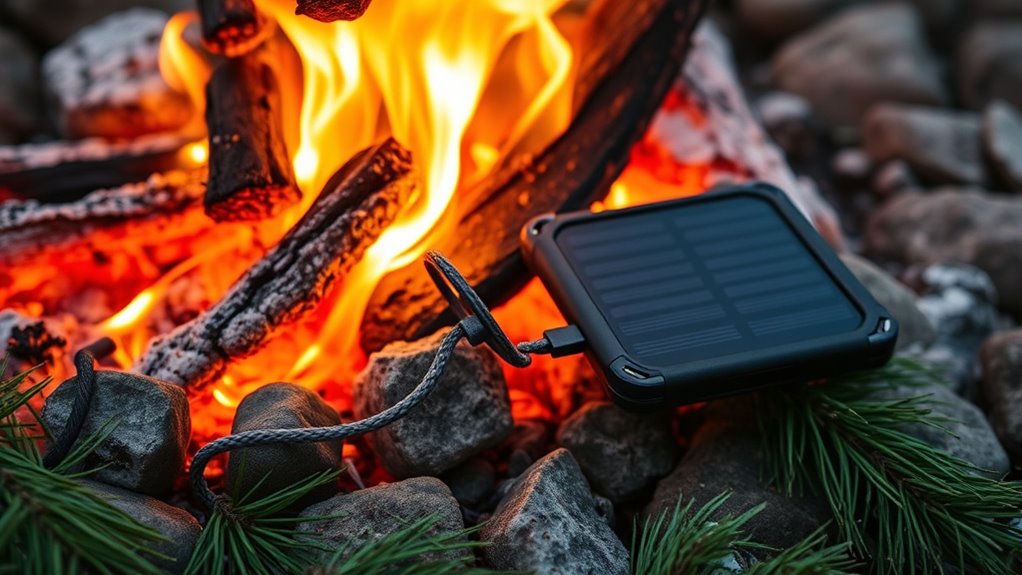
Using fire for power offers a reliable and accessible energy source during outdoor adventures. It’s a natural way to keep your devices charged without relying on bulky batteries or solar panels. Plus, fire provides warmth, light, and a sense of security in the wilderness, supporting your outdoor survival skills. Proper fire safety is essential to ensure that your fire remains controlled and safe while you use it for power. Employing creative storytelling techniques can help you share your outdoor experiences and tips with others, fostering a community of outdoor enthusiasts. Incorporating knowledge about vetted outdoor gear can enhance your safety and efficiency when using fire for power in remote locations.
Limitations and Challenges of Fire-Based Charging

While fire-based charging offers several advantages, it also comes with notable limitations that can hinder its practicality. Fire safety is a major concern; managing an open flame requires caution to prevent accidents or wildfires. Additionally, the environmental impact of using fire for power can be significant, especially if you rely on wood or other combustible materials that contribute to deforestation or pollution. Fire-based systems often produce inconsistent power output, making them unreliable for continuous device charging. They also generate heat and smoke, which can be uncomfortable and pose health risks. Furthermore, setting up and maintaining a fire-based charger demands effort and attention, reducing convenience during outdoor activities. These challenges highlight why fire-based charging remains more suitable as a supplementary source rather than a primary power solution.
Comparing Fire Chargers to Solar and Other Portable Power Sources

Compared to fire-based chargers, solar and other portable power sources generally offer greater safety, reliability, and convenience. When considering your camping gear, these options reduce risks associated with fire safety and accidental burns. Here are some key differences:
Solar and portable power sources are safer, more reliable, and more convenient than fire-based chargers for camping.
- Consistency: Solar panels provide steady power without needing a heat source, unlike fire chargers that depend on maintaining a consistent fire.
- Safety: Solar and portable batteries eliminate concerns about smoke, sparks, or uncontrolled flames.
- Ease of Use: Simply set up solar panels or connect portable batteries; fire chargers require managing wood and fire safety.
- Availability: Solar power works in various weather conditions, while fire chargers need a fuel source and proper ventilation.
Safety Precautions When Using Fire to Generate Power

When using fire to generate power, managing the flames is vital to prevent accidents. You need to handle equipment properly to avoid burns or damage. Staying alert and following safety guidelines guarantees you keep yourself and your gear safe.
Fire Management Strategies
Have you considered the importance of proper fire management when using fire to generate power? Managing your fire properly helps protect the environment, aligns with fire ecology principles, and prevents wildfires. Here are four key strategies:
- Keep your fire small and controlled to minimize damage and reduce wildfire risk.
- Clear the area around the fire pit, removing leaves, twigs, and other flammable debris.
- Never leave the fire unattended, and ensure it’s fully extinguished before leaving.
- Follow local regulations and restrictions to support wildfire prevention efforts.
Proper Equipment Handling
Are you aware of the essential safety precautions needed when handling equipment to generate power from fire? Proper equipment handling guarantees fire safety and maintains good campfire etiquette. Always keep tools like tongs, fire gloves, and fire starters nearby. Never leave your fire unattended, and position devices on stable, non-flammable surfaces. Use insulated cables to prevent overheating, and avoid overloading circuits.
| Safety Tip | Explanation |
|---|---|
| Use protective gear | Wear gloves and eye protection when handling equipment |
| Keep water nearby | Quickly extinguish sparks or fires if needed |
| Maintain clear area | Remove flammable materials from the vicinity |
| Follow device instructions | Ensure proper setup and operation |
| Respect campfire etiquette | Be considerate of others and local regulations |
Practical Uses and Scenarios for Fire-Powered Charging

Fire-powered charging devices can be incredibly useful in outdoor scenarios where traditional power sources are unavailable. When you’re deep in the woods or camping off-grid, they provide a reliable way to keep your devices charged without needing batteries or solar panels. Just make certain you follow fire safety protocols to prevent accidents. Here are some practical uses:
- Keeping your phone charged for navigation or emergency calls during hikes.
- Powering small camping gear like LED lights or radios to enhance safety and comfort.
- Charging GPS devices or cameras to document your adventure.
- Maintaining communication with friends or family in remote areas, especially if emergencies arise.
Future Developments in Fire-to-Device Technology
As technology advances, future fire-to-device systems are poised to become more efficient, compact, and user-friendly. Innovations will likely enhance fire safety by integrating smarter controls that prevent overheating and reduce risks. Improved thermal energy conversion techniques will allow you to generate more power from less fuel, making these devices more practical for everyday use. Expect developments in materials that better capture and store thermal energy, enabling continuous charging even after the fire diminishes. These advancements will simplify setup and operation, so you won’t need technical expertise to harness the heat. As a result, you’ll have a reliable, safe, and portable way to charge your devices outdoors, bridging the gap between traditional campfires and modern energy needs while prioritizing your safety.
Frequently Asked Questions
How Much Power Can a Typical Campfire Generate for Devices?
A typical campfire can generate a small amount of power, usually enough to charge low-energy devices. Through biomass conversion, heat from the fire is transformed into electrical energy, but thermodynamic efficiency limits this process. You might get a few watts, enough for a smartphone or LED light, but don’t expect significant power output. The efficiency depends on how effectively your setup converts heat into electricity, which remains relatively low.
Can Fire-Powered Chargers Operate Safely in All Weather Conditions?
Fire-powered chargers aren’t safe in all weather conditions, especially during heavy rain or strong winds. Studies show that only 30% of outdoor chargers are weather-resistant, emphasizing the importance of fire safety and weather resilience. You should avoid using them in stormy or wet environments to prevent accidents or damage. Always check the device’s IP rating and follow manufacturer guidelines to guarantee safe operation in various weather conditions.
What Types of Devices Are Compatible With Fire-Based Charging Systems?
You can charge various devices with fire-based systems, like smartphones, tablets, and small cameras. These setups often use biodegradable batteries, making them eco-friendly, and include solar backup options for added reliability. Keep in mind, compatibility depends on the specific fire-powered charger you use. Always verify if your device matches the charger’s output specifications, and consider solar backup to ensure continuous power, even when the fire isn’t burning.
How Long Does It Take to Fully Charge a Device Using Fire Energy?
Charging your device with fire energy isn’t instant; it’s more like waiting for solar efficiency to kick in after a long cloudy day. Typically, it takes several hours to fully power up a device, depending on its battery capacity. So, unless you enjoy playing the patience game, be prepared for a slow process that tests your camping endurance—fire-powered charging isn’t exactly a quick fix.
Are Fire-Powered Chargers Environmentally Sustainable Over Long-Term Use?
Fire-powered chargers aren’t typically environmentally sustainable long-term because they often rely on non-biodegradable materials, increasing waste. Using biodegradable materials can reduce your impact, but the process still produces a notable carbon footprint due to combustion. Over time, relying on fire for charging can harm the environment, so it’s better to contemplate renewable energy options. Your choices influence sustainability and help lower overall environmental impact.
Conclusion
While harnessing fire’s power echoes Prometheus stealing fire from the gods, remember it’s a tool with limits. It offers a rugged, primal way to keep your devices alive in the wild, but safety and practicality matter. As technology advances, fire may become just one chapter in the story of portable energy. Until then, respect its power and use it wisely—just like those ancient mythic flames that sparked innovation and survival alike.