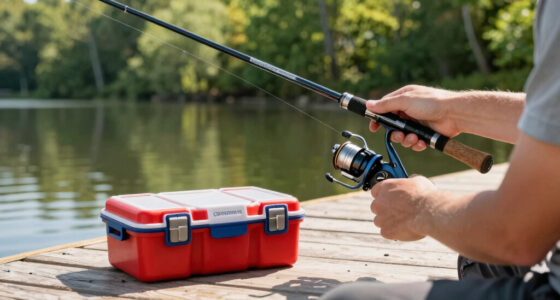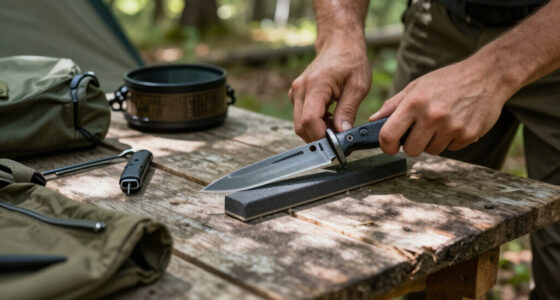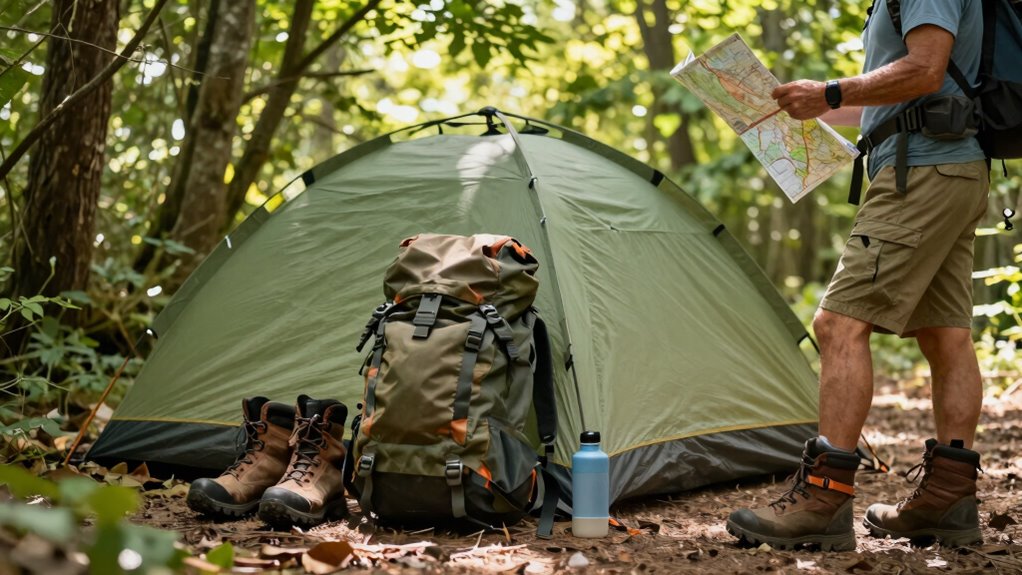
To build more reliable outdoor habits, focus on creating simple routines you can do every trip, like checking that your fire is fully out or securing trash before leaving. Use visual cues or checklists to remind yourself of safety steps. Practice these habits consistently to turn them into automatic responses, and reinforce them with reminders. Developing a conservation mindset keeps you motivated. Keep exploring these strategies to make your outdoor routines more effective and natural.

Get emergency and outdoor gear delivered free — and shop member deals
- Fast, free delivery on millions of items
- Access to Prime Big Deal Days deals on October 6–7
- Prime Video, Amazon Music and more included
Key Takeaways
- Break complex outdoor safety routines into simple, actionable steps and practice them regularly.
- Use visual cues, checklists, and reminders to reinforce consistent safety and conservation behaviors.
- Incorporate habits into your trips, such as checking fire safety and securing trash, before and after activities.
- Foster a conservation-minded mindset to motivate mindful interactions with wildlife and the environment.
- Repetition and routine help transform conscious efforts into automatic behaviors, enhancing reliability over time.
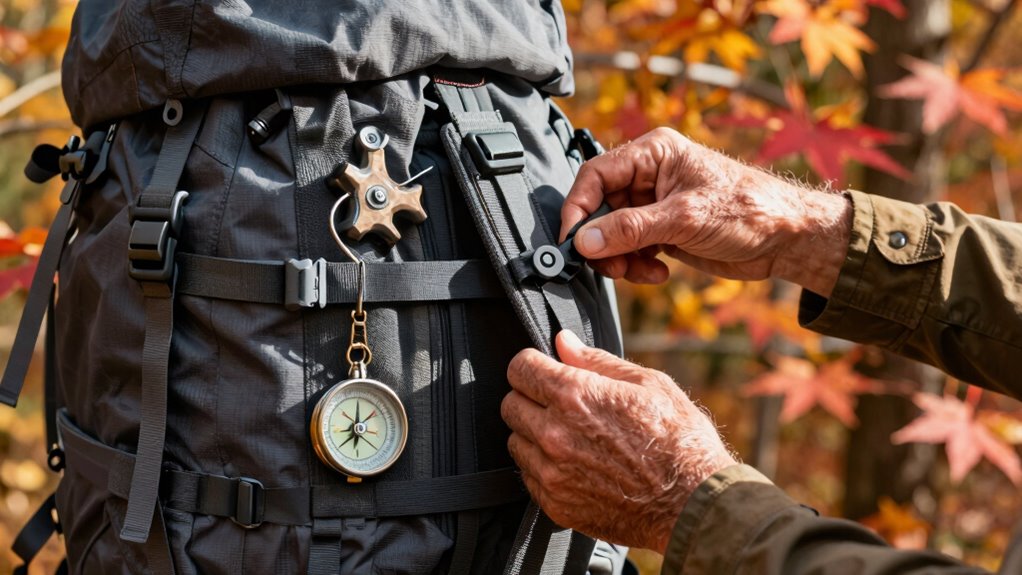
Have you ever wondered why some outdoor habits stick while others fade away? It’s often about how well you prepare and how consistently you practice certain routines. Building reliable outdoor habits isn’t about overnight success; it’s about creating small, manageable actions that become second nature over time. For example, mastering campfire safety requires more than just knowing the basics. It’s about making a habit of always checking your fire’s size and ensuring it’s completely out before leaving. When you develop a routine of properly extinguishing your campfire, it becomes a natural part of every trip, reducing the risk of wildfires and ensuring safety for everyone. Likewise, being mindful of wildlife encounters means you start to automatically keep your distance and avoid tempting animals with food or trash. These small, consistent behaviors protect both you and the environment, and over time, they become ingrained in your outdoor routine.
To build these habits, start with clear, simple steps. Break down complex actions into easy-to-follow routines and practice them regularly. For instance, before starting a fire, check your surroundings for any flammable materials, gather your fire safety gear, and double-check that you’ve got water or a fire extinguisher nearby. Repeating these steps each time helps cement them into your behavior. The same applies to wildlife encounters: always store your food securely, keep a respectful distance, and stay alert for animals. Repetition transforms these actions from conscious effort into automatic responses. Over time, they’ll become instinctive, making your trips safer and more enjoyable. Developing a conservation-minded mindset can further reinforce these habits by reminding you of the importance of protecting natural habitats and wildlife. Incorporating habit-forming techniques such as visual cues or routine checklists can also enhance your ability to maintain these safety practices consistently. Recognizing the value of environmental awareness can motivate you to stay committed to these routines and deepen your outdoor experience. Understanding the impact of your actions can inspire more mindful behavior in outdoor settings, which is especially crucial as your outdoor experiences become more frequent and diverse.
Consistency is key. The more often you practice these habits, the more natural they become. You can also reinforce your routines by setting reminders or creating checklists for each trip. For example, before you leave camp, run through your safety procedures—double-checking your fire is out, your trash is secured, and wildlife safety measures are in place. These routines don’t have to be complicated; they just need to be performed consistently. As you do, you’ll notice that your outdoor habits become more reliable, allowing you to focus on the experience rather than constantly worrying about safety or environmental impact. Building these habits takes time, but the payoff is undeniable: safer trips, healthier surroundings, and a deeper connection with the outdoors. The more you practice, the more these habits become part of your outdoor lifestyle, supporting you on every adventure.
As an affiliate, we earn on qualifying purchases.
Frequently Asked Questions
How Can I Stay Motivated During Inconsistent Weather Conditions?
To stay motivated during inconsistent weather, focus on motivational strategies like setting small, achievable goals and reminding yourself of your outdoor passions. Embrace weather resilience by preparing appropriate gear and adjusting your plans rather than canceling. Visualize the rewarding experiences afterward, which keeps your enthusiasm alive. Remember, adapting to weather conditions builds confidence and makes outdoor adventures more resilient, helping you stay committed no matter the forecast.
What Are Common Pitfalls That Break Outdoor Habits?
Ever wonder what sneaks up and breaks your outdoor habits? Common pitfalls include neglecting habit formation principles, like skipping consistent cues or rewards, and letting environmental factors sabotage your routine. Unpredictable weather, busy schedules, or lack of preparation can derail your progress. To stay resilient, adapt your habits to changing conditions, plan ahead, and reinforce your routines, so even when circumstances shift, your outdoor adventures remain steady and rewarding.
How Do I Balance Outdoor Activities With a Busy Schedule?
You can balance outdoor activities with a busy schedule by prioritizing outdoor time in your calendar and practicing good time management. Set small, consistent goals to build habit consistency, like a short walk or outdoor coffee break. Plan ahead and integrate outdoor activities into your daily routine, ensuring they become a natural part of your day. This approach helps you stay committed without feeling overwhelmed, making outdoor habits sustainable even during busy periods.
What Gear Is Essential for Building Reliable Outdoor Routines?
Gear selection guides your growth, granting you gadgets that garner greatness. Focus on essentials like a sturdy backpack, reliable footwear, versatile clothing, and safety gear such as a compass and first aid kit. Prioritize routine consistency by keeping your gear organized and ready to go, making each outing seamless. With the right gear, you’ll build confident, consistent outdoor routines, turning every trip into a trusted adventure you enthusiastically anticipate.
How Can I Track My Progress Effectively?
You can track your progress effectively by setting clear habit triggers, like packing your gear the night before or setting alarms. Use progress visualization tools, such as journaling or apps, to see your consistency and improvements over time. Regularly review these visuals to stay motivated and identify patterns. This approach keeps you focused, helps you adjust routines, and guarantees outdoor habits become reliable and ingrained with each trip.
As an affiliate, we earn on qualifying purchases.
Conclusion
By cultivating reliable outdoor habits, you’ll transform each trip into a seamless adventure. Think of it like planting a garden: the more consistently you tend to it, the more it flourishes. I once forgot my map on a hike, but because I’d practiced navigation skills regularly, I stayed confident and reached my destination. Small, dependable routines build a sturdy foundation, ensuring every outdoor experience is safer, more enjoyable, and ready for whatever surprises come your way.
As an affiliate, we earn on qualifying purchases.
As an affiliate, we earn on qualifying purchases.
Fall Picks
fall essentials
As an affiliate, we earn on qualifying purchases.