Smart preparedness begins with practice because it helps you turn knowledge into instinct, allowing you to act quickly and confidently in emergencies. When you regularly drill, your muscles develop muscle memory, and your mind becomes better at handling stress and unexpected situations. This continuous effort builds habits that keep you calm and effective when it matters most. Keep going, and you’ll discover how consistent practice can truly make a difference when every second counts.
Listen free for 30 days with Audible
Thousands of audiobooks and originals — cancel anytime.
As an affiliate, we earn on qualifying purchases.
Key Takeaways
- Practice builds muscle memory, enabling automatic, effective reactions during emergencies.
- Repetition reveals weaknesses in plans, allowing for timely improvements before real crises occur.
- Consistent drills enhance mental resilience and adaptability under stress.
- Habit formation through practice ensures quick, instinctive responses when seconds matter.
- Ongoing preparation solidifies skills, reducing hesitation and increasing overall safety and confidence.
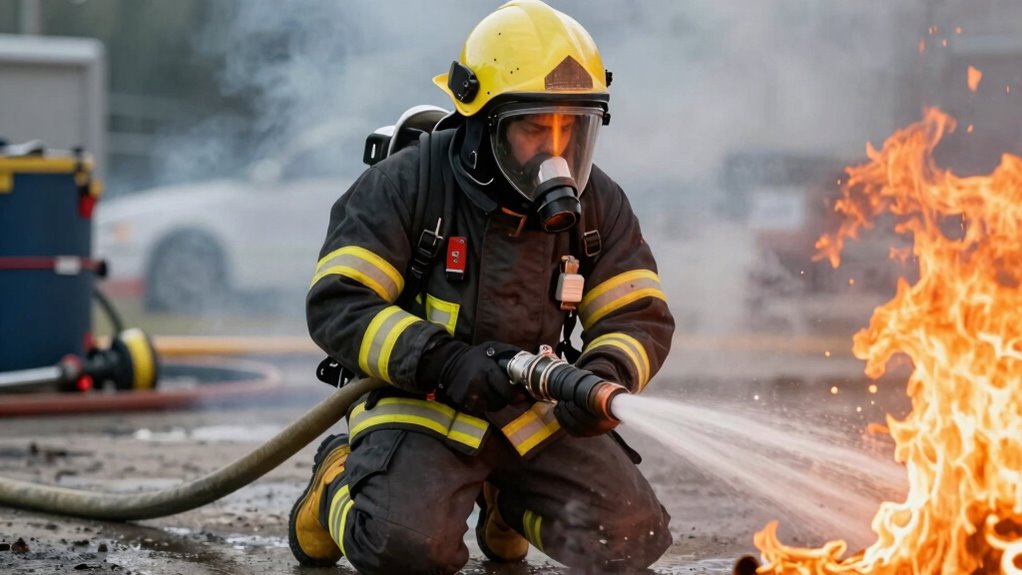
Preparation isn’t just about knowing what to do; it begins with consistent practice. When you regularly run emergency drills, you reinforce your ability to respond quickly and effectively during real crises. These drills aren’t just about memorizing steps—they’re about building muscle memory that takes over when panic sets in. The more you practice, the more natural your reactions become, helping you stay calm and focused when every second counts. Emergency drills serve as a critical tool in your preparedness arsenal, allowing you to identify weaknesses in your plan and correct them before an actual emergency occurs. Through repetition, you transform theoretical knowledge into practiced skill, making your response second nature.
But practice isn’t solely physical. Mental readiness plays an equally essential role. When you prepare mentally, you cultivate a mindset that’s adaptable and resilient. This mental toughness ensures that you don’t become overwhelmed or lose focus under stress. You learn to prioritize, make decisions quickly, and stay composed—traits that are indispensable during any emergency. Mental readiness isn’t a passive state; it’s something you develop through deliberate effort, reflection, and simulation. By visualizing different scenarios and mentally rehearsing your responses, you strengthen your ability to handle unforeseen situations. Building confidence through mental training complements your physical drills, creating a complete preparedness strategy that prepares you for the unpredictable. Additionally, understanding hive health and how to respond to threats can greatly improve your overall readiness when managing complex situations. Practicing stress management techniques can help maintain clarity and focus during high-pressure moments.
Developing muscle memory through regular practice is vital because it helps your body respond automatically under pressure. The key to smart preparedness is understanding that knowledge alone isn’t enough. It’s the repeated practice—both physically and mentally—that solidifies your skills and confidence. When you integrate emergency drills into your routine, you’re training your body to act instinctively. Simultaneously, cultivating mental readiness helps you stay calm and make clear decisions when chaos unfolds. This dual approach ensures you’re not just aware of what to do but are genuinely prepared to act swiftly and effectively. Consistent repetition is essential for reinforcing these habits and preventing complacency. Over time, these habits develop into a natural response, reducing hesitation and increasing your chances of successfully navigating any crisis. Remember, preparedness isn’t a one-time effort; it’s an ongoing process rooted in consistent practice, which ultimately makes you more resilient and capable when it matters most.
As an affiliate, we earn on qualifying purchases.
Frequently Asked Questions
How Often Should I Practice Emergency Drills?
You should practice emergency drills at least twice a year to keep your fire safety skills sharp and guarantee everyone knows the communication plan. Regular practice helps identify gaps and reduces panic during real emergencies. If you have a larger group or complex plans, consider quarterly drills. Consistent practice makes responses faster and more effective, giving you confidence to handle unexpected situations calmly and safely.
What Are Common Mistakes During Preparedness Practice?
Ever wonder what trips people up during preparedness practice? You might overlook conducting a thorough risk assessment or misallocate resources, which hampers your response. Common mistakes include rushing through drills, neglecting to update plans, or assuming everyone knows their role. To improve, focus on realistic scenarios, guarantee clear communication, and regularly review your resource allocation, so your team is prepared for any situation.
How Can I Involve My Family in Preparedness Exercises?
You can involve your family in preparedness exercises by turning them into fun, engaging activities that promote family bonding. Use communication strategies like clear instructions and active listening to guarantee everyone understands their role. Encourage participation by assigning specific tasks, making it a team effort. Practicing together regularly helps build confidence, improves coordination, and strengthens your family’s ability to respond effectively during emergencies, creating a safer, more connected household.
What Equipment Is Essential for Effective Practice Sessions?
For effective practice sessions, you need essential emergency gear like flashlights, first aid kits, and batteries. Incorporate these into your practice routines to make sure everyone knows how to use them confidently. Regular drills involving emergency gear help identify gaps and improve response times. By practicing with the actual equipment, your family becomes better prepared, confident, and ready to handle real emergencies swiftly and safely.
How Do I Measure My Preparedness Progress?
Think of your progress as a river carving its path; you’ll see your mental resilience deepen as challenges flow by, and community coordination strengthen when you sync efforts smoothly. You measure your preparedness by tracking how confidently you handle unexpected situations and how well your team responds. Keep a journal of drills, note improvements, and gather feedback. Over time, these signs reveal your journey from readiness to resilience, steady and unstoppable.
first aid and survival practice drills
As an affiliate, we earn on qualifying purchases.
As an affiliate, we earn on qualifying purchases.
Conclusion
Remember, real preparedness begins with practice. Just knowing what to do isn’t enough—you need to regularly rehearse it. Did you know that people who practice emergency procedures are 70% more likely to respond effectively when disaster strikes? By incorporating routine drills into your life, you’ll build confidence and reduce panic in critical moments. So, make practice a priority—because being prepared isn’t just about knowing; it’s about doing.
disaster preparedness practice tools
As an affiliate, we earn on qualifying purchases.
As an affiliate, we earn on qualifying purchases.
mental resilience training for emergencies
As an affiliate, we earn on qualifying purchases.
As an affiliate, we earn on qualifying purchases.
Flea & tick season Picks
flea and tick prevention
As an affiliate, we earn on qualifying purchases.