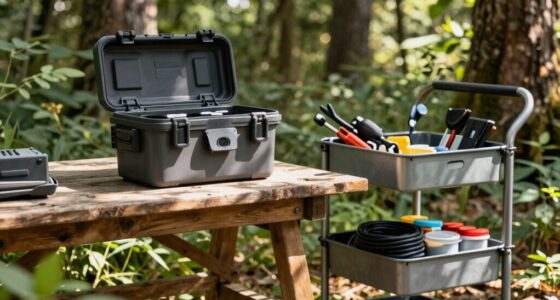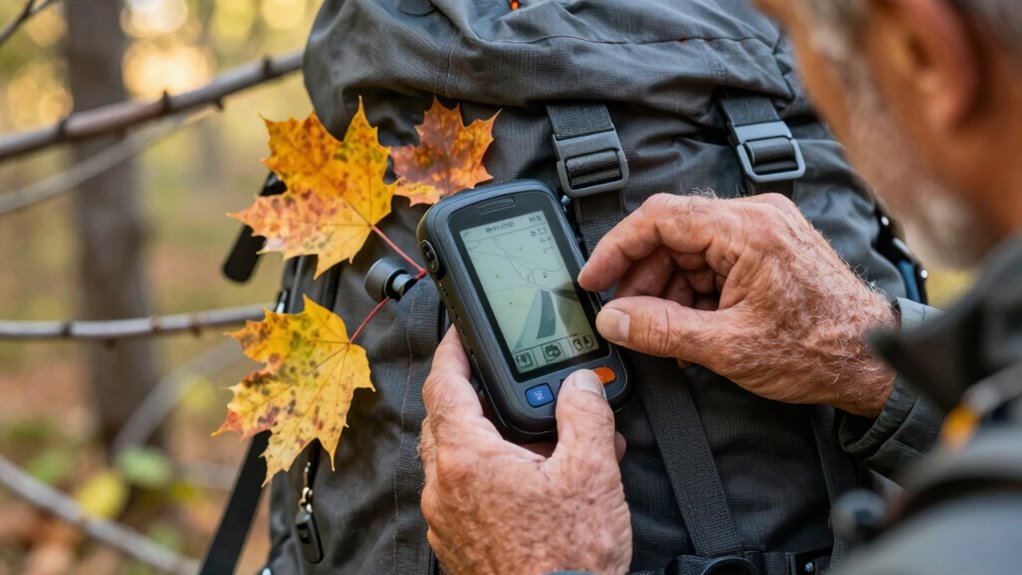

Before trusting new outdoor tech, you should practice understanding and setting up your gear at home. Test emergency devices like satellite communicators or beacons, and simulate rescue scenarios to build confidence. Troubleshoot potential issues, such as charger problems or device faults, and develop backup plans. Manage battery life carefully and guarantee your equipment performs reliably over extended use. If you want to know more tips to stay prepared, there’s plenty to learn about perfecting your tech skills.

Get emergency and outdoor gear delivered free — and shop member deals
- Fast, free delivery on millions of items
- Access to Prime Big Deal Days deals on October 6–7
- Prime Video, Amazon Music and more included
Key Takeaways
- Familiarize yourself with manuals and tutorials, then set up and operate equipment confidently outdoors.
- Test emergency devices and practice sending distress signals in controlled scenarios.
- Simulate urgent situations, including shelter setup and emergency communication, to build confidence.
- Troubleshoot potential issues and identify alternatives to ensure seamless operation.
- Manage battery life and power sources through regular practice to prevent failures in remote conditions.
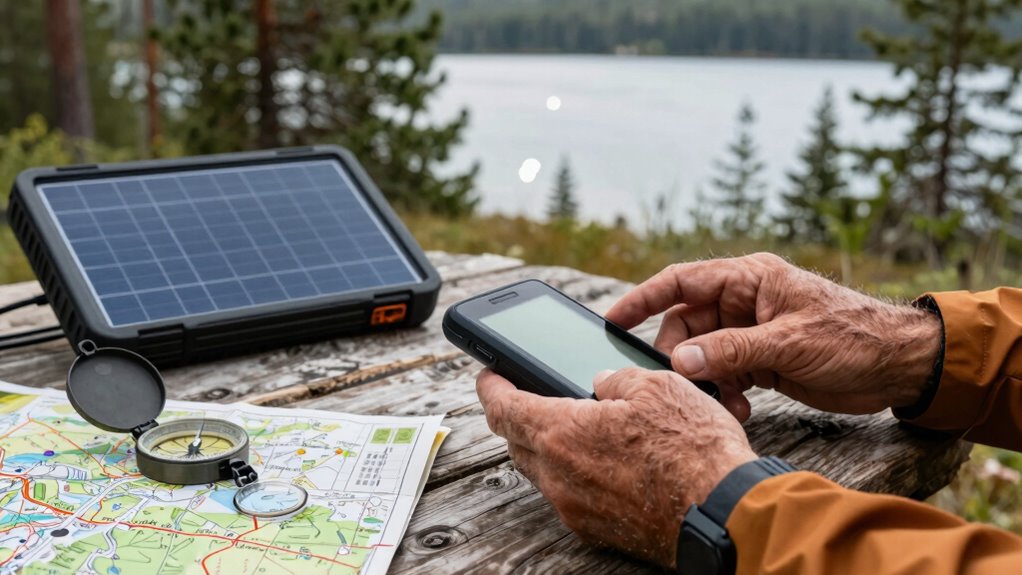
Before heading into the wilderness with new outdoor tech, it’s vital to practice using it first. Gaining equipment familiarity ensures you won’t be fumbling or wasting time trying to figure out how things work when you’re miles from civilization. Whether it’s a GPS device, a portable solar charger, or a new tent, spend time understanding all the features and functions. Read the manuals, watch tutorials, and set up the gear at home before your trip. This way, when you’re outdoors, you’ll know exactly how to operate each piece confidently, reducing stress and the risk of mishaps.
Practicing with your new outdoor tech isn’t just about knowing how to turn it on; it’s about integrating it into your routine so it becomes second nature. For example, if you’re using a satellite communicator or emergency beacon, test it thoroughly to make certain it works properly and that you understand the process of sending a distress signal. This familiarity is vital for emergency preparedness, especially in remote areas where help might be hours or even days away. Knowing how to quickly activate and communicate through your device can make all the difference in critical moments. Likewise, familiarize yourself with backup plans—what to do if your tech fails or runs out of power—to avoid panic or confusion during emergencies.
Test your emergency devices thoroughly and practice using backup plans to stay prepared in critical moments.
In addition to operational knowledge, practicing your new gear allows you to identify potential issues beforehand. For instance, if your solar charger doesn’t hold a charge or your tent’s setup seems complicated, you can troubleshoot or find alternatives before your trip. This proactive approach minimizes surprises when you’re in the field and helps you develop confidence in your equipment. Remember, the goal of practicing is to guarantee seamless use, so you’re not distracted or delayed when it matters most. Understanding the importance of contrast ratio can help you choose equipment that performs well in varying lighting conditions, ensuring reliable visibility in diverse environments.
Finally, incorporate emergency preparedness into your practice sessions. Simulate scenarios where you might need to rely on your equipment urgently. Practice sending a GPS location to rescue services, using your emergency beacon, or setting up your shelter quickly. These exercises reinforce your understanding and build your confidence, so you won’t panic if a real emergency arises. The time you invest now in practicing and familiarizing yourself with your new outdoor tech will pay off during your adventure, making your trip safer, more enjoyable, and less stressful. Additionally, understanding the importance of battery life can help you select gear that maintains performance over extended periods, especially in remote locations.
satellite communicator for camping
As an affiliate, we earn on qualifying purchases.
As an affiliate, we earn on qualifying purchases.
Frequently Asked Questions
How Often Should I Test New Outdoor Tech Before a Trip?
You should test new outdoor tech at least a few times before your trip to guarantee tech durability and build user familiarity. Use it in conditions similar to those you’ll face outdoors, like rain or cold, to see how it performs. Repeated testing helps you understand its features and limitations, reducing surprises on your trip. Aim for at least 2-3 sessions, so you’re confident and comfortable with the gear when it matters most.
What Safety Precautions Are Recommended When Practicing With New Gear?
When practicing with new gear, prioritize safety by using wearable safety features like GPS trackers or emergency communication devices. Always test these tools in familiar settings before heading into the wilderness to guarantee they work properly. Carry backup power sources and familiarize yourself with emergency protocols. This way, if an emergency arises, you can quickly activate your wearable safety devices and communicate effectively to get help when needed.
Can I Use New Tech in Extreme Weather Conditions During Practice?
You shouldn’t push your new outdoor tech in extreme weather until you’re confident in its weather durability and equipment compatibility. Remember, “better safe than sorry,” so test it in milder conditions first. If the tech is rated for harsh weather, then use it carefully during extreme conditions. Always follow manufacturer guidelines, and be prepared to switch to reliable traditional gear if conditions become too severe.
How Do I Troubleshoot Common Issues With Outdoor Tech During Practice?
You should start troubleshooting outdoor tech issues by checking device calibration first, ensuring sensors and displays are accurate. If problems persist, examine the battery longevity, replacing or recharging batteries as needed. Keep your device updated with the latest firmware, and reset it if necessary. Regularly test your tech during practice, so you’re familiar with its behavior and can quickly identify and resolve issues during actual outdoor adventures.
Is There a Recommended Training Program for Mastering New Outdoor Equipment?
Think of mastering outdoor equipment as tuning a finely crafted instrument. Start with a structured training program that emphasizes equipment calibration and thoroughly studying the user manual. Practice regularly in controlled environments, gradually increasing difficulty. Seek expert advice or workshops tailored to your gear. This approach guarantees you’re not just playing the right notes but truly harmonizing with your new outdoor tech before hitting the trail.
portable solar charger for outdoor
As an affiliate, we earn on qualifying purchases.
As an affiliate, we earn on qualifying purchases.
Conclusion
Just like a sailor learns to read the stars before trusting them to guide their journey, you should master new outdoor tech before relying on it in the wild. Practice, test, and understand its limits—don’t let unfamiliar tools become uncharted waters. When you’re confident in your equipment, you’re better prepared for surprises and safer in the unknown. Remember, the true adventure begins not just with discovery, but with mastery over your gear.
As an affiliate, we earn on qualifying purchases.
As an affiliate, we earn on qualifying purchases.
Halloween Picks
halloween
As an affiliate, we earn on qualifying purchases.