
Just like shelter protects you and provides stability, water planning guarantees you have safe, reliable access to clean water. Without proper management, water sources can be depleted or contaminated, risking health and daily life. Investing in water conservation, rain harvesting, and smart demand management helps prevent shortages and supports sustainable living. When you understand why water planning is crucial, you’ll see how it’s essential for your well-being and community resilience. Keep exploring to see how you can make a difference.
Key Takeaways
- Water is essential for life, health, and sanitation, making its sustainable management as critical as adequate shelter.
- Proper water planning prevents shortages and supports resilient communities, just like secure shelter does for safety.
- Integrating water management into urban and environmental policies ensures long-term sustainability and quality of life.
- Water conservation and harvesting reduce dependence on external sources, similar to building resilient shelter structures.
- Equitable access to clean water and shelter are fundamental human rights that require equal prioritization in planning efforts.
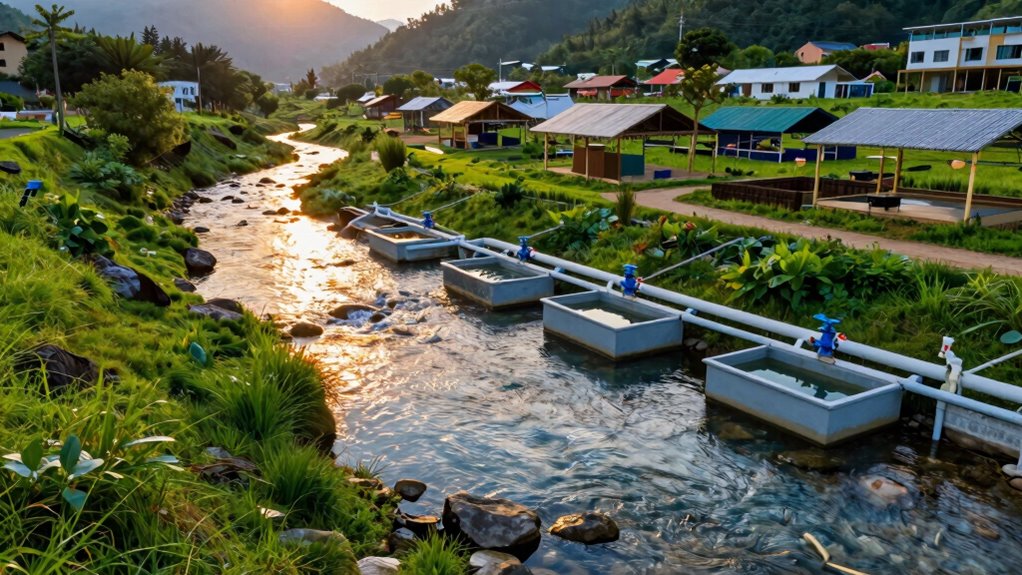
Water planning is essential because it guarantees we use our water resources efficiently and sustainably. Without proper planning, we risk depleting critical supplies that are fundamental for daily life, agriculture, and ecosystems. One effective way to improve water management is through rainwater harvesting. By capturing rainwater from rooftops and other surfaces, you can supplement your water supply and reduce dependence on municipal sources. This simple yet powerful technique not only conserves water but also eases the pressure on local water systems, especially during dry seasons. Integrating rainwater harvesting into your water planning creates a more resilient approach that adapts to changing climate conditions and unpredictable rainfall patterns. Additionally, understanding local water availability helps identify potential shortages before they occur, enabling proactive measures to ensure a steady supply.
Rainwater harvesting boosts sustainability, eases water system pressure, and adapts to climate changes efficiently.
Alongside rainwater harvesting, adopting water conservation strategies is foundational. These strategies include fixing leaks promptly, using water-efficient appliances, and practicing mindful water usage. When you implement such measures, you considerably lower your water footprint. Every drop saved contributes to a larger collective effort that protects water resources for future generations. Water conservation isn’t just about individual actions; it’s about fostering a culture that values and prioritizes sustainable use. This mindset shift is essential because water is a limited resource, and its mismanagement leads to shortages, increased costs, and ecological damage. Moreover, public awareness plays a crucial role in encouraging communities to participate in water-saving practices and support sustainable policies. Promoting understanding of water resource management can further empower communities to make informed decisions about their water use. Developing community-driven initiatives and educational programs can significantly enhance water conservation efforts at the local level.
Effective water planning also involves understanding local water availability and demand patterns. You need to assess how much water you use and identify areas where waste occurs. This might mean adjusting irrigation schedules, upgrading infrastructure, or adopting new technologies that maximize efficiency. By doing so, you guarantee that water is allocated wisely, reducing waste and preventing shortages. Planning ahead allows communities and individuals to prepare for periods of drought or increased demand, avoiding crisis situations and ensuring reliable access.
Furthermore, water planning should be integrated into broader environmental and urban development policies. It’s not enough to focus solely on immediate needs; long-term sustainability is key. Collaboration among government agencies, businesses, and residents creates a complete approach that supports water security. When you prioritize water planning on par with shelter, you acknowledge its fundamental role in health, safety, and economic stability. By investing in strategies like rainwater harvesting and water conservation, you help secure a future where water is available, clean, and abundant for everyone.
As an affiliate, we earn on qualifying purchases.
Frequently Asked Questions
How Does Water Planning Impact Economic Development?
Water planning impacts economic development by ensuring reliable water access, which supports businesses and agriculture. When you implement fair water pricing, you encourage responsible usage and generate funds for infrastructure investment. This investment upgrades water systems, reduces shortages, and attracts new industries. Ultimately, effective water planning creates a stable environment, boosts productivity, and sustains growth, proving essential for long-term economic prosperity.
What Are the Main Challenges in Implementing Water Planning?
You face challenges like water scarcity and inconsistent policy enforcement when implementing water planning. Water scarcity limits available resources, making it hard to meet demand. Meanwhile, weak policy enforcement hampers efforts to regulate usage and protect water sources effectively. You must navigate these issues by strengthening policies and promoting sustainable practices, ensuring water plans are practical and enforceable. Overcoming these challenges is essential to securing water for future needs and maintaining community resilience.
How Can Communities Improve Water Conservation Efforts?
You can improve water conservation efforts by boosting water awareness in your community through education and outreach programs. Support or initiate conservation campaigns that encourage mindful water use, like fixing leaks, using water-efficient appliances, and watering plants early or late. Engaging neighbors and local organizations helps spread the message, making conservation a shared goal. Small daily actions, combined with increased awareness, can considerably reduce water waste and protect this essential resource.
What Role Does Technology Play in Water Planning?
Technology acts like a helpful guide, leading your water planning efforts with precision. Smart sensors monitor water usage in real-time, helping you identify leaks and inefficiencies early. Data analytics analyze this information, revealing patterns and trends that inform smarter decisions. Together, these tools make water management more effective, ensuring resources are conserved and planning is proactive rather than reactive. You can optimize water use and prevent waste with these technological advancements.
How Does Water Planning Address Climate Change Risks?
Water planning tackles climate change risks by improving water quality and boosting drought resilience. You’ll find that it involves evaluating future climate impacts, developing sustainable water sources, and implementing conservation measures. These strategies help communities withstand droughts, reduce pollution, and adapt to changing rainfall patterns. By prioritizing water management, you’re ensuring a reliable supply, protecting ecosystems, and strengthening resilience against climate-related challenges.
As an affiliate, we earn on qualifying purchases.
Conclusion
Just like shelter provides safety and comfort, water sustains life and health. Without proper water planning, your home’s foundation feels fragile—vulnerable to droughts, contamination, and shortages. You wouldn’t build a house without a sturdy roof; don’t overlook water’s role in your well-being. When you prioritize water planning, you’re not just conserving a resource—you’re securing your future. Because, in the end, water is as essential as shelter—each one supports your survival in its own crucial way.
As an affiliate, we earn on qualifying purchases.
As an affiliate, we earn on qualifying purchases.