When you plan winter trips, you need a different technology mindset because harsh conditions can drain batteries, block signals, and hide hazards. You must actively familiarize yourself with your devices, set waypoints, and stay informed about weather and safety alerts. Relying solely on traditional maps isn’t enough in snow-covered mountains. Embracing and understanding your tech tools enhances your safety and navigation. Keep going to discover how to master this essential approach for a safer adventure.

Get emergency and outdoor gear delivered free with Prime
- Fast, free delivery on millions of items
- Prime Video, Amazon Music and more included
- Member-only deals all year
Key Takeaways
- Cold temperatures can rapidly drain device batteries, requiring extra power sources and proactive device management.
- Snow and dense forests can weaken or block GPS signals, necessitating backup navigation methods.
- Weather conditions and avalanche risks demand real-time data interpretation for safe decision-making.
- Remote areas often lack cellular coverage, making satellite communication devices essential for safety.
- Adapting to unpredictable winter weather requires a proactive, technology-informed approach to ensure safety.
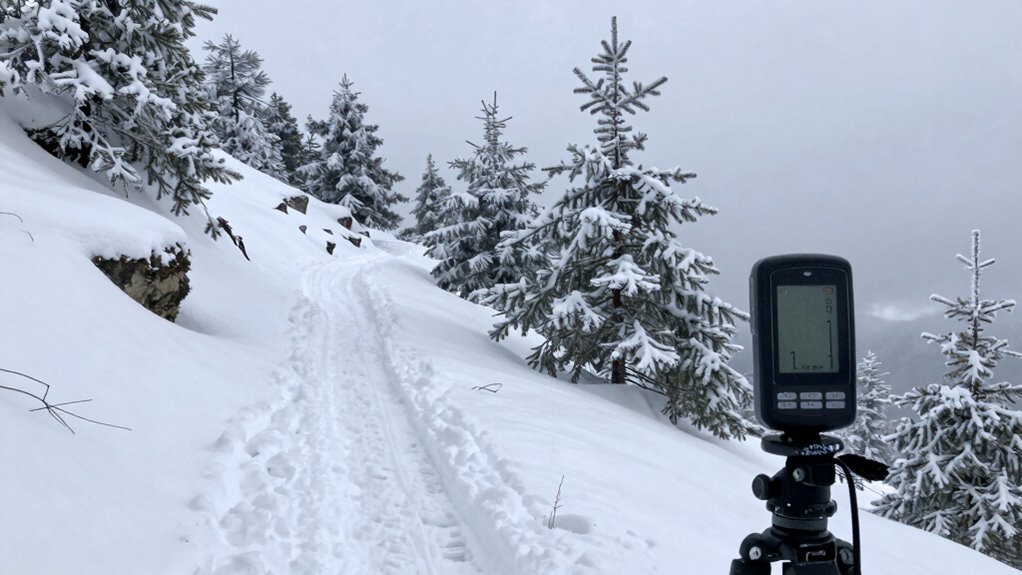
Winter trips have become more convenient and enjoyable thanks to advancements in technology. But with these improvements come a need for a different technology mindset. When you venture into snowy terrains, your safety depends on how well you understand and utilize these tools. Snow safety becomes a top priority, and staying on the right path can mean the difference between a memorable adventure and a dangerous situation. Relying solely on intuition isn’t enough in winter conditions. Sharp, clear decision-making supported by the right technology is essential.
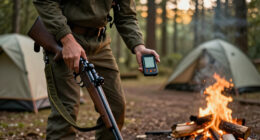
GPS navigation is one of the most critical tools you should have in your winter trip kit. Unlike traditional maps, GPS devices and smartphone apps provide real-time location data, helping you navigate through snow-covered trails or unfamiliar areas. But it’s not just about having the device; you need to understand how to use it efficiently. Cold weather can drain batteries quickly, so always carry extra power sources or portable chargers. Setting waypoints and familiarizing yourself with the device’s features before heading out ensures you’re prepared when conditions become challenging. Keep in mind that GPS signals can sometimes be blocked or weakened by heavy snow or dense forests, so it’s wise to have backup navigation methods. Incorporating advanced GPS technology can further improve accuracy and reliability in challenging conditions.
GPS is essential for winter safety; understand its use and carry backups in challenging conditions.
Snow safety involves more than just avoiding avalanches or getting lost; it’s about understanding how winter conditions alter your usual approach to safety. Snow can obscure trails, hide hazards, and dramatically change the landscape, forcing you to adapt your plans. Technology helps in this regard by providing weather updates, avalanche forecasts, and real-time alerts. Using this information, you can make smarter decisions about when to proceed or turn back. Embracing a technology mindset means staying informed and proactive, rather than reactive. Recognizing the importance of snow safety education can significantly reduce risks during winter excursions. Additionally, understanding weather prediction accuracy can help you better prepare for sudden changes in conditions. Being aware of potential signal disruptions can help you plan alternative communication strategies to stay connected when needed. Incorporating essential emergency communication devices** such as satellite phones or personal locator beacons enhances your safety net in remote areas**.
You should also consider the importance of communication devices, like satellite phones or emergency beacons, especially when venturing into remote areas. These tools act as your lifeline if something goes wrong. Relying on technology in winter trips requires a mindset shift—your safety depends on your ability to interpret data, adapt quickly, and use your devices effectively. It’s about recognizing that technology isn’t just a luxury; it’s an essential part of your safety strategy. By integrating these tools into your planning and execution, you increase your chances of having a safe, enjoyable winter adventure.
As an affiliate, we earn on qualifying purchases.
Frequently Asked Questions
How Can I Protect My Devices From Extreme Cold?
To protect your devices from extreme cold, you should start with device insulation—wrap your gadgets in insulating sleeves or keep them in insulated containers. Keep spare batteries and power banks warm, as cold drains their charge faster. Carry emergency power sources, like portable chargers, to guarantee your devices stay functional. Additionally, avoid exposing devices directly to the cold for extended periods, and store them in a warm, sheltered spot whenever possible.
What Are the Best Battery-Saving Tips for Winter Trips?
Think of your device’s battery like a delicate flame that needs careful tending. To maximize battery longevity, dim your screen brightness and turn on power-saving modes. Close unused apps and disable Bluetooth or Wi-Fi when not needed. These small acts act as gentle winds, helping your device conserve energy, ensuring power optimization so your device lasts longer through your winter adventures.
How Should I Waterproof My Electronics for Snowy Conditions?
To waterproof your electronics for snowy conditions, use thermal cases that insulate against cold and help prevent moisture buildup. Additionally, apply moisture barriers like silicone or waterproof sleeves to protect against snow and dampness. Make sure all openings are sealed tightly and consider using desiccant packs inside your gear to absorb any residual moisture. These steps keep your electronics dry, functional, and ready for winter adventures.
Are There Specific Apps Recommended for Winter Outdoor Safety?
You should use apps like Gaia GPS or AllTrails for winter outdoor safety, as they offer reliable navigation tools tailored for snowy conditions. These apps help you stay oriented with detailed maps and GPS features, even when visibility drops. Pair your phone with proper winter gear, like waterproof cases or portable chargers, to make certain your navigation tools keep working. Always plan ahead and download offline maps before heading into remote, snowy areas.
How Do I Prevent Condensation Damage to Devices Indoors?
To prevent condensation damage to your devices indoors, you should focus on device insulation and moisture control. Keep your devices in a room with stable temperature and avoid sudden temperature changes. Use silica gel packs or moisture-absorbing materials nearby to reduce humidity. Elevate devices off cold surfaces, and guarantee proper ventilation. These steps help maintain ideal conditions, protecting your electronics from harmful condensation and extending their lifespan during winter.
satellite communication device for outdoor safety
As an affiliate, we earn on qualifying purchases.
As an affiliate, we earn on qualifying purchases.
Conclusion
As winter’s icy grip tightens, your technology must become a trusty compass, guiding you safely through the snow-covered wilderness. Think of your gadgets as warm flames in a cold forest—powerful, reliable, and essential. Embrace the mindset shift, adapting your tools like a seasoned explorer adjusting to the terrain. With the right technology, you’ll navigate winter’s icy labyrinth with confidence, turning frosty challenges into adventures you’ll remember long after the snow melts away.
portable power bank for cold weather
As an affiliate, we earn on qualifying purchases.
As an affiliate, we earn on qualifying purchases.
As an affiliate, we earn on qualifying purchases.
Halloween Picks
halloween
As an affiliate, we earn on qualifying purchases.