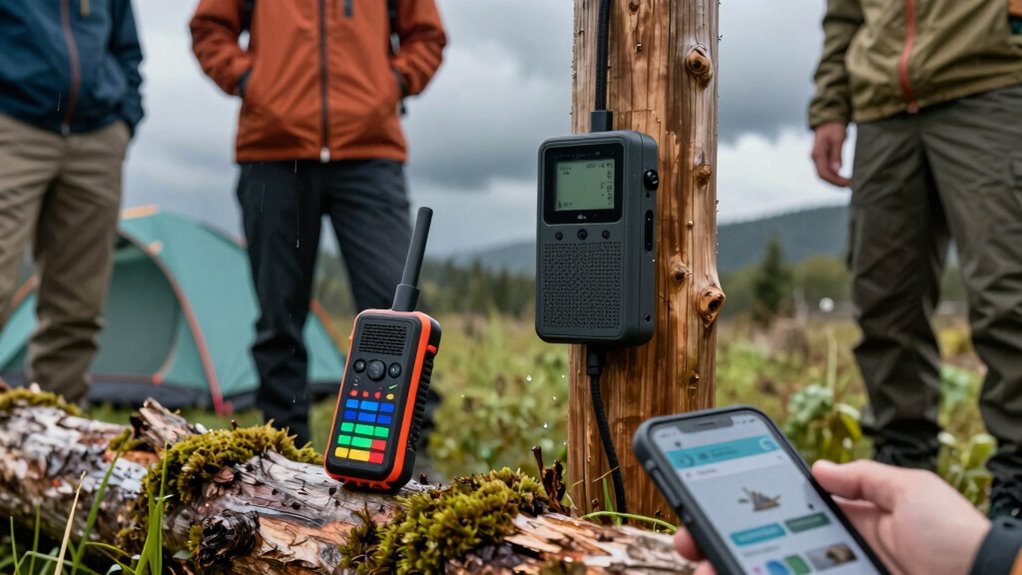
As a camper, understanding modern emergency weather tools is key to staying safe. These tools provide real-time, hyper-local updates about sudden storms, high winds, or flash floods. They use GPS to give accurate alerts tailored to your location, helping you act quickly. Trustworthy sources guarantee the information is reliable, so you can make informed decisions. If you want to discover how to boost your safety with the latest tech, keep exploring the options available.

Get emergency and outdoor gear delivered free — and shop member deals
- Fast, free delivery on millions of items
- Access to Prime Big Deal Days deals on October 6–7
- Prime Video, Amazon Music and more included
Key Takeaways
- Modern tools provide real-time, hyper-localized weather alerts to help campers stay safe from sudden storms or hazards.
- Interpreting alert details like severity and duration aids in making informed safety decisions.
- Advanced features like GPS ensure accurate, location-specific weather updates, especially in remote areas.
- Reliable data quality and source credibility are crucial for trusting alerts and avoiding false alarms.
- Customizable alerts enhance preparedness by notifying campers about relevant hazards based on their location.
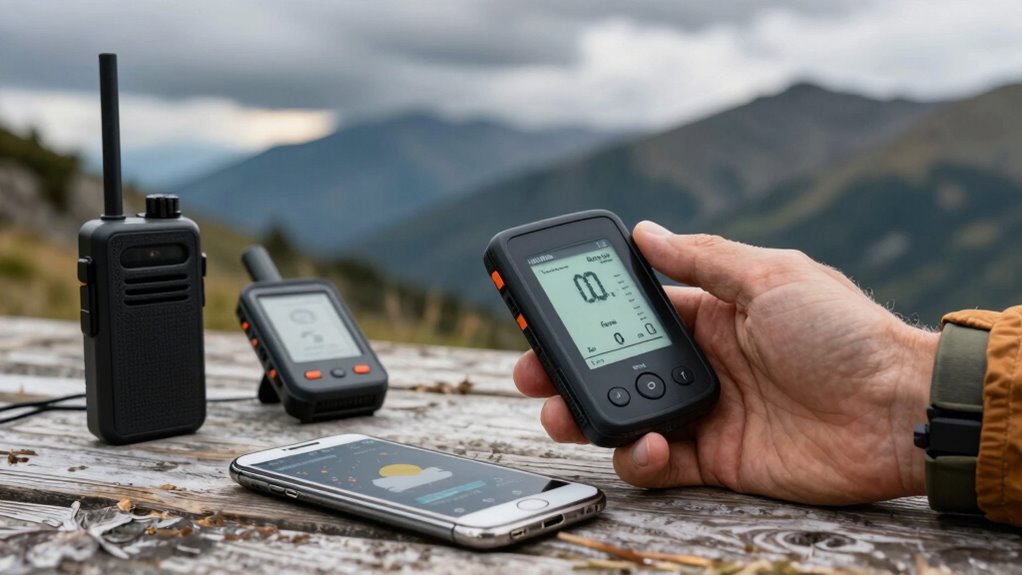
When you’re out camping, unpredictable weather can quickly turn a peaceful outdoor adventure into a dangerous situation. That’s why understanding and utilizing modern emergency weather tools is essential for your safety. Today’s technology offers a range of options that keep you informed and prepared for any sudden changes in weather conditions. Weather alerts are the backbone of these tools, providing real-time updates directly to your devices. Whether it’s a sudden storm, high winds, or a flash flood, these alerts notify you immediately so you can take appropriate action. Many weather apps allow you to customize alerts based on your location and specific weather concerns, ensuring you’re only notified about relevant hazards. This proactive notification system helps you avoid surprises that could compromise your safety.
Safety preparedness hinges on your ability to interpret and respond to weather alerts effectively. Modern emergency weather tools don’t just send notifications; they also provide detailed information about the nature of the threat, including expected severity and duration. This allows you to make informed decisions about whether to seek shelter, pack up, or adjust your plans. Some advanced devices incorporate GPS technology, which can pinpoint your exact location and deliver hyper-localized weather updates. This is especially useful when you’re in remote areas where traditional weather coverage might be limited. With these tools, you don’t have to rely solely on general forecasts; you get tailored, real-time data that enhances your situational awareness. Additionally, understanding the contrast ratio of weather information can help you better interpret the clarity and reliability of the alerts you receive. Recognizing the accuracy of your weather data ensures you can trust the alerts for timely decision-making. Incorporating understanding of weather data presentation can further improve your ability to quickly grasp critical information at a glance. Being aware of the reliability of your sources can also help you maintain trust in the alerts provided during your outdoor activities. Moreover, staying informed about the source credibility of weather updates can prevent misinterpretations that might lead to unnecessary alarm or complacency.
emergency weather alert device for camping
As an affiliate, we earn on qualifying purchases.
As an affiliate, we earn on qualifying purchases.
Frequently Asked Questions
How Accurate Are Emergency Weather Alerts in Remote Areas?
Emergency weather alerts in remote areas can be quite accurate thanks to satellite communication and advanced weather pattern analysis. These tools enable real-time data transmission and precise forecasting, even far from urban centers. However, your accuracy depends on the quality of your device and signal strength. Always carry a reliable satellite communicator and stay updated with the latest alerts, ensuring you’re prepared for sudden weather changes during your camping trip.
Can Emergency Weather Tools Predict Localized Severe Weather Events?
Think of emergency weather tools as your vigilant lighthouse amid stormy seas. They use satellite imaging and storm tracking to predict localized severe weather events, giving you essential lead time. While no tool is perfect, these technologies improve forecast precision, helping you prepare for sudden storms. Stay alert, keep an eye on updates, and trust these modern tools to guide you safely through unpredictable weather on your camping adventure.
What Is the Battery Life of Portable Emergency Weather Devices?
Portable emergency weather devices typically last between 12 to 48 hours on a full charge, depending on the model and usage. Many feature solar charging options, so you can recharge them in sunlight, extending their life. Water resistance is common, allowing you to use them in rain or damp conditions without worry. To maximize battery life, turn off the device when not in use and keep it in a dry, sunny spot for charging.
Are There Weather Tools Suitable for All Climate Types?
Did you know that over 90% of modern weather tools are designed for climate adaptation across diverse environments? Yes, there are weather tools suitable for all climate types, whether you’re camping in arid deserts or rainy rainforests. These devices utilize advanced weather forecasting technology, ensuring you stay informed. So, no matter where you go, you can rely on tailored tools that meet the specific demands of each climate, keeping you safe.
How Often Should I Update or Calibrate Emergency Weather Equipment?
You should update or calibrate your emergency weather equipment regularly, typically following the manufacturer’s calibration schedules, which are often every 6 to 12 months. Regular device maintenance ensures accuracy and reliability during critical moments. Check your equipment periodically for signs of wear or damage, and perform calibration or updates as recommended. Staying proactive with calibration schedules helps guarantee your weather tools provide precise information when you need it most.
personal weather station with GPS
As an affiliate, we earn on qualifying purchases.
As an affiliate, we earn on qualifying purchases.
Conclusion
Staying safe in the wilderness hinges on your ability to understand and trust modern emergency weather tools. These devices are your lifeline, providing essential updates when you need them most. Don’t let the unpredictable nature of weather catch you off guard—think of these tools as your trusty compass in a storm. Remember, knowing the forecast isn’t just helpful; it’s your best defense against nature’s surprises. Stay informed, stay safe, and let technology guide your adventure.
portable weather radio with real-time alerts
As an affiliate, we earn on qualifying purchases.
As an affiliate, we earn on qualifying purchases.
hyper-local weather app for outdoor activities
As an affiliate, we earn on qualifying purchases.
As an affiliate, we earn on qualifying purchases.
Fall Picks
fall essentials
As an affiliate, we earn on qualifying purchases.