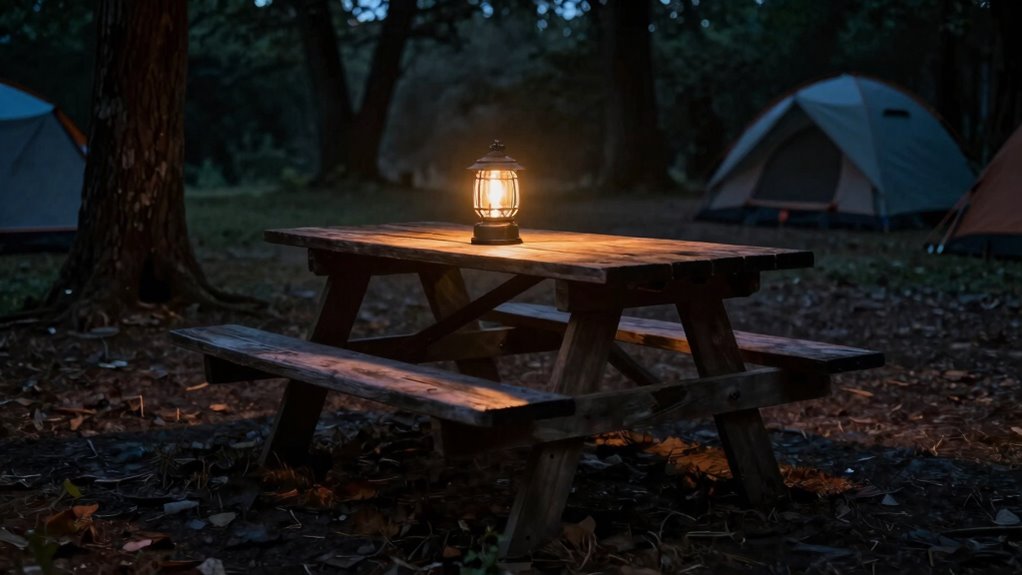
Proper camp lighting is essential because it directly affects your safety by improving visibility and helping you spot hazards like uneven ground or wildlife. It guarantees you can keep an eye on fires and equipment to prevent accidents or fires. Good lighting also reduces shadows, making your surroundings clearer and safer. By maintaining your gear and designing effective lighting setups, you create a secure environment. Keep exploring to uncover more ways lighting makes your camping safer and more enjoyable.
Listen free for 30 days with Audible
Thousands of audiobooks and originals — cancel anytime.
As an affiliate, we earn on qualifying purchases.
Key Takeaways
- Proper lighting improves visibility, helping detect hazards and preventing trips, falls, and accidents during nighttime camping.
- Well-maintained lighting enables early detection of fire risks like sparks or smoke, enhancing fire safety.
- Strategic lighting around cooking and common areas reduces shadows, minimizing potential injury or mishaps.
- Regular equipment checks ensure reliable lighting, preventing malfunctions that could compromise safety.
- Innovative lighting designs and solutions create a secure environment, reducing hazards and promoting safer outdoor experiences.
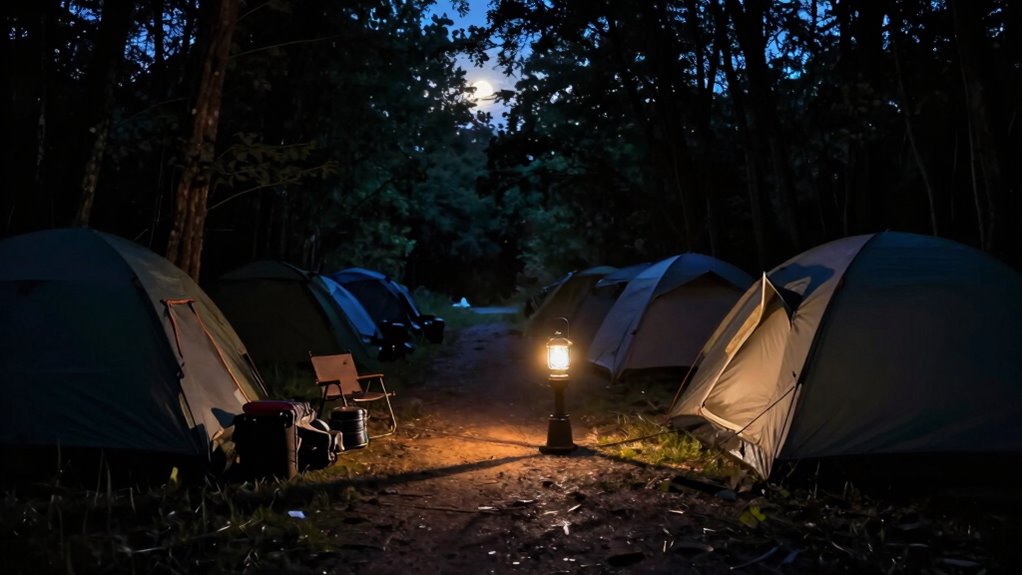
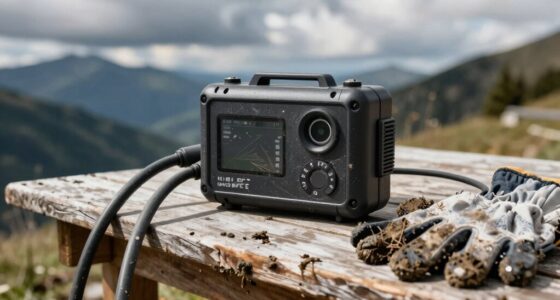
Have you ever wondered how to keep your campsite safe and well-lit after sunset? Proper lighting isn’t just about convenience; it plays a vital role in guaranteeing your safety while you’re out in the wilderness. When it gets dark, visibility drops, and hazards become less noticeable, which can lead to accidents or injuries. That’s why choosing the right camp lighting is essential. A well-lit campsite helps you spot potential dangers like uneven ground, fallen branches, or wildlife nearby. It also makes it easier to navigate back to your tent or vehicle, reducing the risk of trips and falls.
Proper camp lighting enhances safety by improving visibility and helping you avoid hazards after sunset.
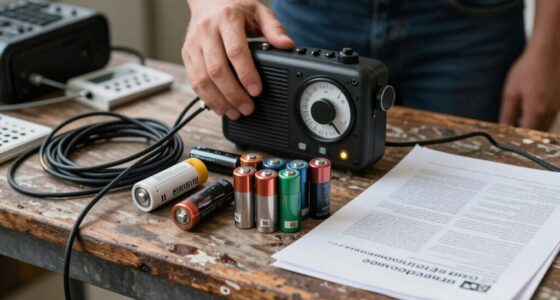
But beyond visibility, lighting has a direct impact on fire safety. Many campers underestimate the importance of keeping a close eye on fire pits, lanterns, or any open flames. Good lighting allows you to monitor your fire at all times, preventing it from spreading unintentionally. It also helps you spot smoke or sparks early, giving you the chance to act quickly if something goes wrong. Proper equipment maintenance is key here. Regularly checking your lanterns, headlamps, and other lighting devices ensures they’re functioning correctly and don’t pose a fire hazard. Faulty equipment can lead to leaks, sparks, or flames that ignite nearby dry leaves or tents, so it’s worth inspecting your gear before setting out. Incorporating lighting maintenance into your camp prep can significantly reduce safety risks.
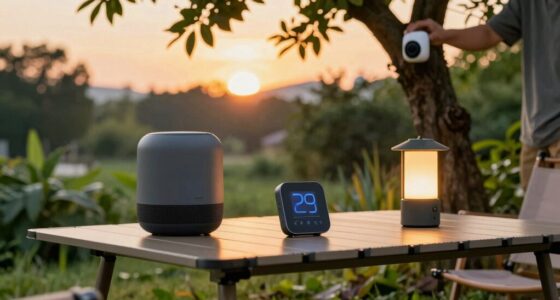
Having reliable lighting isn’t just about illumination; it’s also about safety protocols. For example, installing lights around your cooking area not only helps you cook more safely but also keeps you aware of your surroundings, preventing accidental fires. When you maintain your equipment, you diminish the risk of malfunctioning lights that might leave you in the dark when you need them most. Plus, well-maintained gear lasts longer and performs better, so investing a little time in equipment maintenance pays off during your trip. Additionally, understanding neural interfaces and how future tech innovations can enhance safety can be beneficial as technology advances in outdoor gear. Incorporating outdoor lighting solutions that are eco-friendly and sustainable can further increase safety and ambiance on your trip. Proper lighting design can also improve overall visibility and reduce shadows, making your campsite safer at night.
In essence, your choice of camp lighting influences safety more than you might realize. It’s about creating a secure environment where you can enjoy your outdoor experience without unnecessary risks. Good lighting enhances visibility, supports fire safety, and encourages regular equipment upkeep, all of which contribute to a safer, more enjoyable camping trip. When you prioritize proper lighting and gear upkeep, you’re not just making things more convenient—you’re actively protecting yourself and your fellow campers from potential hazards that could otherwise turn a fun adventure into a dangerous situation. Properly maintaining your equipment can also extend the lifespan of your gear, ensuring you’re always prepared for the next outdoor adventure.
camping lanterns with adjustable brightness
As an affiliate, we earn on qualifying purchases.
As an affiliate, we earn on qualifying purchases.
Frequently Asked Questions
How Bright Should Camp Lighting Be for Safety?
You should aim for camp lighting that provides at least 50 to 100 lumens for general safety, ensuring you can see clearly around your campsite. For emergency preparedness, have brighter lights or headlamps with 200+ lumens ready. Incorporate reliable camping gear like lanterns and flashlights, and keep spare batteries on hand. Proper lighting helps prevent accidents and keeps you prepared for unexpected situations, making your camping experience safer and more enjoyable.
What Are the Best Types of Lights for Outdoor Safety?
You should choose durable LED flashlights and headlamps for outdoor safety, providing powerful, focused beams to illuminate your path. For a cozy campfire ambiance, string solar-powered fairy lights or decorative lanterns add charm while ensuring visibility. These lights are reliable, energy-efficient, and versatile, helping you navigate safely at night and creating a warm, inviting atmosphere around your campsite.
Can Improper Lighting Cause Wildlife Disturbances?
Improper lighting can definitely cause wildlife disruption, especially affecting nocturnal behavior. When you use bright or poorly directed lights, you disturb animals that are active at night, making them feel unsafe or forcing them to change their natural patterns. This disruption can lead to stress, decreased survival chances, and habitat imbalance. To avoid this, use gentle, focused lighting and keep lights at a minimum, respecting wildlife and preserving their natural nocturnal activities.
How Often Should Camp Lights Be Checked or Replaced?
You should check your camping gear lights before each trip and replace batteries or bulbs as needed. Regular light maintenance guarantees your campsite stays safe and well-lit, preventing accidents in dark areas. Always carry spare batteries or backup lights to avoid unexpected failures. By staying on top of lighting checks, you create a safer environment, making your camping experience more enjoyable and worry-free.
Are Solar-Powered Lights as Reliable as Battery-Powered Ones?
You might find solar-powered lights surprisingly dependable, but their solar reliability can fluctuate with weather, while battery longevity often offers consistent brightness regardless of conditions. Solar options are eco-friendly and cost-effective, but batteries tend to last longer in unpredictable weather. For dependable safety lighting, consider your environment and choose wisely: solar for sunny areas, batteries where weather is less predictable. Your safety depends on it.
LED headlamps for camping safety
As an affiliate, we earn on qualifying purchases.
As an affiliate, we earn on qualifying purchases.
Conclusion
Remember, your campsite’s glow guides your group safely through the dark, dodging dangers and detours. Proper lighting isn’t just about illumination; it’s about ensuring everyone’s safety, preventing potential problems before they appear. With the right rays, you reduce risks and reignite reassurance in your outdoor adventure. So, seize your source of shine, set it strategically, and stay safe in the shadows. Shine smart, stay secure, and savor your spectacular, safe camping experience!
outdoor campsite lighting solutions
As an affiliate, we earn on qualifying purchases.
As an affiliate, we earn on qualifying purchases.
As an affiliate, we earn on qualifying purchases.
Fall Picks
fall essentials
As an affiliate, we earn on qualifying purchases.