
The best ultralight backpacking gear balances carry weight with comfort, weather protection, and ease of use. My best overall pick is the MSR PocketRocket 2, a compact stove that keeps a useful cooking setup simple; the TOAKS Titanium 750 ml Pot is a strong match for solo meals, while the Nitecore NU20 Classic stands out for a lightweight lighting kit. The main tradeoff is that saving ounces can mean giving up insulation, structure, or convenience, and a light item may not reduce your total pack weight if it prompts extra accessories. I compare all 15 picks by their role in a practical kit, along with the compromises that matter on trail. Read on for the full breakdown and advice on choosing gear that fits your route and packing style.

Get emergency and outdoor gear delivered free with Prime
- Fast, free delivery on millions of items
- Prime Video, Amazon Music and more included
- Member-only deals all year
Key Takeaways
The lineup’s strongest weight-saving strategy is choosing compact, purpose-built essentials, such as the PocketRocket 2 and NU20 Classic, rather than trimming ounces from every item at the expense of usability.
Sleep comfort creates the biggest tradeoff: the FUN PAC, TREKOLOGY UL R7, and Gear Doctors Ether pads differ in cushioning and insulation priorities, so the lightest-feeling setup may not suit cold sleepers or rough campsites.
The 750 ml TOAKS pot and long-handle titanium spork suit a simple solo kitchen, but their small scale is less practical for shared meals or cooking more than one portion at a time.
Two chairs appear in the roundup, but camp comfort adds weight and bulk; the Naturehike YL08’s anti-sink feet target soft ground, while the ONETIGRIS Tigerblade offers a different folding-chair option.
Several small accessories solve different problems rather than replacing one another: dry bags organize and protect packed items, the trowel supports responsible backcountry waste practices, and a headlamp is more useful than a lantern when hands-free movement matters.
| PLACHIDAY 3-in-1 Ultralight Backpacking Trowel, Orange |  | Best Ultralight Waste-Management Tool | Brand: PLACHIDAY | Tool type: 3-in-1 backpacking trowel | Weight: 1.6 ounces | VIEW LATEST PRICE | See Our Full Breakdown |
| TOAKS Titanium 750 ml Camping Pot | 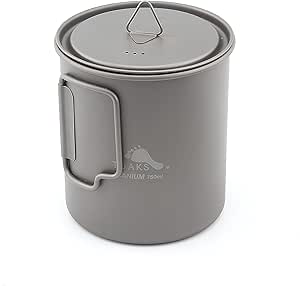 | Best Compact Solo Cook Pot | Brand: TOAKS | Model: POT-750 | Material: Uncoated titanium | VIEW LATEST PRICE | See Our Full Breakdown |
| FUN PAC Ultralight Inflatable Camping Sleeping Pad with Built-In Pillow and Foot Pump, Single, Green | 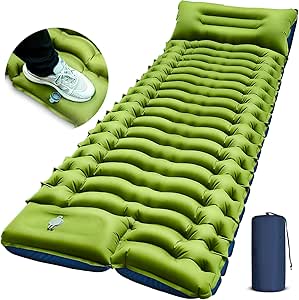 | Best Integrated Sleep Setup | Configuration: Single | Inflated dimensions: 78 x 27 x 3 inches | Material: 40D nylon and TPU | VIEW LATEST PRICE | See Our Full Breakdown |
| TREKOLOGY UL R7 Insulated Camping Sleeping Pad, 4-Inch, Blue |  | Best for Cold-Weather Insulation | Brand and model: TREKOLOGY UL R7 | Dimensions: 70.8 x 24 x 4 inches | Weight: 2 lbs (900 g) | VIEW LATEST PRICE | See Our Full Breakdown |
| Lightweight Compact Adult Sleeping Bag for Backpacking, Camping, and Hiking |  | Best for Warm-Weather Minimalists | Occupancy: 1 person | Weight: 1.5 lb | Packed size: 4.7 x 7.9 inches | VIEW LATEST PRICE | See Our Full Breakdown |
| ECOOPRO Warm Weather Sleeping Bag, 83 x 30 Inches |  | Best for Warm-Weather Minimalists | Weight: 1.5 lb | Dimensions: 83 × 30 in | Comfort temperature: 55–60°F | VIEW LATEST PRICE | See Our Full Breakdown |
| FLEXTAILGEAR Zero Portable LED Camping Lantern |  | Best Compact Camp Light | Weight: 1.6 oz | Maximum output: 300 lumens | Light modes: Camp (3000K) and spot (9000K) | VIEW LATEST PRICE | See Our Full Breakdown |
| MSR PocketRocket 2 Ultralight Camping Stove |  | Best Fast-Boiling Canister Stove | Stove weight: 2.6 oz | Weight with case: 4.2 oz | Fuel type: Isobutane-propane canister | VIEW LATEST PRICE | See Our Full Breakdown |
| TiTo Titanium Long-Handle Camping Spork |  | Best for Freeze-Dried Meal Bags | Material: 99.5% food-grade titanium | Weight: 16 g (0.57 oz) | Dimensions: 8.66 × 1.6 × 1.6 in | VIEW LATEST PRICE | See Our Full Breakdown |
| Gear Doctors Ether Ultralight Camping Sleeping Pad |  | Best Lightweight Spring-and-Summer Pad | Weight: 17.5 oz | Packed size: 8.6 × 3.1 in | Inflated dimensions: 76 × 25 in | VIEW LATEST PRICE | See Our Full Breakdown |
| Frelaxy Ultralight Waterproof Dry Bags, 5-Pack |  | Best for Gear Organization | Number of bags: 5 | Capacities: 3L, 5L, 10L, 15L, and 20L | Material: 210T tear-resistant polyester | VIEW LATEST PRICE | See Our Full Breakdown |
| Hikenture Ultralight Inflatable Camping Pillow with Removable Cover |  | Best for Comfort-Conscious Minimalists | Weight: 5.6 oz | Dimensions: 12.2 × 17.3 in | Thickness: 4.7 in | VIEW LATEST PRICE | See Our Full Breakdown |
| Naturehike YL08 Ultralight Camping Chair with Anti-Sink Feet |  | Best for Soft Campsites | Frame material: 7075 aluminum alloy | Seat material: 600D Oxford fabric with side mesh panels | Weight: 2.12 lb chair alone; 2.43 lb with anti-sink feet | VIEW LATEST PRICE | See Our Full Breakdown |
| ONETIGRIS Tigerblade Folding Camping Chair |  | Best for Higher Weight Capacity | Frame material: 7075 aluminum alloy | Fabric material: 600D polyester | Weight: 2.9 lb (1.34 kg) | VIEW LATEST PRICE | See Our Full Breakdown |
| Nitecore NU20 Classic Ultralight Headlamp, 360 Lumens |  | Best Ultralight Headlamp | Maximum brightness: 360 lumens | Beam distance: 119 yards | Weight: 1.34 oz | VIEW LATEST PRICE | See Our Full Breakdown |
| ultralight backpacking gear | Weight |
|---|---|
| PLACHIDAY 3-in-1 Ultralight Ba | 1.6 ounces |
| TOAKS Titanium 750 ml Camping | 3 oz (86 g); 3.6 oz (103 g) with lid |
| FUN PAC Ultralight Inflatable | — |
| TREKOLOGY UL R7 Insulated Camp | 2 lbs (900 g) |
| Lightweight Compact Adult Slee | 1.5 lb |
| ECOOPRO Warm Weather Sleeping | 1.5 lb |
| FLEXTAILGEAR Zero Portable LED | 1.6 oz |
| MSR PocketRocket 2 Ultralight | — |
| TiTo Titanium Long-Handle Camp | 16 g (0.57 oz) |
| Gear Doctors Ether Ultralight | 17.5 oz |
| Frelaxy Ultralight Waterproof | — |
| Hikenture Ultralight Inflatabl | 5.6 oz |
| Naturehike YL08 Ultralight Cam | 2.12 lb chair alone; 2.43 lb with anti-sink feet |
| ONETIGRIS Tigerblade Folding C | 2.9 lb (1.34 kg) |
| Nitecore NU20 Classic Ultralig | 1.34 oz |
More Details on Our Top Picks
PLACHIDAY 3-in-1 Ultralight Backpacking Trowel, Orange
At 1.6 ounces, this trowel adds little weight for hikers who want a dedicated tool for digging and waste disposal. Its rubber ergonomic grip is a practical distinction from packing a basic improvised digging tool: it gives you a more secure hold when working with it. Compared with the TOAKS Titanium 750 ml Camping Pot, which earns space through cooking utility and nesting, the PLACHIDAY serves a narrower but important camp-hygiene task. The aluminum-alloy body is described as rust- and corrosion-resistant, while the blade is listed as high-carbon steel. The tradeoff is limited capability: it is specified for light excavation, not demanding digging. The listed dimensions also look incomplete, so I would not rely on them to judge how it will pack.
Pros:- Weighs just 1.6 ounces.
- Ergonomic rubber handle is designed for a non-slip grip.
- Made for digging, waste disposal, and light excavation.
- Compact design is intended to stow in a backpack.
Cons:- Described for light excavation, so it may not suit heavier digging.
- Listed dimensions of 0.1 x 0.1 x 1 inches may be incomplete or inaccurate.
Best for: Backpackers who want a very light, dedicated trowel for waste disposal and routine camp digging.
Not ideal for: Hikers expecting to dig in hard, rocky ground or those who need verified dimensions before planning a tight gear setup.
- Brand:PLACHIDAY
- Tool type:3-in-1 backpacking trowel
- Weight:1.6 ounces
- Body material:Aluminum alloy
- Blade material:High-carbon steel
- Handle material:Rubber
- Grip:Ergonomic
- Color:Orange
Our verdict“Choose this trowel for a lightweight, dedicated camp-hygiene tool, but not for heavy-duty digging.”
TOAKS Titanium 750 ml Camping Pot
The TOAKS pot makes the most sense for solo hikers who want cooking capacity without carrying a heavier, larger pot. It weighs 3 ounces without the lid and 3.6 ounces with it; the 750 ml usable capacity suits compact meals and hot drinks rather than cooking for a group. Internal measurement marks help portion water without a separate measuring cup, while foldable handles and the fitted lid make the pot easier to pack and handle. Its ability to nest a TOAKS 450 ml cup, a 110 g fuel canister, or a 32 oz Nalgene bottle gives it a packing advantage over the FUN PAC sleeping pad, which has no comparable nesting function. The tradeoff is that the uncoated titanium pot is a focused solo-cooking piece, not a versatile shared kitchen vessel.
Pros:- Light titanium construction weighs 3 ounces before adding the lid.
- Internal milliliter and ounce marks support measured cooking.
- Foldable handles and fitted lid make it practical to pack and use.
- Nests several common camp items, including a 110 g fuel canister.
Cons:- 750 ml usable capacity is best suited to compact solo cooking.
- Uncoated titanium may not suit buyers seeking a coated pot surface.
Best for: Solo backpackers building a compact cook kit who value low pot weight, measurement marks, and nesting.
Not ideal for: Pairs or group cooks who need more capacity, or hikers who prefer a coated cooking surface.
- Brand:TOAKS
- Model:POT-750
- Material:Uncoated titanium
- Usable capacity:750 ml
- Weight:3 oz (86 g); 3.6 oz (103 g) with lid
- Dimensions:3 3/4 in (94 mm) diameter x 4 3/8 in (110 mm) height
- Features:Internal ml and oz gradation marks; foldable handles; fitted lid
- Included components:Lid and mesh storage sack
Our verdict“Pick the TOAKS for a light, nestable solo cook pot, and look elsewhere if you regularly cook for more than one.”
FUN PAC Ultralight Inflatable Camping Sleeping Pad with Built-In Pillow and Foot Pump, Single, Green
The FUN PAC combines a sleeping pad, built-in pillow, and foot pump in one single-person setup, which may reduce the number of separate pieces a backpacker needs to pack. Its 78 x 27-inch surface and 3-inch thickness offer a roomy platform, and side buttons let you connect another pad if you want a wider shared sleep area. Compared with the TREKOLOGY UL R7, this model adds a built-in pump and pillow, while the TREKOLOGY instead provides a stated 7.2 R-value and 4-inch thickness for colder conditions. The FUN PAC’s 40D nylon and TPU construction is described as hard-wearing and easy to clean, but the supplied information gives no R-value, so I would not choose it based on a specific cold-weather insulation need. Inflation can take up to a minute, and the single configuration still serves one sleeper at a time.
Pros:- Built-in pillow and foot pump combine useful sleep-system features.
- Inflated dimensions provide a 78 x 27-inch sleeping surface.
- Side buttons allow connection to another pad.
- 40D nylon and TPU construction is described as hard-wearing and easy to clean.
Cons:- Inflation may take 30–60 seconds.
- No R-value is provided for comparing insulation needs.
- Single-pad configuration provides sleeping space for one person.
Best for: Backpackers who want a single sleep pad with an integrated pillow and foot pump to limit separate gear.
Not ideal for: Cold-weather campers who need a stated insulation rating or hikers who want a two-person pad in one piece.
- Configuration:Single
- Inflated dimensions:78 x 27 x 3 inches
- Material:40D nylon and TPU
- Inflation:Built-in foot pump; 30–60 seconds
- Deflation:Approximately 1 second
- Shape:Rectangular
- Color:Green
- Warranty:1 year
Our verdict“Choose the FUN PAC for an integrated pad-and-pillow setup, but favor the TREKOLOGY UL R7 when a stated high R-value matters more.”
TREKOLOGY UL R7 Insulated Camping Sleeping Pad, 4-Inch, Blue
The UL R7 stands apart from the FUN PAC by prioritizing insulation and cushioning over an integrated pillow and pump. Its stated R-value of 7.2 and 4-inch thickness make it the stronger choice here for campers seeking a pad suited to all-season use. At 2 pounds, it is not the lightest sleep option in an ultralight kit, but the product data says it packs to about the size of a water bottle, easing storage in a loaded pack. The 24-inch width gives more room than a narrow minimalist mat, while the 70.8-inch length is recommended for sleepers up to 5 feet 11 inches. Inflation requires blowing it up by mouth or using a separate pump bag, which is not included; that leaves the FUN PAC as the more self-contained option.
Pros:- Stated 7.2 R-value supports cold-weather use.
- Four-inch thickness and 24-inch width provide a cushioned sleeping surface.
- Water-resistant 40D ripstop nylon with TPU coating.
- Supports a maximum weight of 330 pounds.
Cons:- Weighs 2 pounds, a notable load for an ultralight kit.
- No built-in pump, and the separate pump bag is not included.
- Recommended for sleepers up to 5 feet 11 inches.
Best for: Backpackers who prioritize a high stated R-value and 4-inch cushioning for cold-weather trips, and whose height fits the recommended length.
Not ideal for: Weight-focused hikers seeking the lightest possible pad, taller sleepers, or anyone who wants an included pump.
- Brand and model:TREKOLOGY UL R7
- Dimensions:70.8 x 24 x 4 inches
- Weight:2 lbs (900 g)
- R-value:7.2
- Maximum weight capacity:330 lbs (150 kg)
- Material:40D ripstop nylon with TPU coating
- Inflation:By mouth or separate pump bag; pump bag not included
- Recommended sleeper height:Up to 5 ft 11 in (180 cm)
Our verdict“Choose the UL R7 when insulation and cushioning outweigh low pack weight and a built-in pump.”
Lightweight Compact Adult Sleeping Bag for Backpacking, Camping, and Hiking
This sleeping bag suits hikers who want a simple, compact option for warm-weather trips or plan to add layers when temperatures drop. At 1.5 pounds and a packed size of 4.7 x 7.9 inches, it gives a clear weight-and-packability focus compared with the TREKOLOGY UL R7 sleeping pad, which weighs 2 pounds but supplies a stated R-value for insulation from the ground. The bag’s 50–80°F comfort range makes its limits easy to read: it is not a cold-weather bag on its own. Its 79 x 30-inch envelope shape accommodates users up to about 6 feet 7 inches, though the recommended user weight is under 165 pounds. The dual-side auto-lock zipper can open from either side, but the fabric may catch, so careful zipper handling matters.
Pros:- Weighs 1.5 pounds and packs to 4.7 x 7.9 inches.
- 79-inch length is designed for users up to about 6 feet 7 inches.
- Dual-side auto-lock zipper opens from inside or outside.
- Machine-washable construction supports straightforward care.
Cons:- 50°F lower comfort limit makes it a warm-weather choice unless layered.
- Recommended for users under 165 pounds.
- Fabric may catch in the zipper.
Best for: Backpackers under 165 pounds looking for a compact, light sleeping bag for warm nights and layered shoulder-season use.
Not ideal for: Cold-weather campers who need a bag rated below 50°F, or larger users outside the recommended weight range.
- Occupancy:1 person
- Weight:1.5 lb
- Packed size:4.7 x 7.9 inches
- Dimensions:79 x 30 inches
- Comfort temperature:50–80°F
- Shape:Envelope
- Shell and liner:Polyester microfiber shell; nylon liner
- Fill:Polyester microfiber, 100 gsm
- Recommended user limits:Up to approximately 6 ft 7 in tall; under 165 lb
Our verdict“Choose this bag for compact warm-weather trips if your size fits its recommendations; pick warmer-rated sleep insulation for colder nights.”
ECOOPRO Warm Weather Sleeping Bag, 83 x 30 Inches
At 1.5 pounds, this envelope-style bag is a lightweight choice for trips where nights stay warm and minimizing carried weight matters more than broad temperature coverage. Its 55–60°F comfort range makes it a different proposition from the Gear Doctors Ether sleeping pad: the pad offers a cushioned, spring-and-summer sleep surface, while this bag supplies limited warmth and should not be treated as cold-weather insulation. The waterproof nylon shell and compressible stuff sack suit compact packing, and the polyester lining keeps the design simple. It can also serve as a comforter at camp, adding flexibility for warm evenings. The tradeoff is a narrow temperature window and a single-person envelope shape; backpackers who expect cooler nights or want a more adaptable sleep system should look elsewhere.
Pros:- 1.5-pound weight supports a lighter sleep kit.
- Compresses into a carrying sack for compact packing.
- Waterproof nylon shell helps resist outside moisture.
- Can be used as a camping comforter.
Cons:- 55–60°F comfort range limits use to warm conditions.
- Envelope shape and one-person capacity offer less flexibility for shared use.
Best for: Solo backpackers on warm-weather trips who prioritize a low carry weight and want a bag that can also serve as a camp comforter.
Not ideal for: Backpackers expecting cool nights, needing a wider temperature range, or seeking a shared sleeping setup.
- Weight:1.5 lb
- Dimensions:83 × 30 in
- Comfort temperature:55–60°F
- Shape:Envelope
- Shell:Nylon
- Lining and fill:Polyester lining; polyester fill
- Capacity:1 person
- Packed height:11 in
Our verdict“Choose this bag for warm, weight-conscious solo trips, but pair it with a warmer option if nighttime temperatures may fall below its comfort range.”
FLEXTAILGEAR Zero Portable LED Camping Lantern
The FLEXTAILGEAR Zero earns its place for backpackers who want lantern and flashlight modes in one 1.6-ounce unit, rather than carrying separate lights. Its 300-lumen maximum is suited to close-up camp tasks and short-range visibility, but it cannot match the Nitecore NU20 Classic’s listed 360-lumen output. The adjustable brightness and stepless dimmer help conserve power when full output is unnecessary, while the folding hook gives it a simple way to hang inside shelter. An IPX5 rating and stated drop resistance add practical protection in wet or rough camp conditions. There is a real specification caveat: the description lists a rechargeable 1100mAh battery, but product information also says an AA battery is required. That inconsistency makes the power setup less clear than the USB-C charging claim suggests.
Pros:- Combines camp lantern and spotlight modes in a compact device.
- Stepless dimming allows finer brightness adjustment than fixed settings alone.
- IPX5 water resistance and drop-resistant ABS body suit outdoor use.
- Folding hook supports hanging the light in a tent or at camp.
Cons:- Maximum output of 300 lumens is below the listed 360 lumens of the Nitecore NU20 Classic.
- Battery information conflicts between rechargeable USB-C and AA descriptions.
- Stated runtime varies widely, from 3 to 35 hours, depending on use.
Best for: Backpackers who want a small, multipurpose camp light for tent lighting and nearby tasks, and who are comfortable verifying its battery configuration before a trip.
Not ideal for: Hikers who need a dependable high-output primary trail light or require unambiguous battery and runtime specifications.
- Weight:1.6 oz
- Maximum output:300 lumens
- Light modes:Camp (3000K) and spot (9000K)
- Brightness:10–300 lumens; four levels per mode and stepless dimming
- Battery:1100mAh rechargeable battery listed; AA requirement also stated
- Charging:USB-C; approximately 2.5 hours to full charge
- Runtime:3–35 hours
- Water resistance:IPX5
Our verdict“Pick it as a compact camp lantern and backup spot light, but clarify the battery setup before relying on it as your only light.”
MSR PocketRocket 2 Ultralight Camping Stove
For a backpacker who wants quick, straightforward cooking, the PocketRocket 2 combines a 2.6-ounce stove body with a stated one-liter boil time of about 3.5 minutes. That makes it a stronger fit for fast water boiling than the TiTo titanium spork, which helps with eating but does nothing to streamline meal preparation. The adjustable flame also supports simmering, so this is more flexible than a boil-only setup when meals need gentler heat. Folding serrated pot supports accommodate different cookware, and the stove needs no priming or preheating. Its ultralight advantage shrinks when the hard case brings the listed carry weight to 4.2 ounces, and the fuel canister is not included. It also depends on compatible isobutane-propane fuel, so it is not the choice for hikers seeking a self-contained or fuel-independent system.
Pros:- Stove weighs 2.6 ounces without the case.
- Boils one liter in about 3.5 minutes.
- Adjustable flame supports both boiling and simmering.
- Folding pot supports fit a range of cookware.
Cons:- Compatible isobutane-propane fuel canister is not included.
- Listed weight rises to 4.2 ounces with the hard shell case.
- Requires a compatible canister fuel system.
Best for: Solo or small-group backpackers who cook with compatible isobutane-propane canisters and value fast boiling with some simmer control.
Not ideal for: Hikers who want an all-in-one stove-and-fuel package, avoid canister systems, or count the hard case toward a strict weight limit.
- Stove weight:2.6 oz
- Weight with case:4.2 oz
- Fuel type:Isobutane-propane canister
- Boil time:About 3.5 minutes per liter
- Open dimensions:4.8 × 4.8 × 3.6 in
- Packed dimensions:2 × 2 × 3 in
- Included components:Stove and hard shell carry case
- Warranty:3-year limited warranty
Our verdict“Choose the PocketRocket 2 for fast, versatile canister cooking if you already plan to carry compatible fuel and can manage the added case weight.”
TiTo Titanium Long-Handle Camping Spork
The TiTo spork’s main advantage is its 8.66-inch handle: it reaches the bottom of deep meal bags and pots with less hand contact with food than a short utensil. At 0.57 ounces, it keeps that extra reach light, making it a practical small upgrade to a pared-down kit. Compared with the MSR PocketRocket 2, which reduces cooking time, this tool solves the less glamorous problem of eating from narrow containers without scraping knuckles along the rim. Its titanium construction is reusable and rust-resistant, and the included quick-drying bag keeps it separate from other gear. The tradeoff is that it is one utensil, not a set, and its long profile takes more packing space than standard flatware. Backpackers who mostly eat from plates or want compact multi-piece cutlery may prefer a shorter option.
Pros:- Long handle reaches into deep meal bags and pots.
- Titanium construction weighs 0.57 ounces.
- Rust-resistant and reusable for repeated trips.
- Includes a quick-drying storage bag and is dishwasher safe.
Cons:- Single-piece set provides only one utensil.
- Long handle is less compact than standard flatware.
- Spork form may be less suited to meals that call for separate utensils.
Best for: Solo backpackers who regularly eat freeze-dried meals from deep bags and want one lightweight, reusable utensil.
Not ideal for: Hikers who mostly eat from shallow dishes, need utensils for more than one person, or prioritize the smallest possible packed length.
- Material:99.5% food-grade titanium
- Weight:16 g (0.57 oz)
- Dimensions:8.66 × 1.6 × 1.6 in
- Pieces:1
- Included accessory:Quick-drying carrying bag
- Finish:Sandblasted
- Care:Dishwasher safe
Our verdict“Choose this spork if deep meal bags are a regular part of your menu and its longer packed shape is worth the reach.”
Gear Doctors Ether Ultralight Camping Sleeping Pad
The Ether pairs a 17.5-ounce carry weight with a 76-by-25-inch sleep surface, giving warm-season backpackers a roomy inflatable pad without a large packed bundle. Its R-value of 2 points to spring and summer use, not the broader insulation range suggested by the TREKOLOGY UL R7. For a lighter, less cold-oriented sleep kit, the Ether’s 3.35-inch edges and 2.36-inch center provide cushioning while its contoured layout is intended to suit side and back sleepers. The detachable foot pump avoids lung inflation, and the anti-leak valve, repair kit, and water-resistant TPU-coated nylon add useful field support. The tradeoff is seasonal: buyers expecting cold ground need a higher-R-value pad. The varying thickness may also feel different from a uniformly thick mattress, particularly for sleepers who prefer a flat surface.
Pros:- 17.5-ounce weight and compact packed dimensions suit backpacking.
- Detachable foot pump allows inflation without blowing into the pad.
- 76 × 25-inch surface offers room to sleep.
- Includes a repair kit and carry pouch.
Cons:- R-value of 2 is intended for spring and summer rather than colder ground conditions.
- Thickness varies between the edges and center.
- Requires inflation and carries a stated maximum capacity of 440 lb.
Best for: Warm-season backpackers who want a lightweight inflatable pad, a roomy sleep surface, and pump-assisted setup.
Not ideal for: Three-season or cold-weather hikers who need more ground insulation, or sleepers who prefer consistent thickness across the pad.
- Weight:17.5 oz
- Packed size:8.6 × 3.1 in
- Inflated dimensions:76 × 25 in
- Thickness:3.35 in at edges; 2.36 in at center
- Insulation value:R-value 2
- Material:20D nylon with water-resistant TPU coating
- Maximum capacity:440 lb
- Included components:Carry pouch, detachable pump, repair kit, and user guide
Our verdict“Choose the Ether for a light, pump-inflated warm-weather sleep setup, but select a higher-insulation pad such as the TREKOLOGY UL R7 for colder conditions.”
Frelaxy Ultralight Waterproof Dry Bags, 5-Pack
For backpackers who want one set to sort clothing, food, and small essentials, the five color-coded sizes make this more flexible than packing everything into a single liner. Capacities range from 3 to 20 liters, so I can match the bag to the load and spot its contents by color. The 9.6-ounce combined weight is a real addition to a minimalist kit, though carrying every bag may be less efficient than choosing only the sizes a trip needs. Taped seams and roll-top closures help shed rain, but these are not a substitute for submersion-proof protection. Compared with the compact TiTo Titanium Long-Handle Camping Spork, which trims weight from one small item, this set helps organize multiple categories of gear—but it takes more pack weight to do so.
Pros:- Five capacities from 3 to 20 liters accommodate different gear categories.
- Color coding makes contents easier to identify inside a pack.
- Taped seams and roll-top closures help protect gear from rain.
- Rectangular bases support space-efficient packing.
Cons:- The full set weighs 9.6 ounces, which may be excessive if only one or two sizes are useful.
- Not designed to protect contents during full submersion.
Best for: Backpackers who divide clothing, food, and small essentials into separate, easy-to-identify waterproof bags.
Not ideal for: Strict gram-counters who need only one dry bag, or paddlers who require gear protection during full submersion.
- Number of bags:5
- Capacities:3L, 5L, 10L, 15L, and 20L
- Material:210T tear-resistant polyester
- Closure:Roll-top
- Water resistance:Waterproof; avoid full submersion
- Combined weight:9.6 oz
- Construction features:Taped seams, rectangular base, and D-ring
Our verdict“Choose this set if you value flexible, color-coded organization more than carrying the fewest possible ounces.”
Hikenture Ultralight Inflatable Camping Pillow with Removable Cover
The Hikenture pillow gives backpackers a dedicated sleep-comfort upgrade without the bulk of a conventional pillow. At 5.6 ounces, its inflatable bladder packs down for travel, while adjustable firmness lets sleepers tune the feel rather than accept a fixed fill. The removable cover adds a softer cotton surface and can be hand-washed, a comfort advantage over relying on a rolled-up jacket—but it also adds care and packing steps. A one-click valve speeds inflation and deflation, though the pillow still needs to be inflated by mouth. Compared with the FUN PAC Ultralight Inflatable Camping Sleeping Pad, which includes a built-in pillow as part of a sleep surface, this is a separate item for people who want to adjust pillow placement independently. Skip it if every added ounce has to earn its place.
Pros:- 5.6-ounce inflatable design limits its weight in a sleep kit.
- Adjustable firmness allows sleepers to change the support level.
- Removable cover provides a softer surface and can be hand-washed.
- One-click valve supports quick inflation and deflation.
Cons:- Requires inflation by mouth.
- Cover is hand-wash only.
- Adds a separate item when some sleeping pads already include pillow support.
Best for: Backpackers who sleep poorly without a shaped pillow and want adjustable firmness plus a washable contact surface.
Not ideal for: Ultralight hikers who are comfortable using spare clothing as a pillow or want to avoid mouth inflation and hand-wash-only care.
- Weight:5.6 oz
- Dimensions:12.2 × 17.3 in
- Thickness:4.7 in
- Bladder material:Thickened TPU
- Cover material:Cotton surface with woven polyester lining
- Shape:Ergonomic curve
- Valve:One-click inflation and deflation
- Care:Hand wash only
Our verdict“Pick the Hikenture if a separate, adjustable pillow is worth more to your sleep setup than the extra item in your pack.”
Naturehike YL08 Ultralight Camping Chair with Anti-Sink Feet
The YL08 is a comfort-first extra for backpackers who still want a chair but regularly camp on sand or soft soil. Its detachable anti-sink feet address that terrain better than the standard-footed ONETIGRIS Tigerblade Folding Camping Chair, while the 7075 aluminum frame and under-15-second assembly keep setup relatively simple. The tradeoff is weight: the chair alone is 2.12 pounds, rising to 2.43 pounds with the feet, so it is a substantial luxury alongside essentials such as the TOAKS Titanium 750 ml Camping Pot. Side mesh panels and breathable fabric add comfort in warm conditions, and the 265-pound capacity suits many users but is lower than the Tigerblade’s stated limit. I would leave it behind on trips where every carried item must justify its mass.
Pros:- Detachable anti-sink feet help stabilize the chair on soft ground.
- 7075 aluminum frame balances a portable design with a stated 265-pound capacity.
- Internal bungee cord supports quick frame assembly.
- Side mesh panels and breathable fabric improve airflow.
Cons:- At 2.43 pounds with anti-sink feet, it is a heavy comfort addition for a minimalist kit.
- The stated 265-pound capacity is below the ONETIGRIS Tigerblade’s 330.6-pound limit.
Best for: Backpackers who prioritize a stable seat at sandy or soft-ground campsites and accept carrying a chair as a comfort item.
Not ideal for: Strict ultralight hikers, or users whose needs exceed the stated 265-pound weight capacity.
- Frame material:7075 aluminum alloy
- Seat material:600D Oxford fabric with side mesh panels
- Weight:2.12 lb chair alone; 2.43 lb with anti-sink feet
- Weight capacity:265 lb
- Packed size:14.6 × 3.6 in
- Setup time:Under 15 seconds
- Included components:Chair, carry bag, four detachable anti-sink feet, and quick-start guide
Our verdict“Choose the YL08 over a lighter camp setup when soft-ground stability matters enough to carry its added weight.”
ONETIGRIS Tigerblade Folding Camping Chair
Among these two chairs, the Tigerblade is the stronger fit for backpackers who need a higher stated load limit: it supports 330.6 pounds, compared with 265 pounds for the Naturehike YL08. Its 7075 aluminum frame and 2.9-pound weight still make it a bulky choice beside genuinely weight-saving gear, so I’d treat it as a deliberate camp-comfort purchase rather than a core ultralight item. The compact folded dimensions help with storage, and the fabric is described as resistant to dirt, water, and scratches. But the armless seat and 12.99-inch depth may feel restrictive for people who want more room to lounge. Unlike the YL08, it does not include anti-sink feet, making the Naturehike a better match for soft ground.
Pros:- 330.6-pound stated capacity exceeds the Naturehike YL08’s 265-pound limit.
- 7075 aluminum alloy frame pairs with durable 600D polyester fabric.
- Folds to 5.9 × 5.1 × 13 inches for transport and storage.
- Fabric is described as dirt-, water-, and scratch-resistant.
Cons:- At 2.9 pounds, it adds substantial weight for a backpacking chair.
- Armless design and 12.99-inch seat depth may feel restrictive.
- Unlike the Naturehike YL08, it has no included anti-sink feet for soft ground.
Best for: Backpackers who want a folding camp chair and need a higher stated weight capacity than the Naturehike YL08 offers.
Not ideal for: Strict ultralight hikers, people who want armrests or a deeper seat, and campers who often sit on soft ground.
- Frame material:7075 aluminum alloy
- Fabric material:600D polyester
- Weight:2.9 lb (1.34 kg)
- Maximum weight capacity:330.6 lb (150 kg)
- Setup dimensions:20 × 21.2 × 25.6 in
- Folded dimensions:5.9 × 5.1 × 13 in
- Seat depth:12.99 in
Our verdict“Choose the Tigerblade if its higher stated capacity matters more to you than minimizing pack weight or getting soft-ground support.”
Nitecore NU20 Classic Ultralight Headlamp, 360 Lumens
At just 1.34 ounces, the NU20 Classic is the clearest weight-conscious choice in this batch: it adds dependable hands-free lighting without the burden of either folding chair. The 360-lumen maximum and 119-yard beam distance suit routine camp tasks and trail use, while red and reading lights give it more range than a white-light-only lamp. USB-C charging and a stated 97-hour low-mode runtime are useful for longer trips, though that runtime applies to low brightness—not the maximum setting. The red light is listed for only two hours, and the 360-lumen ceiling may not satisfy hikers who need a brighter long-range beam. Compared with the FLEXTAILGEAR Zero Portable LED Camping Lantern, this head-mounted option is better for hands-free movement; a lantern is more suited to shared ambient light at camp.
Pros:- 1.34-ounce weight is a modest addition to a backpacking kit.
- White, red, and reading lights provide options for different tasks.
- USB-C charging and a stated 97-hour runtime on low support extended trips.
- IP66 water resistance and 1-meter impact resistance suit outdoor use.
Cons:- Maximum output of 360 lumens is lower than some higher-powered headlamps.
- Red light runtime is listed at two hours.
- The 97-hour figure applies to low mode, not maximum brightness.
Best for: Weight-conscious backpackers who need a rechargeable, hands-free light with multiple modes for camp and trail use.
Not ideal for: Hikers who need a higher maximum output for demanding long-range visibility or extended red-light use.
- Maximum brightness:360 lumens
- Beam distance:119 yards
- Weight:1.34 oz
- Maximum battery life:Up to 97 hours on low
- Charging:USB-C
- Water resistance:IP66
- Impact resistance:1 meter
- Battery type:Lithium-ion polymer
- Red light runtime:2 hours
Our verdict“Pick the NU20 Classic if low weight and versatile hands-free lighting matter more than maximum beam power.”
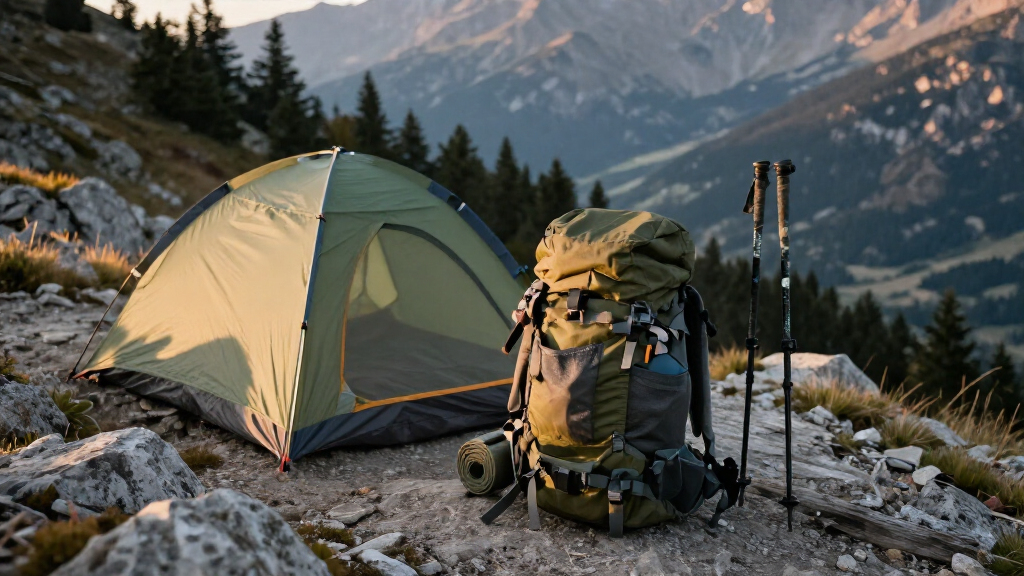
How We Picked
I judged each item by how well it supports an ultralight backpacking kit: its stated weight-saving intent, useful function, packability, ease of use, and the compromises a buyer accepts to carry it. For sleep gear, I focused on the trade between comfort, insulation, and setup features; for cooking and lighting, I considered how compact and practical each item is for common trail tasks. I also looked at whether each product fills a distinct role rather than treating every lightweight accessory as equally necessary.
The ordering reflects a combination of trail usefulness, versatility, and clarity of purpose, not a claim that every item suits every trip. The PocketRocket 2 leads because a compact stove can anchor a functional cooking system; other items rank for more specific needs, such as solo cooking, added sleep comfort, or camp seating. Product names and provided descriptions do not give full weights, temperatures, or durability test results, so I avoid unsupported performance claims and call out where buyers should check fit and specifications before choosing.
Factors to Consider When Choosing Best Ultralight Backpacking Gear
Ultralight gear works as a system: one lighter item can be a poor trade if it calls for extra layers, repairs, or accessories. I would start by matching the kit to the trip, then compare the packed weight of the complete setup rather than isolated products. These factors help separate genuine load reductions from choices that simply move weight or discomfort elsewhere.
Compare Complete Systems, Not Single Items
A sleeping pad, bag, pillow, and shelter work together, so judging any one item by itself can give a misleading picture of the load. A pad with a built-in pillow may reduce separate pieces, while a pad without one could suit someone who already carries a compact pillow. Check packed dimensions and included components, then weigh the full combination you plan to take. The same principle applies to cooking: a stove, pot, fuel, and utensils make one system. A small pot saves space only if its capacity matches the meals you actually eat. Avoid choosing an item by its product name alone when the complete kit is what goes on your back.
Match Sleep Gear to Conditions and Your Sleep Style
Weight savings in a sleep system matter little if the gear leaves you cold or unable to sleep. Compare the pad’s stated insulation information and the sleeping bag’s temperature guidance with the lowest likely overnight conditions, not just daytime forecasts. Side sleepers may want more cushioning or width, while back sleepers may tolerate a narrower pad. Built-in pillows and removable covers can add comfort or simplify packing, but they do not replace a pad or bag suited to the weather. Check dimensions against your height and sleeping position, and leave room for conditions to change. A warmer or more comfortable setup can be the wiser choice when it prevents carrying improvised extras.
Decide Whether an Accessory Earns Its Pack Space
Small accessories look easy to justify one at a time, yet their combined weight can rival a larger piece of core gear. Before packing a lantern, ask whether a headlamp already covers your camp and walking needs; a lantern makes more sense when shared, hands-free area lighting is a priority. Dry bags can keep clothing or electronics organized, but a set of several sizes may include pieces you rarely use. A trowel is a practical tool where local rules and conditions call for it, while a spork can replace separate utensils. Make a short list of tasks each accessory handles and remove duplicates. Ultralight packing is often about carrying fewer things, not finding the lightest version of every thing.
Treat Comfort Items as Deliberate Tradeoffs
A camp chair is a comfort choice, not a universal backpacking essential. It can make sense on trips with long camps, restorative breaks, or firm plans to spend time at camp, but it adds a separate load when a sit pad or ground seat may be enough. Anti-sink feet can help on soft ground, although they do not make a chair weightless or remove setup needs. Compare the packed bulk as well as the listed weight, since awkward shapes can affect how efficiently a pack carries. The same reasoning applies to pillows: a removable cover may improve comfort, but some hikers prefer clothing stuffed into a stuff sack. Choose comfort items that address a real need for your route.
Prioritize Fit, Setup, and Repairability
Gear that is difficult to use in wind, darkness, or rain can cost time and create avoidable stress even when it is light. Check how a pad inflates and deflates, whether a chair suits your height and preferred sitting position, and whether a stove’s controls make sense for your cooking style. Look for clear care and repair guidance, especially for inflatable sleep gear that may be exposed to sharp ground. Check the pack dimensions and how components are stored, since a compact item can still be awkward to deploy. If you are new to backpacking, a straightforward setup may be worth carrying a little more weight. Familiarize yourself with each item at home before relying on it outdoors.
Spend Weight Where It Solves a Real Problem
Paying more weight for insulation, durability, or a better fit can be a sound choice when it addresses a known issue on your trips. A warmer sleeping setup may matter more on cold routes than trimming a few ounces from a utensil, while a compact stove may be valuable if hot meals are part of your routine. Conversely, premium materials do not help if the item is unnecessary or poorly matched to your needs. Compare the product’s stated specifications with the conditions you expect, and check what is included in the packed weight. New hikers can start with a small, reliable kit and refine it after identifying discomforts. The best tradeoff is personal: carry weight only when the benefit earns its place.
Frequently Asked Questions
Should I choose a sleeping pad with a built-in pillow or pack a separate pillow?
A built-in pillow can reduce the number of separate items you pack, but it may not offer the height or support you need. A separate inflatable pillow gives you more choice in shape and position, while a stuff sack filled with clothing avoids another dedicated item. Compare the combined packed weight and volume rather than assuming an integrated feature always saves space. If you sleep on your side or move frequently, test the pillow arrangement before a long trip. Comfort matters because a lighter setup is not a useful trade if it disrupts sleep.
Is a 750 ml pot enough for backpacking meals?
A 750 ml pot can suit a solo hiker preparing straightforward meals, particularly when the menu relies on boiling water or one-pot cooking. It may feel cramped for larger portions, meals that need stirring, or cooking for two. Check the pot’s usable capacity and account for room needed to prevent boilovers. If you want to prepare more elaborate food, a larger pot may be more practical even if it takes more space. Your meal plan should decide the capacity, not the appeal of a compact pot on its own.
Do I need both a lantern and a headlamp on an ultralight trip?
Most solo hikers can cover walking and basic camp tasks with a headlamp, which keeps both hands free. A lantern can be useful for shared camps or for lighting a central area while several people cook or organize gear. Carrying both makes less sense when you hike alone and need only task lighting. Check whether your headlamp has modes suited to both close work and moving after dark. If you choose a lantern, count it as a comfort or group item rather than assuming it is a replacement for a headlamp.
Are inflatable sleeping pads a good choice for rough campsites?
An inflatable pad can provide cushioning in a compact package, but sharp ground and careless setup increase puncture risk. Clear the sleeping area of sticks and stones, use a groundsheet when appropriate, and learn the product’s repair process before leaving home. Check the pad’s insulation guidance as well as its thickness, since comfort alone does not tell you how it will perform in cold conditions. A foam pad may be a better fit for hikers who want a simpler setup or more tolerance for abrasion. The right choice depends on campsite conditions, sleep needs, and willingness to manage an inflatable item.
Which items should a beginner buy first rather than adding every accessory?
Start with the gear that supports safe sleep, shelter, water, food, and navigation for the route, then add comfort accessories when a clear need appears. A compact stove and pot may make sense if you plan to cook, while a chair or lantern is more optional for many trips. Do not skip required backcountry waste tools or local rules in pursuit of a lower pack weight. Check whether your existing equipment already covers a task before buying a second item for it. After a few trips, use actual comfort and packing problems to guide upgrades instead of filling gaps based on product lists.
Conclusion
For a balanced starting point, I would choose the MSR PocketRocket 2 as the best overall because it serves a core trail task in a compact cooking setup. The best value-oriented approach is to build around only the pieces your trip needs, pairing the solo-focused TOAKS pot and titanium spork when small, simple meals are the plan. For a premium comfort-focused kit, compare the three sleeping pads and choose by fit, insulation needs, and how you sleep rather than by thickness alone; buyers should check the stated specifications before deciding. Beginners are better served by a straightforward setup built around essential sleep, cooking, and lighting gear, with chairs and extra lights added only when they solve a real problem. For specific needs, pick the NU20 Classic for hands-free lighting, Frelaxy dry bags for separating and protecting packed items, or the Naturehike chair if soft-ground seating is a priority. The right ultralight kit is the one that cuts unnecessary load without leaving you short on comfort or function.
Black Friday Picks

Bose QuietComfort Headphones (2nd Gen), Wireless Noise-Cancelling Over-Ear Headphones, Black
As an affiliate, we earn on qualifying purchases.