
TL;DR
Camping activity in US wilderness areas is increasing, especially in popular regions like the Boundary Waters. This has coincided with dry conditions, raising wildfire risks. Authorities warn campers to follow safety guidelines to prevent fires.
Camping activity in US wilderness areas is surging this season, driven by a rise in outdoor recreation and travel. Authorities warn that this increase, combined with ongoing dry conditions, heightens the risk of wildfires, making responsible camping practices more critical than ever.
Recent data from search engines indicates a significant increase in camping-related searches across the US, with some regions, such as the Boundary Waters in Minnesota, experiencing a spike of over 50% compared to previous years. The National Interagency Fire Center (NIFC) has reported a rise in wildfire incidents linked to human activity, including campfires and improperly extinguished equipment.
Experts note that the current dry weather, characterized by below-average rainfall and high temperatures, exacerbates fire danger. Fire officials have issued warnings to campers to adhere to fire bans and safety guidelines, emphasizing that even small campfires can ignite large wildfires under these conditions. Local authorities have also increased patrols and public awareness campaigns to prevent fire outbreaks.
Why Rising Camping Trends and Fire Risks Matter
The increase in camping activity poses a dual challenge: supporting outdoor recreation while preventing wildfires that threaten ecosystems, property, and public safety. Wildfires in recent years have caused extensive damage and led to evacuations, underscoring the importance of responsible outdoor behavior. For policymakers and land managers, this trend highlights the need for enhanced fire prevention measures, public education, and resource allocation to manage increased human presence in vulnerable areas.
fireproof camping cookware set
As an affiliate, we earn on qualifying purchases.
As an affiliate, we earn on qualifying purchases.
Recent Trends and Weather Conditions Fueling Fire Risks
Over the past year, outdoor recreation has surged, partly driven by pandemic-related travel restrictions easing and a growing interest in nature-based activities. The Boundary Waters and other popular camping destinations have seen record visitation levels. Meanwhile, weather patterns have resulted in persistent drought conditions across much of the western US, creating an environment ripe for wildfires. Historically, increased human activity combined with dry weather has led to spikes in fire incidents, prompting warnings from officials.
“With more people camping in dry areas, the risk of wildfires increases significantly. We urge everyone to follow fire bans and extinguish campfires completely.”
— Mark Johnson, Fire Prevention Specialist
portable campfire extinguisher
As an affiliate, we earn on qualifying purchases.
As an affiliate, we earn on qualifying purchases.
Unclear Extent of Future Fire Risks and Camping Behavior
It remains uncertain how widespread or severe future wildfire outbreaks will be this season, as weather patterns can change rapidly. Additionally, the long-term impact of increased camping on fire prevention efforts and resource allocation is still being assessed by authorities. The effectiveness of public education campaigns in changing camper behavior also requires further observation.
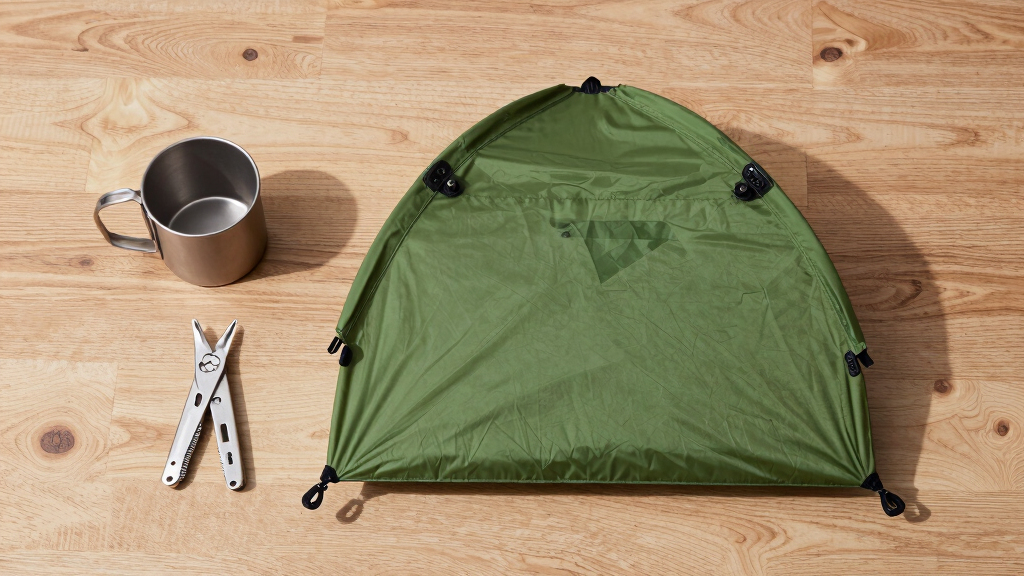
wildfire-resistant camping tent
As an affiliate, we earn on qualifying purchases.
As an affiliate, we earn on qualifying purchases.
Next Steps in Managing Camping and Fire Prevention Efforts
Officials plan to continue public awareness campaigns emphasizing fire safety, especially in high-risk areas. Increased patrols and fire bans are expected to remain in effect during dry conditions. Monitoring weather forecasts and wildfire activity will guide resource deployment. Land managers are also exploring additional measures, such as installing firebreaks and expanding educational outreach, to mitigate future risks.
solar-powered emergency radio for camping
As an affiliate, we earn on qualifying purchases.
As an affiliate, we earn on qualifying purchases.
Key Questions
Why is camping activity increasing now?
Camping has become more popular due to factors like pandemic-related travel restrictions easing, a growing interest in outdoor recreation, and seasonal weather conditions that encourage outdoor activities.
How do dry conditions affect wildfire risk?
Dry weather, low humidity, and high temperatures create ideal conditions for wildfires, making even small sparks from campfires or equipment potentially dangerous.
What safety measures should campers follow?
Campers should follow all fire bans, never leave fires unattended, fully extinguish campfires, and carry appropriate safety equipment. Adhering to park guidelines reduces fire risks.
Are there specific regions at higher risk?
Yes, areas like the Boundary Waters, Western US states, and national parks with dry climates are at higher risk for wildfires due to increased camping and weather conditions.
What are authorities doing to prevent fires?
Officials are increasing patrols, issuing fire bans, conducting public education campaigns, and preparing firefighting resources to respond quickly to incidents.
Source: google-trends