
TL;DR

Get emergency and outdoor gear delivered free — and shop member deals
- Fast, free delivery on millions of items
- Access to Prime Big Deal Days deals on October 6–7
- Prime Video, Amazon Music and more included
Verogy has commenced construction on four solar projects on closed landfills in Connecticut, part of the NRES program. These projects aim to generate clean energy and provide economic benefits to local communities.
Construction has started on four solar energy projects developed by Verogy at municipal landfill sites in Mansfield, Morris, Somers, and Suffield, Connecticut.
These projects are part of Connecticut’s Non-Residential Renewable Energy Solutions (NRES) program, which incentivizes solar development on capped landfills and brownfields. The four projects, with capacities of 2.3 MW, 1.01 MW, 1.16 MW, and 1.3 MW respectively, are transforming previously unusable land into sources of renewable energy.
Verogy is managing all aspects of development, construction, and long-term operations for these installations. The projects are expected to contribute to Connecticut’s clean energy goals while providing economic benefits such as rental income, increased tax revenues, and local job creation for the host communities.
According to Verogy, this initiative continues their track record, with a total of seven landfill-based solar projects completed in Connecticut to date, demonstrating the company’s ongoing commitment to renewable energy on challenging sites.
Economic and Environmental Impact of Landfill Solar Projects
The development of these landfill solar projects highlights a strategic approach to land reuse, turning sites that previously posed environmental challenges into assets that generate clean energy and economic benefits. This not only supports Connecticut’s climate commitments but also provides municipalities with new revenue streams and job opportunities, illustrating a model for sustainable community development.
As an affiliate, we earn on qualifying purchases.
Connecticut’s Landfill Solar Development Program
Connecticut’s NRES program has facilitated the siting of over 17 MW of solar capacity on landfills and brownfields, with 14 projects under its umbrella. The program offers a 20% bid price preference, encouraging developers like Verogy to focus on these challenging sites. The recent projects in Mansfield, Morris, Somers, and Suffield expand the state’s efforts to repurpose closed landfills for renewable energy, aligning with broader state and national climate strategies.
“Every one of these projects tells a similar story: land that once represented a challenge for a community is now generating renewable energy and delivering lasting economic benefits to residents.”
— an anonymous researcher
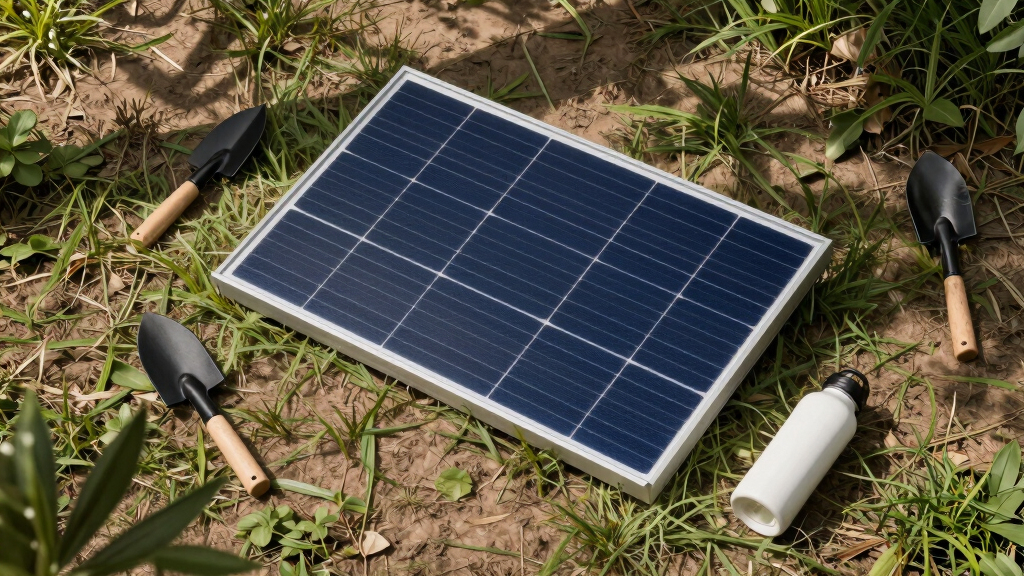
solar energy system for residential use
As an affiliate, we earn on qualifying purchases.
As an affiliate, we earn on qualifying purchases.
Remaining Questions About Project Details and Impact
Details regarding the specific timeline for project completion, long-term operational plans, and the exact economic benefits to each municipality are still emerging. Additionally, the total capacity and future expansion plans beyond these four sites have not been fully disclosed.
As an affiliate, we earn on qualifying purchases.
Next Steps for Project Completion and Community Benefits
Construction is currently underway, with expected completion dates in the coming months. Once operational, the projects will begin delivering renewable energy to the grid, and host municipalities will start receiving economic benefits. Monitoring reports and performance data are anticipated in the following year to assess the projects’ impact.
As an affiliate, we earn on qualifying purchases.
Key Questions
What are the capacities of the new landfill solar projects?
The projects have capacities of 2.3 MW in Mansfield, 1.01 MW in Morris, 1.16 MW in Somers, and 1.3 MW in Suffield.
How does the NRES program support these projects?
The program provides a 20% bid price preference in procurement, incentivizing development on capped landfills and brownfields, and helps facilitate project financing and community benefits.
What economic benefits do municipalities receive from these projects?
Host communities benefit from rental income, increased tax revenues, and local job creation during and after construction.
When are the projects expected to be operational?
Construction is ongoing, with completion expected within the next few months, after which the projects will start generating power and revenue.
Are there plans to develop more landfill solar projects in Connecticut?
While specific future projects have not been announced, Connecticut’s continued focus on landfill solar development suggests additional projects may be pursued under the NRES program.
Source: Solar Power World
Fall Picks
fall essentials
As an affiliate, we earn on qualifying purchases.