
TL;DR

Get emergency and outdoor gear delivered free — and shop member deals
- Fast, free delivery on millions of items
- Access to Prime Big Deal Days deals on October 6–7
- Prime Video, Amazon Music and more included
Five divers, including rescue personnel, died during a deep cave dive in the Maldives on May 14, 2026. The incident underscores the dangers of exceeding safe depth limits and the importance of strict safety protocols. An investigation is ongoing to determine the exact causes.
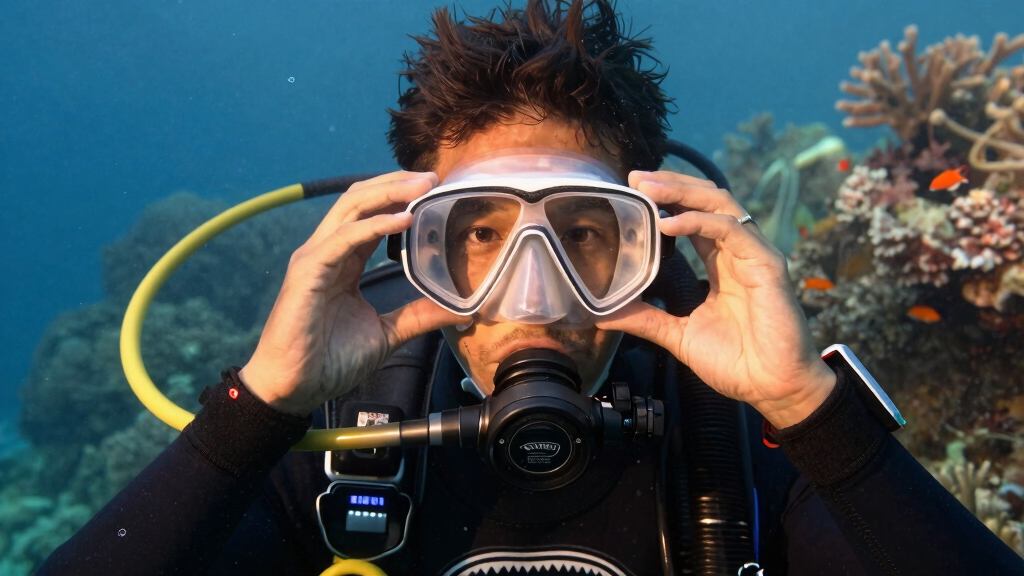
Five divers died during a deep cave dive in the Maldives’ Vaavu Atoll on May 14, 2026, after entering a cave system that exceeds recreational diving depth limits. The incident involves experienced divers and rescue personnel, and it has prompted a national investigation. This tragedy highlights the critical importance of adhering to safety regulations in extreme diving environments.
The divers, including a Maldivian National Defense Force senior diver, entered the Dhekunu Kandu cave, which reaches depths of 230 feet—well beyond the Maldives’ recreational diving limit of 98 feet. The bodies of the divers were recovered from the cave on May 20 after a multi-day search involving international cave diving experts. The cause of death remains under investigation, with possibilities including decompression sickness, narcosis, oxygen toxicity, or equipment failure. The divers reportedly used only single tanks of nitrox air, which is inadequate for such extreme depths and environments. The incident has raised concerns about the risks of technical and cave diving without proper training and equipment, especially at depths exceeding safety guidelines.
Why It Matters
This tragedy underscores the dangers associated with deep cave diving and the importance of strict safety protocols. It serves as a stark reminder that even experienced divers can be vulnerable when exceeding established limits. The incident may lead to increased scrutiny of diving regulations and training standards, potentially prompting revisions to ensure diver safety. For the general public, it highlights the need for awareness about the risks of adventurous diving activities and the importance of respecting depth limits and proper planning.
As an affiliate, we earn on qualifying purchases.
Background
The Maldives attracts approximately 2 million tourists annually, many of whom engage in scuba diving, a popular activity in the region’s reefs and caves. The recent incident is the deadliest in Maldivian diving history and follows a pattern of increasing interest in deep and cave diving, which require specialized skills and equipment. Historically, the Maldives’ diving laws cap recreational depths at 98 feet, but technical dives often exceed this limit, involving complex environments like underwater caves. The incident has prompted calls for stricter enforcement of existing regulations and better diver training, especially for deep and cave diving activities.
“There’s a difference between diving to 40 feet and then making a dive to 50 feet and going to 120 feet. Proper planning and understanding your limits are essential.”
— Karl Shreeves, PADI
“Caves require respect; small errors like stirring up silt or losing your guideline can quickly become catastrophic.”
— Jill Heinerth, Cave Diver and Author
“An investigation is ongoing to determine the causes of this tragic accident, and safety measures will be reviewed.”
— Maldivian authorities
As an affiliate, we earn on qualifying purchases.
What Remains Unclear
It is not yet confirmed what specific factors caused the divers’ deaths, such as equipment failure, narcosis, oxygen toxicity, or panic. The exact sequence of events leading to the tragedy remains unclear, and the investigation is ongoing.
As an affiliate, we earn on qualifying purchases.
What’s Next
The Maldives authorities will release findings from the investigation, which may include new safety regulations or training requirements. The diving community is expected to review current safety standards, especially for deep cave dives, and may implement stricter guidelines to prevent future incidents.
As an affiliate, we earn on qualifying purchases.
Key Questions
What caused the divers’ deaths?
The exact cause remains unknown; possible factors include decompression sickness, narcosis, oxygen toxicity, or equipment failure. The investigation is ongoing and safety measures will be reviewed.
Are deep cave dives legal in the Maldives?
Recreational diving in the Maldives is officially limited to depths of 98 feet. Deep cave diving beyond this limit is considered technical diving and requires specialized training and equipment, which is not typically authorized for recreational divers.
What safety measures should divers follow when exploring caves?
Divers should undergo specialized training, use appropriate gas mixes, plan dives meticulously, monitor their physical and mental condition, and always adhere to depth limits and safety protocols.
Will regulations change after this incident?
It is likely that authorities will review and possibly tighten regulations, especially concerning depth limits and required certifications for cave diving. Details are yet to be announced.
Source: Outside
Halloween Picks
halloween
As an affiliate, we earn on qualifying purchases.