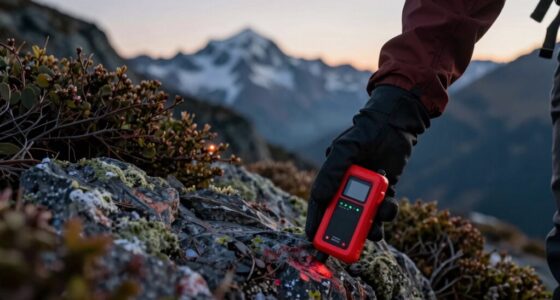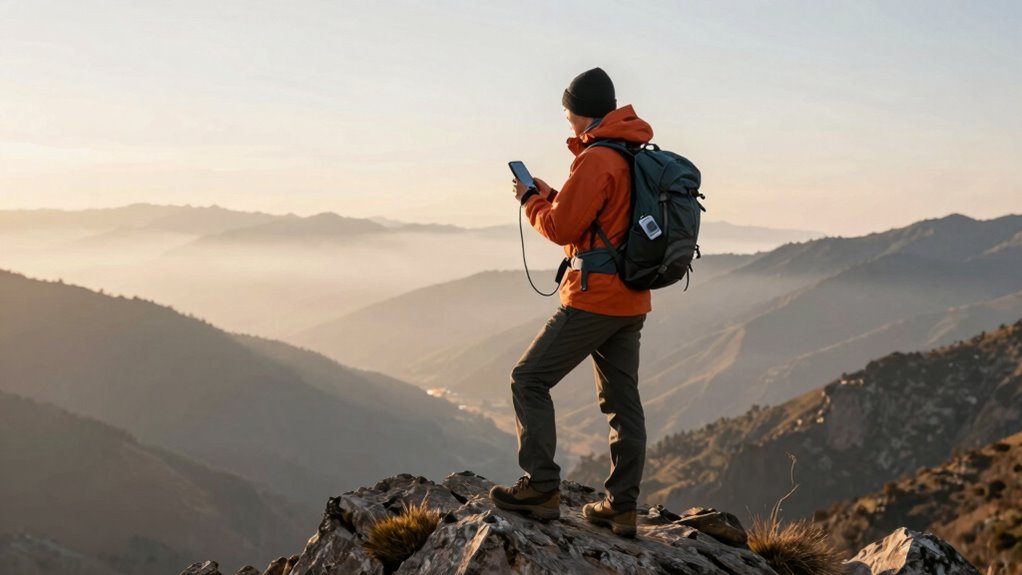

When you’re traveling solo, having multiple communication options is essential because you’re responsible for your safety, and emergencies can happen anytime. Relying on a single method can leave you vulnerable if signals drop, devices die, or technical issues occur. Backup tools like satellite phones, walkie-talkies, and printed maps can be lifesavers. These redundancies give you confidence and independence, helping you stay safe and connected wherever you go—if you want to learn more, keep exploring how to prepare effectively.
Key Takeaways
- Solo travelers lack immediate backup support, making multiple communication methods crucial for safety.
- Without companions, reliable contact channels are essential for emergency assistance or guidance.
- Communication failures can leave solo travelers isolated, increasing risks during unforeseen events.
- Redundancy ensures continuous connectivity, reducing stress and enhancing confidence during solo adventures.
- Planning diverse communication options empowers solo travelers to manage risks independently.

When you’re traveling solo, relying on a single method of communication can leave you vulnerable if it fails. If your primary device runs out of battery, gets lost, or encounters a technical issue, you might find yourself cut off from help or your loved ones. That’s why communication redundancy is essential. It guarantees you’re prepared for emergencies and can maintain social connections, even when unexpected problems arise.
Emergency preparedness is the core reason to have multiple communication options. You can’t always predict when your phone might die or when you’ll lose signal, especially in remote areas. Carrying a backup power source, like a portable charger, is indispensable, but so is having alternative devices or methods, such as a satellite phone or a walkie-talkie. These tools can be lifesavers if your primary device fails. Additionally, having printed maps, written emergency contacts, or a list of local emergency numbers provides a safety net if digital communication options become unavailable. Recognizing the limitations of technology and planning accordingly can make all the difference in ensuring a smooth journey. Being aware of network coverage in your travel areas can help you choose the best communication options. It’s also wise to familiarize yourself with local communication infrastructure to better understand what tools will be effective in your destination. Planning for possible technical failures by having multiple options ensures you won’t be left stranded without options.
Maintaining social connection is another critical aspect. As a solo traveler, your social network—friends, family, or fellow travelers—acts as your safety net. Relying solely on one messaging app or email can be risky, especially in areas with poor internet coverage. Installing multiple communication apps or services ensures you can reach someone no matter what. Sharing your itinerary and emergency contacts with trusted people before your trip also adds a layer of security. Should you encounter trouble, they’ll know where to find you or how to assist.
Having communication redundancy also reduces stress. When you know you have several ways to reach out, you feel more confident exploring unfamiliar places. It encourages you to connect with locals or fellow travelers without worry, knowing you’re prepared for unforeseen circumstances. This sense of security enhances your overall experience and allows you to focus on the adventure rather than potential risks.
Ultimately, your solo journey is about discovery and independence, but that doesn’t mean you can neglect safety. Building in multiple communication channels is a simple yet powerful way to practice emergency preparedness and foster social connection. It keeps you safe, connected, and confident, ensuring your trip remains memorable for all the right reasons. When you plan ahead with communication redundancy, you’re not just protecting yourself—you’re empowering your entire travel experience. Being aware of technology limitations and planning accordingly can make all the difference in ensuring a smooth journey.

BlueCosmo Inmarsat IsatPhone 2.1 Satellite Phone Kit & 500 Unit Prepaid SIM (365 Days) – Global Coverage – Voice, SMS, GPS Tracking, Emergency SOS
GLOBAL COVERAGE: NO ROAMING CHARGES – make and receive voice calls, SMS, track your position with GPS from…
As an affiliate, we earn on qualifying purchases.
As an affiliate, we earn on qualifying purchases.
Frequently Asked Questions
How Do I Prioritize Communication Methods During a Solo Trip?
You should prioritize multiple communication methods, like carrying your phone with a reliable signal booster and keeping emergency contacts handy. Always guarantee your device is charged and consider a backup power bank. Check signal coverage in your destination beforehand. Keep emergency contacts saved locally and online. This way, even if one method fails, you can quickly reach help or loved ones, ensuring your safety during your solo adventure.
What Are the Best Apps for Staying Connected Offline?
Did you know that 60% of travelers rely on offline apps in remote areas? For staying connected offline, download apps like Google Maps or Maps.me for offline maps, ensuring you can navigate without internet. Also, store emergency contacts in these apps and keep a physical list as backup. These tools help you stay safe and connected, even when you’re out of service, giving you peace of mind during your solo adventures.
How Can I Ensure My Devices Remain Charged?
To keep your devices charged, prioritize battery conservation by dimming screens and closing unused apps. Carry portable power banks and consider solar chargers for sustainable energy, especially during extended outdoor adventures. Solar chargers harness sunlight to replenish your devices, reducing reliance on traditional outlets. Regularly monitor battery levels and recharge devices early to avoid running out of power when you need it most. This way, you stay connected and prepared throughout your solo trip.
What Should I Do if I Lose Signal in Remote Areas?
When you lose signal in remote areas, stay calm and focus on emergency preparedness. Use your backup devices, like a satellite phone or offline maps, to assist with signal recovery. Keep your essential contacts pre-programmed and accessible. Coincidentally, carrying a portable charger guarantees your devices stay operational during critical moments. By preparing for signal loss, you increase your safety and guarantee you’re ready to handle any unforeseen situations confidently.
How Do I Balance Privacy With Safety When Communicating?
You can balance privacy with safety by setting clear privacy boundaries before your trip, only sharing necessary details with trusted contacts. Use encrypted messaging apps for secure communication, and establish emergency protocols, like check-in times or location sharing, to stay safe without oversharing. Always inform someone you trust about your plans, and have a backup communication method ready in case your primary device fails, ensuring your safety while respecting your privacy.

INIU 45W Fast Charging Portable Charger, 40% Smaller 10000mAh with Detachable Cable, Flight-Safe Travel Power Bank, USB C External Phone Battery Pack for iPhone 17 16 Pro iPad Samsung S26 Google etc
40% Smaller, 36% Lighter: Powered by the industry’s first TinyCell high-density battery technology, this ultra-compact 10,000mAh power bank…
As an affiliate, we earn on qualifying purchases.
As an affiliate, we earn on qualifying purchases.
Conclusion
In the end, having communication redundancy on your solo trip is like carrying a safety net beneath a tightrope — it keeps you grounded and secure amid uncertainty. When you plan for backup options, you’re not just protecting yourself; you’re empowering your adventure with confidence. Remember, the unexpected can happen, but with reliable communication, you’re better prepared to face anything. Stay connected, stay safe, and let your journey unfold with peace of mind.

Walkie Talkies with 22 FRS Channels, MOICO Walkie Talkies for Adults with LED Flashlight VOX Scan LCD Display, Long Range Family Walkie Talkie for Hiking Camping Trip (Yellow, 4 Pack)
Compatible with Any the Same Channel Radio: FCC ID ; 2ASV6-T5A.This walkie-talkie is battery powered and requires AAA…
As an affiliate, we earn on qualifying purchases.
As an affiliate, we earn on qualifying purchases.

Yellowstone National Park Map (National Geographic Trails Illustrated Map, 201)
Waterproof. Tear-resistant. Regularly revised.
As an affiliate, we earn on qualifying purchases.
As an affiliate, we earn on qualifying purchases.