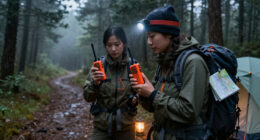
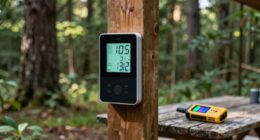
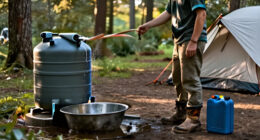
To avoid getting sick from streams, always filter water before treatment to remove debris and sediments, and use a reliable portable purifier following the manufacturer’s instructions. Boil water for at least one minute to kill bacteria, viruses, and protozoa, especially in contaminated areas. Consider using chemical tablets or additional treatments for chemical safety. Collect water from the clearest spots away from animal droppings and algae. Keep your device clean and filters changed regularly for safe hydration every time.

Get emergency and outdoor gear delivered free with Prime
- Fast, free delivery on millions of items
- Prime Video, Amazon Music and more included
- Member-only deals all year
Key Takeaways
- Use a reliable portable water purifier and follow manufacturer instructions carefully.
- Collect water from the clearest, least contaminated stream areas, pre-filter murky water if needed.
- Boil water for at least one minute (or three minutes at high altitude) to kill pathogens.
- Combine filtration with chemical treatments or boiling for comprehensive pathogen removal.
- Regularly clean and replace filters to maintain device effectiveness and prevent contamination.

Have you ever found yourself in a situation where clean water isn’t readily available? Whether you’re hiking, camping, or exploring remote areas, having access to safe drinking water becomes vital. Contaminated streams can harbor bacteria, viruses, protozoa, and chemical pollutants that pose serious health risks. Luckily, you don’t have to rely solely on bottled water or hope for the best. With proper water filtration methods and portable purifiers, you can confidently stay hydrated without compromising your health.
One of the most effective ways to guarantee water safety in the wilderness is through water filtration. Portable purifiers are compact, lightweight devices designed to remove harmful microorganisms and impurities from natural water sources. They come in various styles, including pump filters, straw filters, and gravity-fed systems, making them versatile for different situations. When using a portable purifier, it’s essential to follow the manufacturer’s instructions carefully to maximize their effectiveness. Typically, you’ll need to pump or sip through the device until the water runs clear and tastes clean. These devices usually target bacteria, protozoa like Giardia, and viruses, which are common culprits behind waterborne illnesses.
Before filtering, it’s a good idea to collect water from the clearest part of the stream, avoiding areas near algae blooms, animal droppings, or muddy banks. Clear water isn’t always safe, but reducing turbidity makes filtration more effective. If the water is particularly murky, pre-filter it through a cloth or coffee filter to remove larger particles before using your portable purifier. This step helps prevent clogging and prolongs the life of your device. Additionally, understanding water treatment methods can further enhance your safety when sourcing water from streams.
Remember, water filtration is only part of the process. If chemical contaminants or toxins are a concern, consider using additional treatment methods like chemical tablets or boiling. Boiling water for at least one minute (or three minutes at higher altitudes) kills most pathogens but requires a heat source. Combining boiling with filtration provides an extra layer of protection, especially in areas with known contamination issues.
Carrying a reliable portable purifier is a smart investment for anyone venturing into the outdoors. It offers peace of mind knowing you can turn a potentially hazardous water source into safe, drinkable water quickly and conveniently. Regular maintenance, such as cleaning your device after each use and replacing filters as recommended, guarantees it remains effective. By mastering water filtration techniques and choosing the right portable purifiers, you can avoid getting sick from streams and enjoy your adventures with confidence.
portable water purifier for hiking
As an affiliate, we earn on qualifying purchases.
As an affiliate, we earn on qualifying purchases.
Frequently Asked Questions
Can Boiling Water Always Make Stream Water Safe to Drink?
Boiling water generally makes stream water safe to drink by eliminating most water contaminants. Boiling safety involves bringing water to a rolling boil for at least one minute, or three minutes at higher altitudes. This process kills bacteria, viruses, and parasites. However, it doesn’t remove chemical pollutants or heavy metals. So, if you suspect chemical contamination, consider filters or other purification methods alongside boiling for safer drinking water.
Are Chemical Purifiers Effective Against All Types of Waterborne Pathogens?
Chemical purifiers are like a shield, but their effectiveness depends on their chemical efficacy and the pathogen spectrum. They work well against many bacteria and viruses, but might struggle with certain protozoa or chemical contaminants. You need to select the right purifier for the water’s specific threats. Always follow the manufacturer’s instructions and consider combining methods, like filtration, to cover a broader spectrum of pathogens and ensure safe drinking water.
How Long Should I Wait After Treating Water Before Drinking?
You should wait at least 30 minutes after water treatment before drinking to guarantee safety. This water treatment timing allows disinfectants like iodine or chlorine to work effectively against pathogens. For chemical purifiers, follow the product instructions closely, as safe drinking intervals can vary. If using boiling, wait until the water cools before drinking. Always double-check that the water looks clear and smells clean before consuming.
What Are the Best Portable Water Filtration Devices for Backpackers?
Think of your water filtration setup as your backpack’s secret weapon. You’ll want portable filters like the Sawyer Mini or LifeStraw for quick, reliable filtration, removing bacteria and protozoa. For extra protection, UV purifiers like the SteriPEN come in handy, zapping viruses and bacteria quickly. These compact devices are lightweight, easy to use, and perfect for staying hydrated and healthy on the trail.
Is It Safe to Drink Water Directly From Streams Without Purification?
You shouldn’t drink water directly from streams without purification because waterborne bacteria and other pathogens can cause illness. Even if the stream looks clean, it may still harbor harmful microorganisms that threaten your health. To guarantee stream safety, always purify water using a reliable filtration device, chemical treatment, or boiling before drinking. This simple step helps prevent illnesses and keeps you safe during your outdoor adventures.
As an affiliate, we earn on qualifying purchases.
Conclusion
So, next time you’re hiking or camping, don’t forget that your adventurous spirit might just be risking a stomach bug. It’s ironic—you’re out there conquering nature, yet a simple stream could undo all your efforts. But with these tips, you can stay safe and enjoy your trip without a surprise visit to the bathroom. Remember, a little effort to purify water keeps your adventure going, not ending it prematurely. Stay smart, stay safe!
camping water purification system
As an affiliate, we earn on qualifying purchases.
As an affiliate, we earn on qualifying purchases.
water treatment tablets for backpacking
As an affiliate, we earn on qualifying purchases.
As an affiliate, we earn on qualifying purchases.
Halloween Picks
halloween
As an affiliate, we earn on qualifying purchases.