
TL;DR

Get emergency and outdoor gear delivered free with Prime
- Fast, free delivery on millions of items
- Prime Video, Amazon Music and more included
- Member-only deals all year
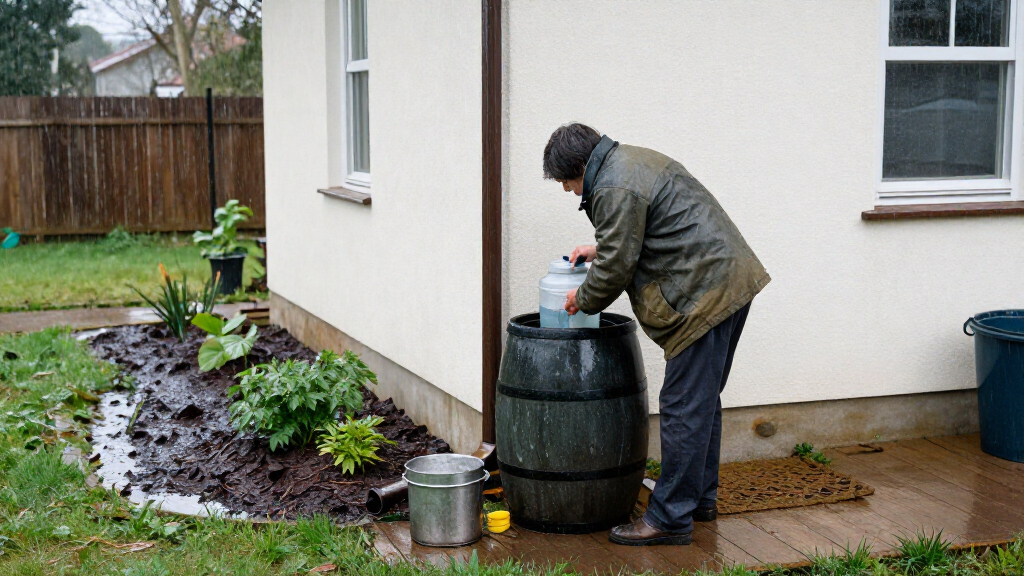
A rain barrel can provide backup water for non-drinking uses such as toilet flushing, cleaning and gardening, helping preserve stored drinking water. Federal guidance says collected rainwater is not necessarily safe to drink without treatment, and roof, gutter and barrel maintenance affect the quality and reliability of the supply.
Rain barrels can supplement household water storage during an interruption to tap water, especially for toilet flushing, cleaning and gardening, but collected rainwater should not be treated as drinking water without proper treatment. Federal preparedness and public-health guidance supports storing water and cautions that rainwater can pick up germs and chemicals from roofs and collection systems.
Ready.gov advises households to store at least one gallon of water per person per day for several days, for drinking and sanitation. A rain barrel can help reserve that stored supply for its most important uses by providing water for other tasks. The source material does not specify a particular emergency, new government announcement or change in official guidance; it presents rainwater collection as a preparedness measure.
A commonly used harvesting estimate says one inch of rain on 1,000 square feet of roof can produce roughly 620 gallons of runoff. That is an estimate, not a guaranteed yield: actual collection depends on rainfall, roof and gutter conditions, system design and losses. Gutters clogged with leaves, seed pods or twigs can impede flow, stain water as debris decays and interfere with first-flush diverters or inlet screens.
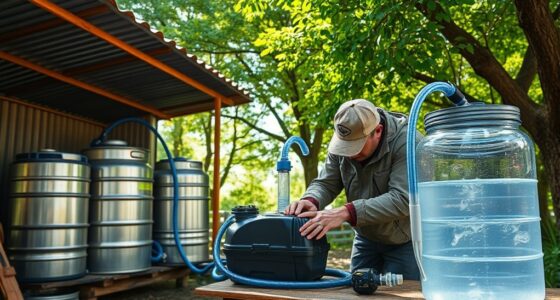
The Centers for Disease Control and Prevention says rainwater is not necessarily safe to drink without first removing germs and chemicals, and recommends regular testing when it is used for drinking, cooking or bathing. A basic barrel setup may include a gutter cover, screened inlet, secure lid, first-flush diverter and overflow hose. These parts can reduce debris and standing-water problems, but they do not by themselves make the collected water potable.
FIELD GUIDE / WATER READINESS
Rainwater as a Backup Supply
A rain barrel can help cover household needs during a water interruption. Reserve collected water for non-drinking tasks, keep stored drinking water protected, and follow health guidance before considering any other use.
THE SAFE ROLE
A screen, cover or first-flush diverter can help manage debris; none proves water is safe to drink.
Preparedness baseline
1 galper person, per day, for several daysRoof runoff estimate
~620 galfrom 1 inch of rain on 1,000 sq ftCollection depends on
Localrainfall, roof, system design and lossesMaintenance window
Seasonalinspect after weather and debris changes01 / WHY COLLECT
Stretch your stored supply
Separate water for non-drinking needs can preserve treated water for its highest-priority uses when tap service is interrupted.
Sanitation
Toilet flushing
Rainwater may support flushing and other sanitation tasks, subject to local rules and the condition of the water.
Household
Cleaning & laundry
A separate non-potable supply can reduce demand on stored drinking water for selected cleaning tasks.
Outdoors
Gardening
Collected rain can be useful for plants when rainfall and a maintained collection system make water available.
Keep supplies distinct. Ready.gov advises storing at least one gallon of water per person per day for several days, for drinking and sanitation. A rain barrel can help reserve that stored supply for essential needs.
02 / POTENTIAL YIELD
A useful estimate, not a promise
Roof area and rainfall shape possible collection. Actual yield also reflects roof and gutter condition, system design, and losses.
Rule of thumb
About 620 gallons
A commonly used estimate for one inch of rain on 1,000 square feet of roof. Treat it as a planning reference, not a guaranteed household yield.
What changes the result
Conditions at the home
Rainfall, roof materials, debris, gutter condition, collection design, storage and maintenance all influence both amount and quality.
03 / COLLECTION PATH
From roof runoff to storage
A maintained setup can manage debris and direct surplus water. These components support collection; they do not make water potable.
Micro-mesh
Fine debris capture
Described as catching smaller debris; fit and local conditions affect performance.
Solid covers
Leaves & sticks
Can stop larger debris when correctly fitted; inspect for gaps and blockages.
Foam inserts
Seasonal checks
Can block leaves and larger debris, with seasonal inspection recommended.
No single cover is identified as best for every home. Roof pitch, tree cover, gutter size and condition, local weather, and downspout destination affect suitability. A Kansas City example notes pin oaks, maples and elms dropping debris from September into December; other places may have different seasonal patterns.
04 / WATER SAFETY
Clear water is not proof of safety
Roof runoff may collect dust, pollen, bird droppings and material residue. Appearance and odor cannot establish that water is safe to drink.
“Rainwater is not necessarily safe to drink without first removing germs and chemicals from it.”
Centers for Disease Control and Prevention“At least one gallon of water per person per day for several days.”
Ready.gov“Use a rain barrel to capture rain from your roof.”
U.S. Environmental Protection AgencyFor drinking, cooking or bathing: follow current public-health guidance for treatment and regular testing. A barrel, inlet screen, gutter cover or first-flush diverter does not establish safety.
05 / MAINTENANCE
Inspect before you rely on it
Treat collection as one part of a broader water plan alongside stored drinking water and official local emergency instructions.
Before setup
Assess the route
Check roof and gutter condition, identify where each downspout drains, and choose equipment suited to local debris and rainfall.
Before use
Secure & label
Check the lid and inlet screen, first-flush diverter and overflow. Clearly label the barrel for its intended use and keep untreated water separate.
Ongoing
Recheck after storms
Clear debris, inspect covers and screens, and look for blockages or damage as seasons and weather change.
06 / KEY QUESTIONS
Quick answers for planning
Use rainwater as a supplemental resource with a clear purpose, realistic expectations and appropriate safety measures.
Can I drink barrel water?
Not without appropriate treatment and testing. The CDC warns rainwater may contain germs and chemicals from roofs and collection systems. Follow current public-health guidance before drinking, cooking or bathing with it.
What is it useful for?
When kept separate from potable water, it may support non-drinking uses such as toilet flushing, cleaning, laundry, livestock and gardening, subject to local rules and water condition.
How much could a roof collect?
A common estimate is about 620 gallons from one inch of rain on 1,000 square feet of roof. Actual collection varies with local rainfall, roof and gutter conditions, system design and losses.
Keeping Stored Drinking Water Available
During a water outage, a separate supply for non-drinking tasks can reduce pressure on stored potable water. Sanitation and cleaning also require water, so even rainwater reserved for flushing toilets, laundry or garden use may help a household stretch its treated supply. The benefit depends on having rainfall, a working collection system and storage that remains usable.
Water quality is a public-health concern, not just a matter of appearance or odor. Roof runoff may collect dust, pollen, bird droppings and roofing-material residue. Debris control can make collection and later treatment more manageable, but visual clarity does not establish that water is safe to drink. Households should follow public-health advice for treatment and testing rather than relying on a gutter cover or filter as a complete safety measure.
Rain barrels also need attention before and during use. A blocked gutter or damaged screen can reduce collection, while an uncovered container may admit animals, insects or additional debris. For emergency planning, a rain barrel is a backup for specific uses, not a substitute for stored drinking water or an assurance of a dependable supply.
Popular right now

TCL 65-Inch T7 Series 4K QLED Smart Google TV, 144Hz (65T7)

Philips Café Aromis Automatic Espresso Machine with LatteGo Pro Milk System

Bose QuietComfort True Wireless Earbuds with Active Noise Cancellation, Black
As an affiliate, we earn on qualifying purchases.
From Roof Runoff to Storage
The supplied preparedness material uses the Kansas City area to illustrate how local conditions can affect a collection system. It describes mature pin oaks, maples and elms dropping leaves, seed pods and twigs from September into December. That seasonal example is specific to the area and should not be assumed to describe every climate or neighborhood.
Different gutter-cover designs handle debris differently. The material describes micro-mesh covers as able to catch smaller debris, solid covers as stopping leaves and sticks when correctly fitted, and foam inserts as blocking leaves and larger debris while requiring seasonal checks. No single option is identified as best for all homes. Roof pitch, tree cover, gutter size and condition, local weather and the downspout’s destination can affect performance.
The U.S. Environmental Protection Agency’s Soak Up the Rain program is cited as a source of basic information on capturing roof runoff with rain barrels. The source material also recommends an overflow hose to direct surplus water away from the foundation and a secure lid and inlet screen to keep out animals and mosquitoes. Such components support collection and maintenance; they do not replace drinking-water treatment.
“At least one gallon of water per person per day for several days.”
— Ready.gov
Water Safety Depends on Testing
The source material gives no location-specific rainfall forecast, household collection measurements or test results for a particular barrel. The roughly 620-gallon estimate is a rule of thumb, not a guarantee of how much a home will collect in any given storm. Actual yield and water quality remain dependent on local conditions, including rainfall, roofing materials, debris, system maintenance and storage.
It is also unclear which gutter cover would perform best at any individual home; the material says the choice depends on the roof, trees and gutter condition. Most importantly, a barrel, screen, cover or first-flush diverter does not establish that water is safe to drink. Anyone planning to use harvested water for drinking, cooking or bathing needs to follow current health guidance on treatment and regular testing.
Inspect and Maintain the System
Households considering rainwater collection can start by checking roof and gutter condition, identifying where each downspout drains and choosing a setup suited to local debris and rainfall. Before relying on a barrel, check that its lid and inlet screen are secure, the first-flush diverter and overflow are functioning, and the container is labeled clearly for its intended use. Keep untreated water separate from drinking water.
Maintenance should continue as seasons and weather change. Clear debris, inspect covers and screens, and check the barrel after storms for blockages or damage. If water will be used for drinking, cooking or bathing, consult current CDC guidance and arrange testing as recommended. The next step for emergency planners is to treat rainwater as one component of a broader water plan, alongside stored drinking water and official local emergency instructions.
Key Questions
Can I drink water collected in a rain barrel?
Not without appropriate treatment and testing. The CDC warns that rainwater may contain germs and chemicals from the roof and collection system. Follow current public-health guidance before using it for drinking, cooking or bathing.
What is rain-barrel water useful for?
When kept separate from potable water, it can support non-drinking uses such as toilet flushing, cleaning, laundry, livestock and gardening, subject to local rules and the water’s condition.
How much rainwater can a roof collect?
A commonly used estimate is about 620 gallons from one inch of rain on 1,000 square feet of roof. The amount a household actually captures varies with rainfall, roof and gutter conditions, system design and collection losses.
Do gutter covers make rainwater safe to drink?
No. Covers can reduce leaves and other debris entering gutters, but they do not remove all germs or chemicals. Treatment and testing are still needed before harvested water is used for consumption.
Source: Ask a Prepper