Emergency preparedness kits vary in who they support and which emergencies they address. The Ready America 72-Hour Deluxe Emergency Kit for 4 People is my best overall pick for households seeking a shared three-day starting point, while the Everlit Survival Car Emergency Kit stands out for drivers who need tire-inflation gear. For a two-person plan, the EVERLIT 72-Hour Emergency Survival Kit offers another household-focused option. The main tradeoffs are household capacity, portability, and whether the kit is designed for home evacuation or roadside trouble. Read on for the full breakdown and help choosing a kit that fits your plan.

Get emergency and outdoor gear delivered free — and shop member deals
- Fast, free delivery on millions of items
- Access to Prime Big Deal Days deals on October 6–7
- Prime Video, Amazon Music and more included
Key Takeaways
- Household size changes the shortlist: Ready America’s four-person kit is the clearest starting point for a family, while its one-person kits are better matched to solo plans.
- Roadside readiness calls for different gear: The Everlit car kit pairs a tire inflator with emergency supplies, a role the household backpacks do not fill.
- Two-person backpacks are not interchangeable: Ready America’s 70285 and 70280 models are separate options, so compare their included contents and pack format before choosing.
- A large item count does not settle the decision: The 262-piece kit may appeal to buyers seeking a broad assortment, but the count alone does not show whether its contents match a specific household plan.
- “Three-day” labels are a starting point: Buyers still need to check quantities, dietary and medical needs, and supplies for children or pets before relying on any kit.
| Ready America 72-Hour Deluxe Emergency Kit for 4 People |  | Best for Families | Capacity: 4 people | Preparedness duration: Up to 72 hours | Emergency food: Four 2,400-calorie food bars | VIEW LATEST PRICE | See Our Full Breakdown |
| 262-Piece Survival Kit with First Aid Pouch and Crossbody Bag |  | Best for Outdoor Survival Gear | Piece count: 262 | Bag: Compartmented crossbody bag with MOLLE-compatible straps and D-rings | Axe: 17 inches; carbon steel; multifunctional with hammer | VIEW LATEST PRICE | See Our Full Breakdown |
| Ready America 72-Hour Deluxe Emergency Kit for One Person |  | Best Compact Grab-and-Go Kit | Capacity: 1 person | Preparedness duration: 72 hours | Emergency food: One 2,400-calorie food bar | VIEW LATEST PRICE | See Our Full Breakdown |
| Everlit Survival Car Emergency Kit with Tire Inflator and First Aid Kit |  | Best for Roadside Emergencies | Inflator power: 12V | Inflator features: Preset pressure, auto shutoff, and LED light | Jumper cable length: 12 feet | VIEW LATEST PRICE | See Our Full Breakdown |
| Ready America 70285 Deluxe 2-Person 3-Day Emergency Backpack |  | Best for Two-Person Preparedness | Capacity: 2 people | Duration: Up to 3 days | Emergency food: Two 2,400-calorie food bars | VIEW LATEST PRICE | See Our Full Breakdown |
| Ready America 70280 2-Person 3-Day Emergency Survival Backpack |  | Best for Two-Person Grab-and-Go Preparedness | Brand: Ready America | Model: 70280 | Capacity: 2 people | VIEW LATEST PRICE | See Our Full Breakdown |
| Ready America 72-Hour Emergency Kit for One Person |  | Best for Solo Evacuation | Capacity: 1 person | Duration: 72 hours | Food: One 2,400-calorie emergency food bar | VIEW LATEST PRICE | See Our Full Breakdown |
| EVERLIT 72-Hour Emergency Survival Kit for 2 People |  | Best for Expanded Two-Person Coverage | Capacity: 2 people for up to 72 hours | Water: 24 pouches, 125 mL each | Emergency food: 2 bars, 3,600 calories each | VIEW LATEST PRICE | See Our Full Breakdown |
| Family Emergency Survival Kit Backpack |  | Best for a Compact Family Starter Kit | Dimensions: 19 × 15 × 10 inches | Food and water shelf life: 5 years | First aid kit: 121 pieces, described as basic | VIEW LATEST PRICE | See Our Full Breakdown |
| emergency preparedness kit | Capacity | Water |
|---|---|---|
| Ready America 72-Hour Deluxe E | 4 people | — |
| 262-Piece Survival Kit with Fi | — | — |
| Ready America 72-Hour Deluxe E | 1 person | Six emergency drinking water pouches |
| Everlit Survival Car Emergency | — | — |
| Ready America 70285 Deluxe 2-P | 2 people | Six 4.225-ounce water pouches |
| Ready America 70280 2-Person 3 | 2 people | 12 pouches, 4.225 oz each; 5-year shelf life |
| Ready America 72-Hour Emergenc | 1 person | 6 sealed water pouches |
| EVERLIT 72-Hour Emergency Surv | 2 people for up to 72 hours | 24 pouches, 125 mL each |
| Family Emergency Survival Kit | — | SOS water; quantity not specified |
More Details on Our Top Picks
Ready America 72-Hour Deluxe Emergency Kit for 4 People
For households preparing together, this backpack covers more emergency basics for four people than the single-person Ready America 72-Hour Deluxe Emergency Kit. Its four food bars and four one-liter water cartons give each person a defined share, while the 107-piece first aid kit, survival blankets, ponchos, and hygiene supplies address needs beyond food and water. The hand-crank power station adds a flashlight, radio, siren, and phone charging, so the kit can support communication and visibility without relying solely on batteries. The tradeoff is that the included food and water are limited emergency portions, not a full resupply for three days. Compared with the two-person Ready America 70285 Deluxe 2-Person 3-Day Emergency Backpack, this kit serves a larger group but its listed water supply is specified in cartons rather than supplemented by purification tablets.
Pros:- Includes food bars and one-liter water cartons for four people
- Combines first aid, shelter, hygiene, lighting, and tools in one backpack
- Hand-crank station provides a radio, siren, flashlight, and phone charging
Cons:- Included food and water are limited emergency portions
- Backpack dimensions and total weight are not specified
Best for: Families of four who want shared grab-and-go supplies for an evacuation or short disruption
Not ideal for: People who need substantial drinking water for several days or need a specified pack weight and dimensions before buying
- Capacity:4 people
- Preparedness duration:Up to 72 hours
- Emergency food:Four 2,400-calorie food bars
- Drinking water:Four 1-liter Aqua Literz cartons
- First aid kit:107 pieces
- Power station:Hand-crank flashlight, AM/FM radio, siren, and cell phone charging
- Storage:Portable backpack
Our verdict“Choose this backpack when four people need coordinated basic supplies and a hand-crank communication station in one portable kit.”
262-Piece Survival Kit with First Aid Pouch and Crossbody Bag
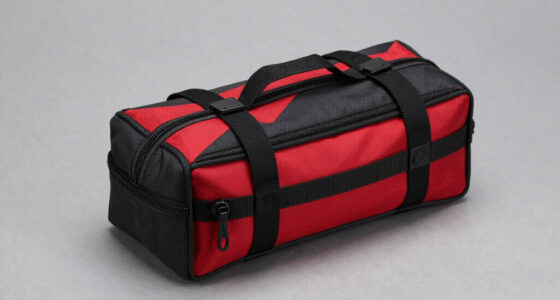
This kit leans toward hands-on survival gear rather than the clearly portioned food and water found in the Ready America 72-Hour Deluxe Emergency Kit for 4 People. Its 17-inch carbon steel axe and shovel with pick suit buyers who expect to clear, dig, or work outdoors, while the compartmented crossbody bag, MOLLE-compatible straps, and D-rings make it easier to arrange and attach gear. The listed contents also include first aid supplies, lighting, fire-starting tools, shelter, rope, a compass, and fishing gear. That breadth may appeal to campers building an emergency loadout, but the listing does not give quantities or detailed specifications for individual supplies, so it is harder to judge how complete the smaller items are. It also lacks the explicit per-person food and water allotments of the Ready America backpacks.
Pros:- Includes a 17-inch carbon steel axe with hammer and a shovel with pick
- Crossbody bag has multiple compartments and MOLLE-compatible attachment points
- Combines first aid, lighting, shelter, fire starting, and navigation gear
Cons:- Individual supply quantities and detailed specifications are not listed
- Full-size tools add bulk and may be unnecessary for home-focused emergency planning
Best for: Campers and outdoors-focused adults who want tools and a varied survival loadout in an organized bag
Not ideal for: Households seeking clearly quantified food and water supplies or a lightweight, compact evacuation bag
- Piece count:262
- Bag:Compartmented crossbody bag with MOLLE-compatible straps and D-rings
- Axe:17 inches; carbon steel; multifunctional with hammer
- Shovel:17 inches; carbon steel; includes pick
- Lighting:Flashlight, camping lamp, and glow sticks
- Included supplies:First aid supplies, emergency tent and blanket, fire starter, fishing kit, water container bag, rope, and compass
- Intended preparedness period:First 72 hours
Our verdict“Pick this kit for outdoor utility and tool access, while choosing a Ready America backpack for more explicit food and water planning.”
Ready America 72-Hour Deluxe Emergency Kit for One Person
For an individual who needs a ready-to-carry emergency pack, this model gives one person a straightforward starting point: a 2,400-calorie food bar, six water pouches, a water bottle, and basic shelter and hygiene items. Its hand-crank LED headlamp keeps lighting simple, while purification tablets, waterproof matches, and a multifunction tool add useful options for a short disruption. Compared with the Ready America 70285 Deluxe 2-Person 3-Day Emergency Backpack, this kit is sized for one person and lists six emergency water pouches; the two-person model adds a hand-crank radio and phone charging. The tradeoff is limited provisioning: one food bar and the included water are emergency portions, so buyers should plan their own replenishment. It is a better fit for a personal vehicle or workplace than for a shared household kit.
Pros:- Food and water supplies are specified for one person
- Includes a 32-ounce BPA-free bottle and water purification tablets
- Backpack combines lighting, shelter, hygiene, and basic tools
Cons:- One food bar and the included water provide limited emergency portions
- Does not list a radio or phone-charging power station
Best for: Solo commuters, students, or workers who want a personal emergency backpack for a vehicle, office, or home
Not ideal for: Couples or families who need shared provisions, or buyers who want a radio and phone-charging station
- Capacity:1 person
- Preparedness duration:72 hours
- Emergency food:One 2,400-calorie food bar
- Water:Six emergency drinking water pouches
- Water bottle:32 ounces; BPA-free
- Lighting:Hand-crank LED headlamp
- Storage:Emergency backpack
Our verdict“Choose this personal backpack for basic solo preparedness when portability matters more than extended supplies or radio features.”
Everlit Survival Car Emergency Kit with Tire Inflator and First Aid Kit
This kit addresses a different emergency than the Ready America backpacks: it is built around getting a vehicle and its occupants through a roadside problem. The 12V digital tire inflator has preset pressure and auto shutoff, reducing the chance of overinflation during a flat, while its LED light helps in low visibility. Twelve-foot, 8-gauge jumper cables rated at 300 amps and a 108-piece first aid kit add practical roadside and minor-injury support. Compared with the four-person Ready America kit, it offers vehicle-specific equipment rather than food, water, and shelter for a broader emergency. That makes it a useful complement for drivers, but it does not serve as a 72-hour preparedness pack. The listing also omits the inflator’s maximum pressure and inflation rate, so buyers cannot gauge its performance for larger tires from the supplied details.
Pros:- Digital 12V inflator includes preset pressure, auto shutoff, and an LED light
- 12-foot, 8-gauge jumper cables are rated at 300 amps
- Combines roadside safety items with a 108-piece first aid kit
Cons:- Maximum tire pressure and inflation rate are not specified
- Does not include the food, water, and shelter supplies found in 72-hour backpacks
- Components need periodic inspection and replenishment
Best for: Drivers who want tire inflation, jump-starting, visibility, and first aid supplies kept in their vehicle
Not ideal for: Households seeking an evacuation backpack with emergency food, water, shelter, and communication gear
- Inflator power:12V
- Inflator features:Preset pressure, auto shutoff, and LED light
- Jumper cable length:12 feet
- Jumper cable gauge:8 gauge
- Jumper cable output:300 amps
- First aid kit contents:108 pieces
- Warranty:1 year
Our verdict“Choose this vehicle kit for roadside readiness, and pair it with a separate supply kit if you also need shelter and provisions.”
Ready America 70285 Deluxe 2-Person 3-Day Emergency Backpack
Couples or roommates who want one shared pack get a useful mix of supplies here, including food, water, purification tablets, first aid, hygiene, two N95 masks, and a hand-crank station with radio and phone charging. The water purification tablets and 32-ounce bottle give this kit a water-treatment option that the Ready America 72-Hour Deluxe Emergency Kit for 4 People does not list, though its six small water pouches are only 4.225 ounces each. That makes the purification gear a helpful supplement rather than a reason to assume the pack supplies ample drinking water. The hand-crank radio and charging feature also distinguish it from the simpler solo Ready America backpack. Its main compromise is the limited food and water allotment; buyers should view it as an emergency starter pack and plan to add provisions suited to their needs.
Pros:- Includes food bars, water pouches, purification tablets, and a reusable bottle
- Hand-crank station combines flashlight, AM/FM radio, siren, and phone charging
- Two N95 masks and a 33-piece first aid kit add basic protective and medical supplies
- Backpack format keeps shared supplies together for evacuation
Cons:- Six water pouches contain only 4.225 ounces each
- Food and water quantities are limited for a three-day period
- Backpack dimensions and total weight are not specified
Best for: Two adults who want shared grab-and-go supplies with water treatment and hand-crank communication
Not ideal for: People who need substantial ready-to-drink water or a kit with food and water for a larger household
- Capacity:2 people
- Duration:Up to 3 days
- Emergency food:Two 2,400-calorie food bars
- Water:Six 4.225-ounce water pouches
- Water purification:Purification tablets
- First aid kit:33 pieces
- Pack type:Backpack
Our verdict“Choose this shared backpack for two people who value a radio and water-treatment option, provided they plan to add more drinking water and food.”
Ready America 70280 2-Person 3-Day Emergency Survival Backpack
The Ready America 70280 gives two people a compact starting point for a 72-hour evacuation: food and water are packed with basic first aid, shelter, lighting, and signaling supplies. Its two 2,400-calorie food bars and 12 water pouches make the provisions clear, while the backpack keeps the kit portable. Compared with the EVERLIT 72-Hour Emergency Survival Kit for 2 People, this is a simpler setup: it lists fewer medical and water-treatment extras, but that can make it easier to understand and carry. The tradeoff is that the food and water are limited to the listed kit portions, and the 33-piece first aid kit is for basic care. I’d choose it for a couple who wants core evacuation supplies together, not an expanded medical or purification system.
Pros:- Lists food and water portions for two people
- Combines basic first aid, ponchos, blankets, and lighting
- Backpack format supports grab-and-go use
- Includes dust masks, nitrile gloves, and a whistle
Cons:- Food and water are limited to the included portions
- 33-piece first aid kit is intended for basic care
- No water purification supplies are listed
Best for: Two-person households that want a straightforward backpack with basic food, water, shelter, and first aid for evacuation.
Not ideal for: Buyers seeking water purification or a more extensive medical setup, since those features are not listed and the first aid kit is basic.
- Brand:Ready America
- Model:70280
- Capacity:2 people
- Duration:72 hours
- Food:2 emergency food bars, 2,400 calories each; 5-year shelf life
- Water:12 pouches, 4.225 oz each; 5-year shelf life
- First aid:33 pieces
- Shelter and lighting:2 emergency ponchos, 2 survival blankets, and 2 lightsticks with 12-hour duration
- Other supplies:Dust masks, nitrile gloves, whistle, pocket tissues, and backpack
Our verdict“Choose this backpack if two people want core 72-hour evacuation supplies in one simple carry pack.”
Ready America 72-Hour Emergency Kit for One Person
For someone preparing alone, the Ready America 72-Hour Emergency Kit for One Person keeps the load and supply count scaled to one: a 2,400-calorie bar, six sealed water pouches, and basic gear for shelter, first aid, lighting, and signaling. Its backpack format gives the provisions a single place to go during an evacuation. Compared with the Ready America 70280 2-Person 3-Day Emergency Survival Backpack, this kit is the more focused choice for one adult, rather than requiring a couple to divide shared supplies. That smaller scope also means it cannot cover a second person, and the listed food and water are limited to the included portions. The 18-piece first aid kit points to basic care rather than a broad medical setup. I’d pick it for a solo commuter or resident who wants a compact baseline kit.
Pros:- Supply count is scaled for one person
- Includes a 2,400-calorie food bar and sealed water pouches
- Combines shelter, first aid, lighting, and signaling gear
- Backpack keeps evacuation supplies together
Cons:- Food and water are limited to the included portions
- 18-piece first aid kit offers a basic supply set
- One-person capacity does not suit households preparing together
Best for: Solo adults who want a backpack with basic supplies ready for an evacuation or shelter-in-place emergency.
Not ideal for: Couples or families who need shared food, water, and emergency supplies for more than one person.
- Capacity:1 person
- Duration:72 hours
- Food:One 2,400-calorie emergency food bar
- Water:6 sealed water pouches
- First aid:18 pieces
- Shelter:Emergency blanket and poncho
- Lighting:12-hour lightstick
- Signaling and other gear:Nitrile gloves and safety whistle
- Pack type:Backpack
Our verdict“Pick this kit if you need a personal evacuation backpack with basic 72-hour provisions and gear.”
EVERLIT 72-Hour Emergency Survival Kit for 2 People
The EVERLIT 72-Hour Emergency Survival Kit for 2 People is the most feature-rich two-person option in this batch. Alongside food and water pouches, it includes water purification tablets and 200 first aid pieces, including a CAT tourniquet; its hand-crank light with radio and phone charger adds communication and power functions. Those extras give it a broader role than the simpler Ready America 70280 2-Person 3-Day Emergency Survival Backpack, whose listed supplies focus on core provisions and basic care. The tradeoff is a more involved pack: four main compartments and MOLLE panels allow organization and attachment, but buyers need to manage that gear themselves. Its food and water have a stated five-year shelf life, so replacement planning still matters. I’d favor EVERLIT when medical breadth and purification matter more than keeping a kit spare and simple.
Pros:- Includes 24 water pouches and purification tablets that treat up to 25 quarts
- 200-piece first aid assortment includes a CAT tourniquet
- Hand-crank flashlight includes a radio and phone charger
- Tear- and water-resistant 1000D polyester pack has four main compartments and MOLLE panels
Cons:- Food and water have a stated five-year shelf life and need replacement planning
- Designed for two people, so larger households need additional supplies
- Multiple compartments and MOLLE panels require buyers to organize the gear
Best for: Two-person households that want water treatment, a larger first aid assortment, and radio and phone-charging features in their emergency pack.
Not ideal for: Buyers who want a minimal, uncomplicated kit or need supplies for a household larger than two.
- Capacity:2 people for up to 72 hours
- Water:24 pouches, 125 mL each
- Emergency food:2 bars, 3,600 calories each
- Food and water shelf life:5 years
- Water purification:Tablets treat up to 25 quarts
- First aid supplies:200 pieces, including a CAT tourniquet
- Backpack material:1000D polyester
- Backpack features:Tear- and water-resistant; four main compartments, MOLLE panels, adjustable straps
- Additional gear:Hand-crank flashlight with radio and phone charger
Our verdict“Choose EVERLIT if two people want broader medical, purification, and communication features in one pack.”
Family Emergency Survival Kit Backpack
The Family Emergency Survival Kit Backpack makes the most sense as a compact family starting point: it pairs a portable pack with SOS food and water, a 121-piece basic first aid kit, and an emergency guidebook. Compared with the Ready America 70280 2-Person 3-Day Emergency Survival Backpack, its larger first aid piece count and guidebook may appeal to families building a basic preparedness setup, but the available product details are less specific about exactly what supplies are inside. That missing inventory makes it harder to judge how well it covers distinct family needs or how its provisions are divided. The pack measures 19 × 15 × 10 inches, so it is portable but not a small day bag. I’d shortlist it when compact storage and a guidebook matter, while checking the included food, water, and other supplies before relying on it as a complete family kit.
Pros:- Backpack measures 19 × 15 × 10 inches for mobile storage
- Includes SOS food and water with a stated five-year shelf life
- 121-piece basic first aid kit provides a sizeable assortment
- Emergency guidebook adds preparedness advice
Cons:- Specific food and water quantities are not provided
- Other included supplies are not itemized in the product data
- First aid kit is described as basic
Best for: Families seeking a compact backpack with basic first aid, emergency provisions, and a guidebook as a preparedness starting point.
Not ideal for: Buyers who need a clearly itemized kit or verified food and water quantities for each family member.
- Dimensions:19 × 15 × 10 inches
- Food and water shelf life:5 years
- First aid kit:121 pieces, described as basic
- Intended use:Family emergency preparedness
- Pack type:Backpack
- Food:SOS food; quantity and calories not specified
- Water:SOS water; quantity not specified
- Included guidance:Emergency guidebook
Our verdict“Consider this as a compact family starter kit if you can confirm the provisions match your household’s needs.”

How We Picked
I ranked these nine kits by how clearly their design fits a real preparedness need: household size, intended setting, portability, and whether the included gear addresses a specific gap such as roadside tire trouble. I gave more weight to kits with a defined use and audience than to a headline piece count, since a larger assortment does not automatically mean better coverage for a particular household.
The order also reflects the tradeoffs visible in the product descriptions. The four-person Ready America kit leads as a broad household starting point; the car kit earns a distinct place for drivers; and the one-person and two-person options serve narrower plans. The survival assortment, family backpack, and closely related two-person packs may suit buyers with different priorities, but I would compare their actual contents, quantities, and carrying setup before treating them as interchangeable. These rankings are a guide to fit, not a substitute for checking each kit’s current inventory and filling personal gaps.
Factors to Consider When Choosing Emergency Preparedness Kits
Before choosing from this roundup, match the kit to the emergency plan you expect it to support. Capacity labels and feature counts can hide practical gaps, so use the following checks to decide what belongs in your home, vehicle, or go-bag.
Match the kit to the place you will use it
Start by deciding whether you need supplies for sheltering at home, leaving quickly, or handling a vehicle breakdown. A home kit can prioritize shared supplies and storage, while an evacuation pack has to be manageable to carry. A roadside kit has a different job: it should help with visibility, basic first aid, and vehicle trouble. Buying one bag to cover every setting can leave important gaps in all of them. Consider keeping a home supply and a smaller vehicle kit if both situations matter to you. The Everlit car kit’s tire inflator illustrates why vehicle-specific gear can be more useful than another general-purpose pouch when driving is your main concern.
Check quantities against the people who rely on the kit
A kit labeled for one, two, or four people gives you a useful starting point, but the label does not tell you whether every supply is provided in a suitable quantity. Check how many days of food and water are represented and whether those quantities are per person or shared. Include children, older adults, and anyone who needs regular medication in your planning. A family may need more than one size of clothing, extra hygiene supplies, or familiar foods. A common mistake is to treat a household-size label as proof that no additions are needed. Make a short household checklist and compare it against the contents before relying on the kit.
Look past item counts to usable coverage
A high piece count can include many small accessories while leaving out the few supplies your household needs most. Sort the contents by function: water, food, first aid, light, communication, warmth, and sanitation. Ask whether each category is present in a usable quantity and whether you already own a better version. The 262-piece survival kit may suit someone who values a broad assortment, but the count by itself cannot establish how well it supports a three-day household plan. Avoid paying extra attention to a long inventory if essential categories remain unclear. A contents list is more informative when it states quantities and intended use.
Choose a pack you can carry and access
Backpack format can help when you need to move supplies, but a packed bag still has to be comfortable enough for the person carrying it. Think about weight, strap design, storage space, and whether the kit will stay in one place or travel with you. For a household, one shared bag may be heavy or awkward; splitting supplies across people can make evacuation easier. For a car, a compact kit that is easy to reach may be more useful than a large backpack buried under luggage. Check the bag dimensions and contents rather than assuming that the word “backpack” means it is ready to carry long distances. Leave room for personal additions that make the kit fit your household.
Plan for maintenance and personal supplies
Preparedness supplies need occasional attention: food and water have dates, batteries can lose charge, and medical needs can change. Choose a storage spot you can access and remember to review the contents on a regular schedule. Add prescription medication, eyeglasses, chargers, copies of key documents, and supplies for pets where relevant. Do not assume a general first-aid pouch replaces medication or equipment recommended for a specific health need. Buying a kit is the start of a plan, not the whole plan. A simple inventory with replacement dates makes upkeep easier than discovering a missing or expired item during an emergency.
Decide when a specialized kit is worth it
Paying for a specialized feature makes sense when it solves a problem you are likely to face and would otherwise need to address separately. Drivers who travel long distances may value a tire inflator and roadside gear more than an expanded set of general survival accessories. A household that already owns lighting, first-aid supplies, and tools may prefer a focused kit that fills its remaining gaps. Beginners may benefit from a clearly labeled, audience-specific kit because it gives them a workable starting inventory. Avoid choosing a premium-looking option based on branding or a long feature list alone. Compare the specific items with your existing supplies and intended use before deciding what deserves space in the kit.
Frequently Asked Questions
Is a kit labeled for four people enough for my family?
Use the label as a capacity guide, then check the actual quantities of food, water, and other shared supplies. Household needs differ, especially when children, older adults, pets, or medical needs are involved. The Ready America four-person kit is a reasonable starting point for a family plan, but the label alone does not confirm that every person’s needs are covered for three days. Compare its inventory with your household checklist and add anything missing. If the bag is too heavy for one person to move, divide key supplies among multiple carriers.
Should I buy one kit for home and my car?
Usually, it is more useful to think of these as two plans. A home kit can support sheltering or evacuation, while a car kit should be easy to reach and address roadside problems. The Everlit car kit’s tire inflator gives it a specific purpose that a general household backpack may not serve. If you keep a kit in a vehicle, consider heat and cold exposure when deciding what can safely stay there. Check both kits periodically and move supplies that are sensitive to temperature into a more suitable storage place.
Does a higher piece count mean a better emergency kit?
No. Piece counts can include small items and do not show how much food, water, or first-aid coverage is included. The 262-piece survival kit may appeal if you want a broad assortment, but you should inspect its inventory to see whether it supports your actual plan. Compare quantities and functions across kits, not just the total number of pieces. A smaller kit with the supplies you need can be a better fit than a larger assortment with gaps.
Which type of kit makes the most sense for someone living alone?
A one-person kit is a sensible starting point because its intended capacity may be easier to store and carry than a family pack. This roundup includes two Ready America options labeled for one person, so check their contents and pack format to see which fits your plan. Think about whether you need supplies mainly at home or want a bag you can take during an evacuation. Add personal medication, contact information, and any equipment tied to your health needs. If you expect to share supplies with another person, plan for that capacity instead of relying on a solo kit.
What should I add to a ready-made kit before relying on it?
Start with needs the general kit may not know about: prescription medication, glasses, infant or pet supplies, and dietary requirements. Then check whether the listed amounts of water, food, and first-aid items match the people and duration in your plan. Add communication and document items that matter to your household, such as a power bank or copies of important records. Store additions so they can be reached quickly, and track dates for anything that expires or needs charging. The right additions depend on your household; a kit’s label cannot replace that check.
Conclusion
For a household seeking a broad starting point, my best overall choice is the Ready America 72-Hour Deluxe Emergency Kit for 4 People. The 262-piece survival kit is my best value-style pick for buyers who want a wide assortment, though I would verify its contents instead of relying on the count. For a more specialized purchase, the best premium fit depends on the need: choose the Everlit car kit if tire trouble is your priority, or compare the two-person packs if you need a shared evacuation bag. Beginners can start with the Ready America one-person kit that best matches their storage and carrying plans. Drivers should favor the Everlit car kit, while solo buyers and families should select a capacity-matched option and add their personal essentials.
Fall Picks
fall essentials
As an affiliate, we earn on qualifying purchases.