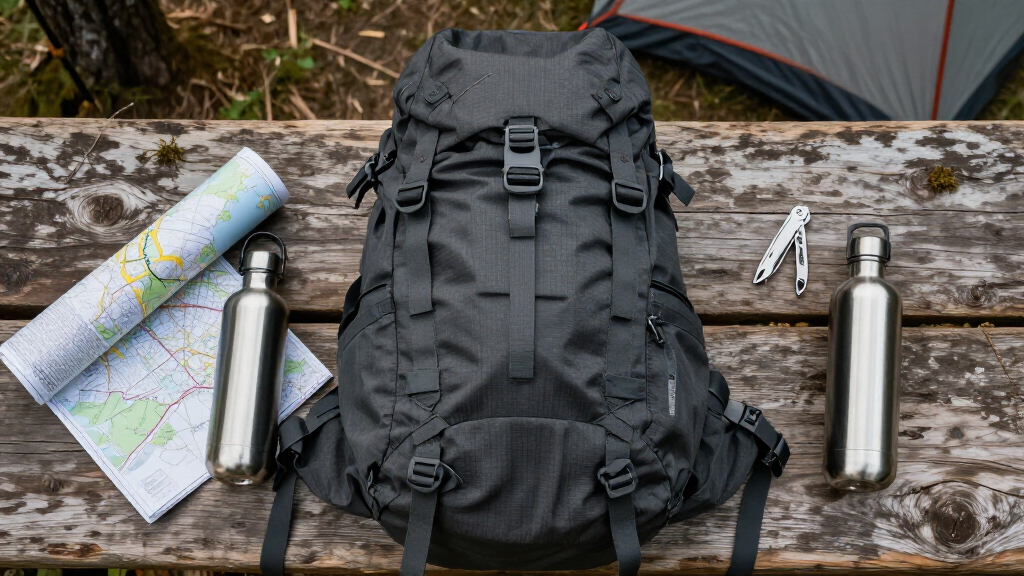
Shopping for survival gear backpacks means choosing between two very different paths: a pre-loaded emergency kit that comes stuffed with first aid supplies, tools, and shelter, or an empty tactical pack you fill yourself with hand-picked gear. The 258-Piece Emergency Survival Kit stands out as the best overall pick because it is one of the few bundles that pairs genuinely useful tools — a water filter, tent, lantern, and fire starter — with a pack worth carrying. The Reebow Gear 3 Day Assault Pack is the strongest choice if you already own gear and just need a rugged, high-capacity shell, while the 17-in-1 Survival Kit makes sense for minimalists on a budget. The main tradeoff across this category is convenience versus quality: bundled kits save you assembly time but often include filler items, while tactical backpacks demand more effort and money upfront but last years longer. Keep reading for the full breakdown of all 11 options.

Get emergency and outdoor gear delivered free with Prime
- Fast, free delivery on millions of items
- Prime Video, Amazon Music and more included
- Member-only deals all year
Key Takeaways
- Piece count is the most misleading spec in this category — kits ranging from 250 to 262 pieces often contain the same core tools, with the difference made up by bandages, zip ties, and other low-value filler.
- The 258-Piece Emergency Survival Kit earned the top spot because it is the only bundle that includes a water filter and real shelter alongside a usable backpack, covering the survival priorities most kits skip.
- Empty tactical packs (Reebow Gear, LHI) dramatically outperform bundled kits on fabric quality, stitching, and load capacity — they are the better long-term buy if you already own tools.
- Compact crossbody-based kits (the 17-in-1 and smaller Molle bundles) work as car or glovebox emergency backups, not as primary bug-out bags, due to limited capacity and thin straps.
- Nearly every bundled kit in this lineup duplicates the same items — axe, shovel, tent, first aid — so the real differentiators are pack comfort, whether the tools are full-size or miniature, and how the contents are organized.
- The best-value picks are mid-range 250-piece kits that match premium bundles on contents while costing noticeably less, provided you accept thinner outer fabric.
| Survival Kit, 252 pcs Emergency Gear for Car, Home, Outdoor, Earthquake, Travel |  | Best Overall Kit | Number of Pieces: 252 | Material: Water-resistant 1000D nylon | Bag Dimensions: 9.8″ x 6.8″ x 4.5″ | VIEW LATEST PRICE | See Our Full Breakdown |
| Survival Kit, 250pcs Tactical Gear and Trauma Bag, Emergency First Aid Kit with Molle Crossbody Bag & Tent |  | Best Trauma-First Design | Number of Items: 250 | Bag Type: MOLLE crossbody bag | Material: Durable, weather-tested materials | VIEW LATEST PRICE | See Our Full Breakdown |
| Reebow Gear Military Tactical Backpack Large Army 3 Day Assault Pack Molle Bag |  | Best Empty Pack for Custom Builds | Dimensions: 13″ x 20″ x 11″ (33 x 50.5 x 28 cm) | Capacity: 40L | Material: 600×600 Density fabric, water-resistant | VIEW LATEST PRICE | See Our Full Breakdown |
| Survival Kit with 251 Pieces Emergency Gear and Supplies, First Aid Kit with Crossbody Bag, Camping Essentials for Earthquake, Hiking, Outdoor Adventures |  | Best for Family Emergency Planning | Number of Items: 251 | Material: 600D nylon | Bag Type: Tactical backpack with MOLLE webbing | VIEW LATEST PRICE | See Our Full Breakdown |
| Survival Kit, 262-Piece Emergency Gear with First Aid and Camping Supplies |  | Best Heavy-Tool Kit | Number of Pieces: 262 | Tool Material: Carbon steel (axe and shovel) | Tool Length: 17 inches | VIEW LATEST PRICE | See Our Full Breakdown |
| 250-Piece Survival Kit with Molle System and Emergency Supplies |  | Best Compact Bug-Out Kit | Number of Pieces: 250 | Bag Material: Military-grade water-resistant 1000D nylon | Bag Dimensions: 8 x 6.5 x 6 inches | VIEW LATEST PRICE | See Our Full Breakdown |
| 17-in-1 Survival Kit for Outdoor and Emergency Preparedness |  | Best Budget Gift Pick | Number of Items: 17 | Case Material: Waterproof | Case Dimensions: 7.3 x 4.3 x 2 inches (18.5 x 11 x 5 cm) | VIEW LATEST PRICE | See Our Full Breakdown |
| Professional Survival Gear Set – First Aid Kit and Large Camping Backpack for Outdoor Adventures |  | Best for Extended Trips | Backpack Capacity: 45L | Backpack Dimensions: 11.81 x 19.68 x 11.81 inches | Material: 900D Oxford cloth and nylon | VIEW LATEST PRICE | See Our Full Breakdown |
| 258-Piece Emergency Survival Kit with Tent, Water Filter, LED Lantern, Fire Starter, Multi-Tool, and Backpack |  | Best Overall Kit | Number of Pieces: 258 | Backpack Capacity: 25L | Multi-Tool: 14-in-1 axe & hammer with wire saw and multifunctional tools | VIEW LATEST PRICE | See Our Full Breakdown |
| LHI Military Tactical Backpack 45L Assault Pack Bag with Molle System, Black |  | Best DIY Foundation Pack | Capacity: 45L | Dimensions: 12 x 20 x 12 inches | Material: 900 Oxford nylon, water-resistant | VIEW LATEST PRICE | See Our Full Breakdown |
| Survival Kit, 262-Piece Emergency Gear with First Aid, Tent, Axe, Shovel, and Backpack |  | Most Complete Family Kit | Piece Count: 262 | Key Tools Included: First aid kit, tent, axe, shovel with pick, fire starter, flashlight, glow sticks | Additional Supplies: Water container, emergency blanket, rope, compass, multi-use spoon | VIEW LATEST PRICE | See Our Full Breakdown |
| survival gear backpack | Material | Intended Use |
|---|---|---|
| Survival Kit | Water-resistant 1000D nylon | — |
| Survival Kit | Durable, weather-tested materials | — |
| Reebow Gear Military Tactical | 600×600 Density fabric, water-resistant | 3-day assault pack, hiking, camping, hunting |
| Survival Kit with 251 Pieces E | 600D nylon | Earthquake, wildfire, power outage, hiking, outdoor adventures |
| Survival Kit | — | — |
| 250-Piece Survival Kit with Mo | — | Hiking, camping, disaster preparedness |
| 17-in-1 Survival Kit for Outdo | — | Everyday carry, outdoor adventures, gifting |
| Professional Survival Gear Set | 900D Oxford cloth and nylon | Hiking, camping, fishing, wilderness survival |
| 258-Piece Emergency Survival K | — | Camping, hiking, disaster preparedness |
| LHI Military Tactical Backpack | 900 Oxford nylon, water-resistant | — |
| Survival Kit | — | — |
More Details on Our Top Picks
Survival Kit, 252 pcs Emergency Gear for Car, Home, Outdoor, Earthquake, Travel
This option stands out for balancing sheer item count with genuinely useful organization. The 252 pieces are housed in a water-resistant 1000D nylon MOLLE bag, which is a step up in fabric quality from the 600D nylon used in the 251-piece tactical backpack kit. Compared with the Reebow Gear 40L assault pack, this is a complete grab-and-go solution: you get the hatchet, tourniquet, emergency tent, and flashlight already inside rather than sourcing them separately. The tradeoff is raw capacity — at 9.8 x 6.8 x 4.5 inches, it simply cannot hold extra clothing or food the way a dedicated 40L pack can. This pick makes the most sense for buyers who want one purchase, zero assembly, and who value sturdy packaging over expandable storage.
Pros:- Complete 252-piece inventory covering both survival tools and first aid
- Water-resistant 1000D nylon MOLLE bag is tougher than typical kit packaging
- Compact enough to store in a vehicle or closet without dominating space
- Covers earthquake, travel, and outdoor scenarios without additional purchases
Cons:- Small bag size means no room to add food, water, or clothing
- Item quality varies across 252 pieces — some tools are basic versions
Best for: Households and commuters who want a single ready-made emergency kit for the car trunk or home closet
Not ideal for: Hikers building a custom multi-day loadout — the fixed contents leave little room for personal gear
- Number of Pieces:252
- Material:Water-resistant 1000D nylon
- Bag Dimensions:9.8″ x 6.8″ x 4.5″
- Attachment System:MOLLE webbing
- Key Tools:Tactical flashlight, hatchet, fire starter, emergency tent
- Medical Items:Mini first aid kit, tourniquet, bandages, scissors, tweezers
Our verdict“The most complete turnkey option for anyone who wants full emergency coverage in one durable bag without piecing together gear.”
Survival Kit, 250pcs Tactical Gear and Trauma Bag, Emergency First Aid Kit with Molle Crossbody Bag & Tent
What separates this kit from the nearly identical 252-piece competitor is its emphasis on trauma-grade medical organization. Where most survival kits treat first aid as an afterthought, this one builds the loadout around a dedicated trauma set, then layers in tactical tools like the multifunctional axe, fishing kit, and lantern. The crossbody MOLLE bag carries differently from the 251-piece tactical backpack version — it rides faster on the hip for quick deployment but offers less total volume. The included compass, rope, and thermal blanket round out a wilderness-focused kit that feels better suited to backcountry emergencies than suburban earthquake prep. The compromise is weight distribution: a loaded crossbody bag becomes uncomfortable over long distances compared with a true backpack design.
Pros:- Trauma-focused medical set is more response-oriented than typical bundled first aid kits
- Crossbody design allows rapid access without removing the bag
- Wilderness extras like fishing kit, compass, and rope extend usefulness beyond urban emergencies
- Weather-tested materials hold up to rough handling
Cons:- Crossbody carry is less comfortable than backpack styles for long hikes
- Durability of individual budget tools varies across the 250 pieces
Best for: Outdoor adventurers and volunteer responders who prioritize trauma supplies alongside survival tools
Not ideal for: Anyone needing hands-free long-distance carrying — the crossbody format fatigues shoulders on extended treks
- Number of Items:250
- Bag Type:MOLLE crossbody bag
- Material:Durable, weather-tested materials
- Medical Contents:Trauma first aid supplies
- Survival Tools:Multifunctional axe, fire starter, emergency tent, lantern, fishing kit
- Navigation & Signal:Compass, SOS whistle, flashlight
- Shelter & Warmth:Emergency tent, thermal blanket, rope
Our verdict“The strongest choice when medical response matters more than hauling capacity.”
Reebow Gear Military Tactical Backpack Large Army 3 Day Assault Pack Molle Bag
This model is better suited to a completely different buyer than the pre-packed kits: someone who already owns gear and needs a serious 40L chassis to carry it. Unlike the 252-piece kit, which arrives stuffed but maxed out, the Reebow pack lets you choose every item — a real advantage for experienced preppers who distrust bundled budget tools. The ventilated padding and hydration compatibility make it the only option here comfortable enough for a genuine 72-hour load, and the MOLLE webbing accepts pouches, axes, or a separate first aid kit. The tradeoffs are obvious: no supplies included, no hydration bladder, and the 600×600 density fabric, while water-resistant, is a step below the 1000D nylon on the smaller kits. You pay less but build more.
Pros:- 40L capacity easily accommodates a full 72-hour loadout plus extras
- MOLLE webbing across the pack supports unlimited modular expansion
- Ventilated padded back and straps handle heavy loads comfortably
- Hydration-compatible design supports long treks
Cons:- Comes empty — all gear must be sourced separately, raising total cost
- Water-resistant rather than waterproof; heavy rain will penetrate seams
Best for: Experienced preppers and hikers who already own survival tools and want a rugged, customizable 3-day pack
Not ideal for: First-time buyers expecting ready-made emergency contents — this arrives completely empty
- Dimensions:13″ x 20″ x 11″ (33 x 50.5 x 28 cm)
- Capacity:40L
- Material:600×600 Density fabric, water-resistant
- Hydration Compatible:Yes (bladder not included)
- Attachment System:MOLLE webbing
- Comfort Features:Ventilated padded back and shoulder straps
- Intended Use:3-day assault pack, hiking, camping, hunting
Our verdict“The right pick if you’d rather curate your own gear than accept a factory’s choices.”
Survival Kit with 251 Pieces Emergency Gear and Supplies, First Aid Kit with Crossbody Bag, Camping Essentials for Earthquake, Hiking, Outdoor Adventures
This kit earns its spot by framing itself around household disaster scenarios — earthquakes, wildfires, power outages — rather than backcountry survival. The standout feature is the quick-access red medical pouch, which lets you grab first aid supplies in seconds without digging through the main bag, something neither the 252-piece MOLLE kit nor the 250-piece trauma bag does as cleanly. The 600D nylon tactical backpack carries better than the crossbody options when you’re moving a family on foot. Compared with the Reebow 40L pack, you sacrifice expansion room but gain a complete contents list on day one. The honest weaknesses: no published dimensions or weight, and individual tool durability is undocumented, so this works best as a starter foundation to upgrade over time rather than a final solution.
Pros:- Quick-access first aid pouch enables fast medical response without unpacking
- Backpack format distributes weight better than crossbody alternatives
- 251 pieces cover earthquake, wildfire, and outage scenarios families actually face
- MOLLE webbing allows adding pouches as needs grow
Cons:- No published dimensions or weight makes load planning a guess
- Individual tool durability is not documented
Best for: Families building their first home or vehicle emergency kit around realistic disaster scenarios
Not ideal for: Gear-obsessed survivalists who research every component — the unlisted specs and generic tools will frustrate them
- Number of Items:251
- Material:600D nylon
- Bag Type:Tactical backpack with MOLLE webbing
- First Aid Pouch:Red quick-access medical pouch
- Contents:First aid supplies, survival tools, tactical backpack
- Intended Use:Earthquake, wildfire, power outage, hiking, outdoor adventures
Our verdict“A sensible family-first starter kit whose organized medical access outweighs its spec-sheet gaps.”
Survival Kit, 262-Piece Emergency Gear with First Aid and Camping Supplies
The differentiator here is full-size tools. While competing kits include pocket-sized multi-tools, this one packs 17-inch carbon steel axe and shovel variants — real digging and chopping capability that miniature versions simply cannot match for shelter-building or debris clearance after a storm. At 262 pieces, it edges out the 252-piece MOLLE kit in count, and its multi-compartment crossbody bag with D-rings keeps the larger tools segregated from first aid supplies. The collaborative design with survival experts shows in thoughtful inclusions like the water container and glow sticks. The costs are real, though: those full-size tools make this the heaviest, most awkward option for casual day hikes, and experienced survivalists will find items like the multi-use spoon redundant against gear they already own. This is a workhorse kit, not a lightweight one.
Pros:- Full-size 17-inch carbon steel axe and shovel outperform mini-tools for real work
- 262 pieces represent the largest inventory in this lineup
- Multi-compartment organization with MOLLE straps and D-rings separates tools from medical supplies
- Designed with input from survival experts for practical loadout choices
Cons:- Heaviest and bulkiest option — poorly suited to carrying on foot for long distances
- Some contents are redundant for survivalists who already own quality tools
Best for: Rural property owners and disaster-prepared households who need genuine chopping and digging capability, not token tools
Not ideal for: Day hikers and travelers — the full-size axe and shovel add weight and bulk that casual outings don’t justify
- Number of Pieces:262
- Tool Material:Carbon steel (axe and shovel)
- Tool Length:17 inches
- Packaging:Crossbody bag with multiple compartments, MOLLE straps, D-rings
- Key Tools:Camping axe, hammer, survival shovel with pick, tent, fire starter
- Lighting & Water:Flashlight, glow sticks, water container
- Additional Items:First aid kit, compass, rope, blanket, multi-use spoon
Our verdict“The pick when you need tools that can actually chop wood and dig rather than just check a box.”
250-Piece Survival Kit with Molle System and Emergency Supplies
Most survival kits this size force a choice between gear depth and portability, but this option squeezes 250 pieces into a water-resistant 1000D nylon bag barely larger than a lunchbox. The folding shovel, axe, and emergency tent give it genuine shelter-and-tools capability that the smaller 17-in-1 Survival Kit simply can’t match, while the Molle-compatible exterior lets you strap it to a larger pack like the LHI Military Tactical Backpack instead of carrying it standalone. That flexibility is the real selling point here. The tradeoff is density: 250 items in an 8-inch bag means many tools are travel-sized, and sorting through the sheer variety mid-emergency can slow you down compared with a leaner kit.
Pros:- 250 pieces covering tools, shelter, fire, and signaling
- Military-grade water-resistant 1000D nylon construction
- Molle-compatible so it attaches to larger packs
- Includes hard-to-find items like a folding shovel and axe
Cons:- Items are compressed into a small bag, so many tools are miniature versions
- The sheer item count can be overwhelming to locate and use under stress
Best for: Preppers who already own a main pack and want a dense, attachable trauma-and-tools module for bug-out scenarios
Not ideal for: Day hikers and casual campers who only need a few basics — the bulk and item count will feel like overkill
- Number of Pieces:250
- Bag Material:Military-grade water-resistant 1000D nylon
- Bag Dimensions:8 x 6.5 x 6 inches
- Key Components:Folding shovel, axe, emergency tent, blanket, fire starter, lantern
- Attachment System:Molle-compatible
- Intended Use:Hiking, camping, disaster preparedness
Our verdict“Buy this if you want maximum gear density in a Molle-attachable package, not if you prefer a curated, easy-to-scan kit.”
17-in-1 Survival Kit for Outdoor and Emergency Preparedness
This is the entry point of the lineup, and it’s priced and packaged like one — the gift-box presentation makes it a natural choice for the outdoor enthusiast in your life who doesn’t own any survival gear yet. Unlike the 250-Piece Survival Kit, which assumes you’re building a serious preparedness setup, this 17-in-1 set focuses on personal carry: tactical pen, compass, fire starter, wire saw, and a multi-tool card, all sealed in a waterproof case that fits in a glovebox or console. The compact footprint is genuinely useful for everyday carry. Just be clear-eyed about limits: no batteries for the flashlight, no shelter, no water purification, and no first aid — this covers basics, not emergencies.
Pros:- Genuinely pocketable waterproof case (7.3 x 4.3 x 2 inches)
- Attractive gift-box packaging
- Covers core personal-survival basics at a low price
- Durable materials for the tool class
Cons:- Flashlight ships without batteries
- No shelter, water treatment, or first aid components
Best for: Gift buyers and gear newcomers who want an affordable, presentable starter kit for glovebox or desk-drawer carry
Not ideal for: Anyone planning real backcountry trips or disaster prep — 17 items can’t cover shelter, water, or medical needs
- Number of Items:17
- Case Material:Waterproof
- Case Dimensions:7.3 x 4.3 x 2 inches (18.5 x 11 x 5 cm)
- Included Tools:Tactical pen, compass, flashlight, fire starter, wire saw, emergency blanket, multi-function tool card
- Intended Use:Everyday carry, outdoor adventures, gifting
Our verdict“A great stocking-stuffer or glovebox backup, but not a substitute for a full kit like the 258-piece option.”
Professional Survival Gear Set – First Aid Kit and Large Camping Backpack for Outdoor Adventures
Where most kits in this roundup optimize for emergency grab-and-go, this set is built around an actual 45L tactical backpack meant to be lived out of. That makes it the pick for multi-day use rather than trunk storage — the multiple compartments let you separate tools from the included first aid kit, something the compartment-light 258-Piece Emergency Survival Kit handles less gracefully in its smaller 25L pack. The 900D Oxford cloth construction and tool selection (axe, folding saw, survival bracelet) skew toward real camping work. The cost is weight: at over 11 pounds empty of your own supplies, this is a load to manage, and minimalists will find the contents excessive for a weekend overnight.
Pros:- True 45L backpack with organized compartments, not just a storage bag
- Includes a proper first aid kit alongside survival tools
- Durable, waterproof 900D Oxford cloth build
- Real working tools like an axe and folding saw
Cons:- Heavy at 11.46 lbs packed, taxing on long carries
- Too much gear for casual or minimalist users
Best for: Campers and hunters planning multi-day trips who want one purchase covering both the pack and the tools
Not ideal for: Ultralight hikers or anyone with mobility limits — the packed weight alone exceeds 11 pounds before food and water
- Backpack Capacity:45L
- Backpack Dimensions:11.81 x 19.68 x 11.81 inches
- Material:900D Oxford cloth and nylon
- Package Weight:11.46 lbs
- Key Components:Axe, folding saw, survival bracelet, emergency blanket, first aid kit
- Intended Use:Hiking, camping, fishing, wilderness survival
Our verdict“The right buy if your survival kit needs to double as your actual camping pack for multi-night trips.”
258-Piece Emergency Survival Kit with Tent, Water Filter, LED Lantern, Fire Starter, Multi-Tool, and Backpack
This is the most balanced disaster-prep package in the batch, and it earns the top spot for one reason: it covers all four survival pillars — shelter, fire, water, and signaling — in a pack you can actually carry. The included water filter is the differentiator; the 250-Piece Survival Kit matches its tool count but leaves you without potable-water capability, which matters more than another gadget in most real emergencies. The 14-in-1 axe-and-hammer multi-tool replaces several single-purpose items, keeping the 25L load manageable compared with the 11-plus-pound Professional Survival Gear Set. Tradeoffs exist: 258 pieces in a 25L bag means tight packing and small individual tools, and some items demand practice before you’ll use them confidently under pressure.
Pros:- Covers shelter, fire, water purification, and signaling in one kit
- Water filter included — rare at this price tier
- 14-in-1 multi-tool consolidates bulky tools into one
- Portable 25L backpack keeps total load reasonable
Cons:- Dense packing makes individual items hard to find quickly
- Several tools require practice to use effectively
Best for: Households building a single grab-and-go disaster kit that handles shelter, water, fire, and first-response needs
Not ideal for: Experienced bushcrafters who already own quality tools — the bundled versions will feel like downgrades
- Number of Pieces:258
- Backpack Capacity:25L
- Multi-Tool:14-in-1 axe & hammer with wire saw and multifunctional tools
- Key Components:Water filter, emergency tent, blanket, LED lantern, fire starter, raincoat
- Survival Coverage:Shelter, fire, water purification, signaling
- Intended Use:Camping, hiking, disaster preparedness
Our verdict“If you’re buying one kit for earthquake, storm, or evacuation readiness, this is the most complete and carryable choice here.”
LHI Military Tactical Backpack 45L Assault Pack Bag with Molle System, Black
This one flips the equation: it’s a pack only, no gear included, and that’s exactly why it belongs on the list. For buyers who’d rather curate their own tools than accept a manufacturer’s bundle, this 45L assault pack offers the Molle webbing to attach pouches like the 250-Piece Survival Kit’s bag, plus a ventilated back panel and padded straps that the bundled kit backpacks in this roundup lack. Compared with the Reebow Gear 3 Day Assault Pack, it lands in the same capacity class with similar 900D nylon construction — the choice between them comes down to strap comfort and compartment layout rather than capability. The honest downside: fully loaded it gets heavy fast, and at 12 x 20 x 12 inches it swamps a daily commute.
Pros:- Full Molle webbing for modular pouch and kit attachment
- Padded straps and ventilated back panel for loaded carries
- Water-resistant 900D Oxford nylon construction
- Multiple compartments for organized packing
Cons:- No survival gear included — budget separately for contents
- Oversized and heavy when fully loaded for everyday urban use
Best for: Experienced preppers and outdoorsmen who already own quality gear and want a rugged, customizable shell to organize it
Not ideal for: First-time buyers expecting a ready-made kit — this ships empty, so it’s not a one-purchase solution
- Capacity:45L
- Dimensions:12 x 20 x 12 inches
- Material:900 Oxford nylon, water-resistant
- Color:Black
- Features:MOLLE system, ventilated back, multiple compartments, padded straps
- Included Gear:None — pack only
Our verdict“Pick this only if you want to build your own kit from trusted gear rather than accept a pre-packed bundle.”
Survival Kit, 262-Piece Emergency Gear with First Aid, Tent, Axe, Shovel, and Backpack
This 262-piece kit claims the deepest tool bench in the roundup, and that’s exactly why it earns the Most Complete Family Kit slot. Compared with the 252-piece emergency gear set, this version adds real workhorse tools — a 17-inch carbon steel axe and a shovel with pick — which matter far more than a few extra bandages when you’re clearing debris or building shelter after a disaster. The 72-hour design philosophy also distinguishes it from the 17-in-1 Survival Kit, which is pocket-scale and better as a supplement than a household plan.
The tradeoff is portability. This comes in a crossbody bag with molle straps, not a proper backpack like the Professional Survival Gear Set, so hauling it long distances on foot is awkward. And unlike the Reebow Gear 3 Day Assault Pack, it’s a kit-first package, not a bag you’d also use for regular hiking.
Pros:- 262 pieces cover first aid, shelter, fire, water, lighting, and signaling in one purchase
- Genuine carbon steel axe and shovel handle real shelter-building and debris-clearing work
- Organized crossbody bag with molle straps keeps items sorted and attachable to larger packs
- Developed with input from survival experts and outdoor professionals
- 72-hour coverage matches standard emergency-preparedness guidance
Cons:- Crossbody bag is uncomfortable for long foot travel compared with true backpack-based kits
- Full loadout is bulky and heavy for casual outdoor trips
- Effective use requires familiarizing yourself with the gear before an emergency actually hits
Best for: Households assembling a grab-and-go disaster kit for the first 72 hours of an earthquake, storm, or evacuation
Not ideal for: Day hikers and casual campers — the full tool loadout is heavy and overkill when a lighter kit would do
- Piece Count:262
- Key Tools Included:First aid kit, tent, axe, shovel with pick, fire starter, flashlight, glow sticks
- Additional Supplies:Water container, emergency blanket, rope, compass, multi-use spoon
- Tool Material:Carbon steel (axe and shovel)
- Bag Type:Crossbody with multiple compartments and molle straps
- Axe and Shovel Length:17 inches
- Designed For:First 72 hours of emergencies; home, car, and outdoor use
Our verdict“Buy this if you want a single, genuinely complete family emergency kit for home or car storage — skip it if you need a bag you’ll actually carry on trails.”

How We Picked
I evaluated each option against what actually matters in an emergency: gear completeness (does the kit cover water, shelter, fire, first aid, and tools?), pack quality (fabric weight, stitching, strap comfort, and capacity), organization (can you find a bandage in the dark without dumping everything out?), and value (what do you get per dollar compared with buying components separately?). For kits, I also weighed whether the included tools were full-size and functional or miniature versions that fail under real use. For empty tactical packs, load capacity, Molle expandability, and durability were weighted most heavily.
The ranking logic is simple: bundles that pair genuinely useful contents with a pack worth carrying ranked highest. Kits with impressive piece counts but flimsy bags ranked in the middle, and quality empty packs filled the specialist roles for buyers who prefer to build their own loadout. No product was ranked on packaging or marketing claims — only on what a buyer gets when the zipper closes.
Factors to Consider When Choosing Survival Gear Backpacks
Before picking from the eleven options above, it helps to understand the broader landscape of survival gear backpacks — including the mistakes that catch out most first-time buyers and the tradeoffs that separate a smart purchase from shelf clutter.
Pre-Loaded Kit vs. Empty Tactical Pack
This is the single biggest decision, and it shapes everything else. A pre-loaded kit buys you speed and completeness — you go from zero to a functional bug-out bag in one purchase, which matters if you have been putting off emergency preparedness for years. The catch is that bundled kits almost always cut corners on the bag itself, using thinner fabric and simpler harnesses than a dedicated tactical pack. An empty tactical backpack like the Reebow or LHI inverts that tradeoff: the shell will likely outlast the contents you put in it, but building a complete loadout from scratch costs more money and requires knowledge many beginners do not have yet. A reasonable middle path is starting with a mid-tier bundle, then upgrading the bag once you know what you actually carry.
Piece Count Is Marketing, Not Substance
The most common mistake in this category is equating a higher piece count with a better kit. A 262-piece kit and a 250-piece kit can contain functionally identical tools, with the dozen-piece difference made up by cotton swabs, safety pins, or duplicate fishing hooks. What actually matters is whether the kit covers the core survival priorities: water filtration, shelter, fire, first aid for real trauma, and a cutting tool. A kit with 150 well-chosen pieces beats one with 260 pieces of filler. Read the contents list item by item rather than trusting the number on the box, and check whether tools are full-size or credit-card-sized novelties.
Pack Comfort Matters More Than You Think
In a real evacuation, you may carry your pack for miles, and this is where cheap bundled kits fall apart — sometimes literally. Look for padded shoulder straps, a sternum strap, and enough volume (35L or more) to hold the kit plus your additions like water bottles and spare clothes. Many budget kits ship their gear in a small crossbody Molle pouch, which is fine for a car trunk but punishing on your shoulders during a hike. If you are over 180 pounds or plan to carry more than 20 pounds, prioritize the dedicated backpack-style options in this lineup over pouch-based kits. Trying your loaded pack on a short hike before an emergency is the cheapest quality check available.
Water and Shelter: The Categories Kits Skip
Most survival bundles are heavy on knives and fire starters but light on water and shelter — the two things that kill fastest in a real emergency. When comparing kits, check specifically for a water filter or purification tablets, and confirm whether the included tent or blanket is a full emergency tube tent or just a mylar sheet. In this roundup, only a couple of bundles included genuine water filtration, which is a large part of why the top-ranked pick won. If a kit you like lacks water treatment, budget an extra twenty dollars or so to add it yourself — it is the single most impactful upgrade you can make to any pre-loaded kit.
Organization and Access Under Stress
A survival backpack you have to fully unpack to find a bandage is a liability. Better kits use clear pouches, labeled compartments, or color-coded sections so that first aid, fire, and tools are separable at a glance. Molle webbing adds another layer of organization, letting you attach a trauma pouch or knife where you can reach it without removing the pack. When evaluating options, imagine a scenario in fading light with cold hands — if you cannot picture finding the tourniquet quickly, the organization has failed. This is also where empty tactical packs shine, since their multiple compartments let you build a layout you memorize through practice.
Budget Realism and When to Pay More
Under fifty dollars, you are buying convenience and peace of mind, not professional-grade equipment — which is still a legitimate purchase for a car kit or a first step into preparedness. Between fifty and one hundred fifty dollars, quality jumps noticeably in both contents and bag construction, and this is where most households get the best return. Above that, you are generally better served buying a quality empty pack and filling it with individually chosen gear, because bundled kits rarely justify premium pricing with premium components. A common and expensive mistake is buying a cheap kit and a premium kit for the same household; one well-chosen mid-range kit plus a quality backpack often outperforms both. Whatever your budget, replace batteries and check expiry dates on medications yearly — the best kit is one that still works when you need it.
Frequently Asked Questions
Are pre-loaded survival kits actually good, or should I build my own backpack kit?
Pre-loaded kits are best understood as a starting point, not a finished solution. They save you the considerable time and research of sourcing a water filter, shelter, fire starter, first aid supplies, and tools individually, and most people who intend to build their own kit never finish the job. That said, bundled kits routinely include filler items and lower-grade versions of key tools, so even the best kit deserves supplementing — extra water treatment, personal medications, and copies of important documents are the most common additions. Building your own from an empty tactical pack gives better quality and customization, but at a higher cost and with a real knowledge requirement. If you are new to preparedness, buy a solid mid-range kit now and refine it over time rather than waiting until you have researched every component.
Do the piece counts (250 vs. 262 pieces) actually mean anything?
Almost nothing, unfortunately. Across the kits in this roundup, the piece counts from roughly 250 to 262 conceal nearly identical core contents — the differences come down to a handful of extra bandages, ponchos, or fishing accessories. Manufacturers know big numbers sell, so padding the count with cheap consumables is standard practice. A more useful comparison is to list each kit’s major items: water filter, tent, axe, shovel, multi-tool, fire starter, and trauma supplies. Two kits that both include these seven categories are functionally equivalent regardless of whether one claims 252 pieces and the other claims 262. Judge kits by their major components, and treat the headline number as packaging decoration.
Is a tactical backpack like the Reebow or LHI better than a kit with everything included?
It depends entirely on what you already own and how much effort you want to invest. An empty tactical pack offers better fabric, stitching, and load-bearing comfort than virtually any bundled kit’s bag, and it will survive years of hard use. But it arrives with nothing inside, so you must buy and assemble all your own gear — which typically costs more total and leaves gaps if you are not sure what to include. The kit-plus-backpack bundles are the pragmatic choice for most households because they work out of the box. The tactical pack is the right call for experienced outdoors people, preppers who want specific equipment, or anyone who already owns quality survival tools and just needs a reliable way to carry them.
What should I add to a survival gear backpack after buying it?
Every bundled kit in this lineup has gaps worth filling. The first additions are personal medications, any prescription glasses, and copies of key documents in a waterproof pouch — no kit includes these, and they are irreplaceable in an emergency. Second, add more water capacity than the kit provides: a collapsible bottle or two extra liters, since most bundles include filtration but almost no stored water. Third, customize for your household — baby supplies, pet food, or spare batteries for the included lantern. Finally, add a small amount of cash in small bills and a physical map of your local area, since power and data outages make phone-based navigation unreliable. Revisit these additions every six months, because added batteries and medications expire too.
What size survival backpack do I actually need for emergencies?
For a single adult supporting themselves for roughly 72 hours, a pack in the 35 to 45 liter range is the sweet spot — large enough for water, shelter, first aid, food, and a layer of spare clothes, but still comfortable to carry for several miles. The 45L tactical packs in this lineup sit right at that ceiling and can expand with Molle attachments if needed. Smaller crossbody-pouch kits, often under 10 liters, work as supplemental car or office kits rather than primary bug-out bags. Families should plan one main pack per adult rather than one giant shared bag, because a single oversized pack is impossible to move quickly and creates a single point of failure. Resist the urge to max out capacity — an overloaded 60L pack you cannot carry comfortably is worse than a well-packed 40L one.
Conclusion
After comparing all eleven options, the right choice comes down to who you are as a buyer. For best overall, the 258-Piece Emergency Survival Kit wins because it covers water filtration, shelter, light, fire, and first aid in a single purchase with fewer filler items than its competitors. For best value, the mid-range 250-piece kits with the Molle crossbody bag deliver nearly identical contents to premium bundles at a lower price, making them the smart pick for a car or home emergency kit. For best premium, the Reebow Gear 3 Day Assault Pack paired with your own curated gear is the strongest long-term setup — its build quality outclasses every bundled bag in this lineup. For beginners, the 17-in-1 Survival Kit or a 251-piece starter bundle offers a low-commitment way to get prepared this week rather than someday. And for specific needs, the compact crossbody kits excel as glovebox backups, while the LHI 45L suits users who need maximum expandable capacity on a budget. Whatever you choose, remember that a survival backpack is a starting point: add your medications, extra water, and documents, then practice finding everything in it before you ever need to.