
TL;DR

Get emergency and outdoor gear delivered free — and shop member deals
- Fast, free delivery on millions of items
- Access to Prime Big Deal Days deals on October 6–7
- Prime Video, Amazon Music and more included
Former President Donald Trump has proposed delisting wolves from protected status, citing concerns from cattle ranchers. The move has sparked debate over wildlife management and ranching interests. Confirmed details and implications are still developing.
Former President Donald Trump has proposed removing federal protections for wolves, a move that comes amid mounting tensions with cattle ranchers over predator management. The proposal, if enacted, would reverse recent protections and potentially allow for increased wolf hunting and control measures, marking a significant shift in wildlife policy that could impact ecosystems and ranching interests nationwide.
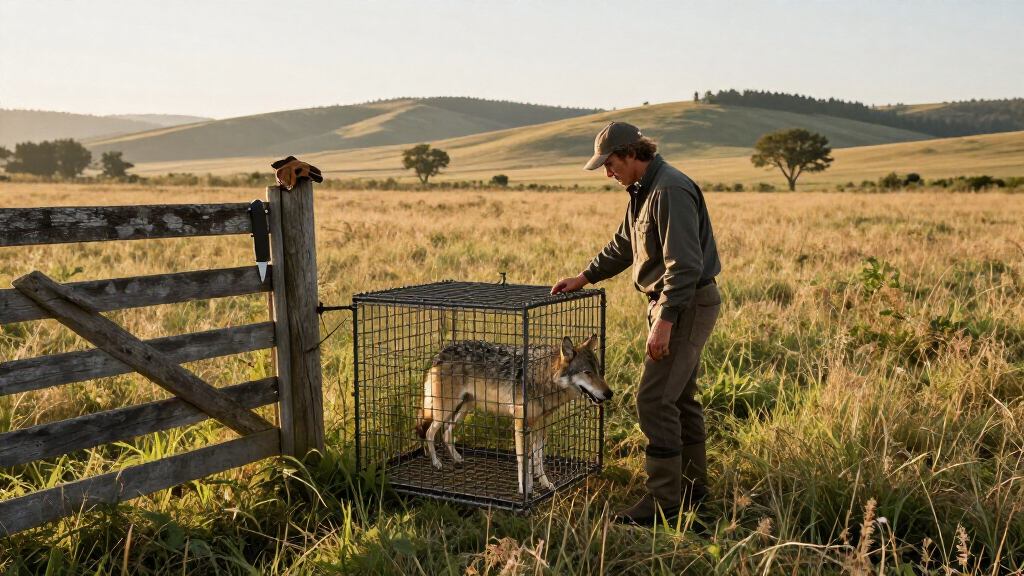
According to sources familiar with the proposal, Trump’s administration is considering delisting wolves from the Endangered Species Act, citing concerns raised by cattle ranchers about wolf predation on livestock. This proposal follows months of increased lobbying from ranching groups, who argue that wolves threaten their herds and economic stability. The move would represent a departure from recent federal protections, which have limited wolf hunting and aimed to recover wolf populations across multiple states.
While the proposal is still under review, some officials and advocates have confirmed that it is being actively discussed within the Department of the Interior. The decision would require formal rulemaking, including public comment periods and environmental assessments. Conservation groups have already voiced opposition, warning that delisting could threaten wolf recovery and disrupt ecological balances. Conversely, ranching organizations have welcomed the potential policy shift, emphasizing the need for increased management flexibility.
Impacts on Wildlife Policy and Ranching Interests
This proposal has broad implications for wildlife management, conservation efforts, and the ranching industry. If enacted, it could lead to a significant increase in wolf hunting and control measures, potentially reducing wolf populations in key areas. For conservationists, this raises concerns about setbacks to wolf recovery and biodiversity. For ranchers, it offers a chance to mitigate livestock losses but raises questions about the long-term ecological impacts and federal oversight. The move signals a possible shift toward more localized and industry-influenced wildlife policies at the federal level.
As an affiliate, we earn on qualifying purchases.
Background on Wolf Protections and Recent Tensions
Wolves have been under federal protection since the 1970s, with protections fluctuating based on regional recovery efforts and political pressures. In recent years, wolf populations have recovered in many states, leading to debates over hunting quotas and management strategies. Cattle ranchers have increasingly voiced concerns about wolf predation, especially in states like Montana, Idaho, and Wyoming. The Biden administration had previously maintained protections, but the Trump-era proposal signals a potential rollback. Public interest in wolf conservation remains high, with search interest spiking following recent policy rumors, though the exact trigger remains unconfirmed.
Historically, wolf delistings have been contentious, with legal battles and political debates shaping policy outcomes. The current proposal appears to be part of a broader trend where industry groups seek greater control over predator management, often citing economic concerns.
livestock predator deterrent devices
As an affiliate, we earn on qualifying purchases.
As an affiliate, we earn on qualifying purchases.
Unconfirmed Aspects of the Proposal and Next Steps
Details of the formal rulemaking process, including the timeline, scope, and specific management measures, remain unclear. It is not yet confirmed whether the proposal will be finalized or face legal challenges. The exact criteria and geographic areas affected are still under discussion, and public response has yet to be fully gauged. The potential influence of political pressures and industry lobbying on the final decision is also uncertain.
cattle ranching predator control products
As an affiliate, we earn on qualifying purchases.
As an affiliate, we earn on qualifying purchases.
Next Steps for Policy Review and Public Engagement
The Department of the Interior is expected to open a public comment period once the proposal is formally published, allowing stakeholders, conservationists, and the general public to weigh in. A final decision could take several months, with possible legal challenges or legislative interventions. Monitoring agencies and advocacy groups are preparing to respond accordingly, and further updates are anticipated as the review process unfolds.
As an affiliate, we earn on qualifying purchases.
Key Questions
What is wolf delisting and why is it controversial?
Wolf delisting refers to removing federal protections that restrict hunting and management of wolves. It is controversial because opponents fear it could lead to overhunting and threaten wolf populations, while supporters argue it allows for better local control and livestock protection.
How might this proposal affect wolf populations?
If implemented, the proposal could lead to increased hunting and control measures, potentially reducing wolf numbers in affected areas. The exact impact depends on the management rules established during the rulemaking process.
What role do ranchers play in this proposal?
Ranchers have been advocating for delisting wolves, citing concerns over livestock predation and economic losses. Their lobbying efforts appear to be a significant influence behind the proposal.
Could this decision be challenged legally?
Yes, legal challenges are likely, especially from conservation groups and states that wish to maintain protections. The outcome will depend on judicial review and public response during the comment period.
When will a final decision be made?
The timeline is uncertain; it could take several months for the Department of the Interior to finalize the rule after the public comment period. Further developments will depend on the review process and potential legal or political interventions.
Source: rss
Fall Picks
fall essentials
As an affiliate, we earn on qualifying purchases.