

Redundancy is your secret weapon in smart outdoor planning because it keeps you prepared for the unexpected. By incorporating multiple firebreaks, water sources, and access routes, you guarantee safety and resilience during emergencies like wildfires. It also helps protect ecosystems, allowing them to adapt and recover faster. Planning for points of failure means your outdoor spaces remain functional and safe, even when disruptions occur. Keep exploring to discover how you can apply these principles effectively.

Get emergency and outdoor gear delivered free — and shop member deals
- Fast, free delivery on millions of items
- Access to Prime Big Deal Days deals on October 6–7
- Prime Video, Amazon Music and more included
Key Takeaways
- Redundancy ensures plans remain effective despite unexpected disruptions or failures in outdoor environments.
- Multiple firebreaks and water sources provide critical backup defenses during wildfires.
- Diverse ecological features enhance ecosystem resilience and facilitate faster recovery after disturbances.
- Backup access points and reconfigurable pathways improve safety and adaptability in emergencies.
- Incorporating redundancy transforms vulnerabilities into robust, strategic defenses, maximizing safety and environmental health.
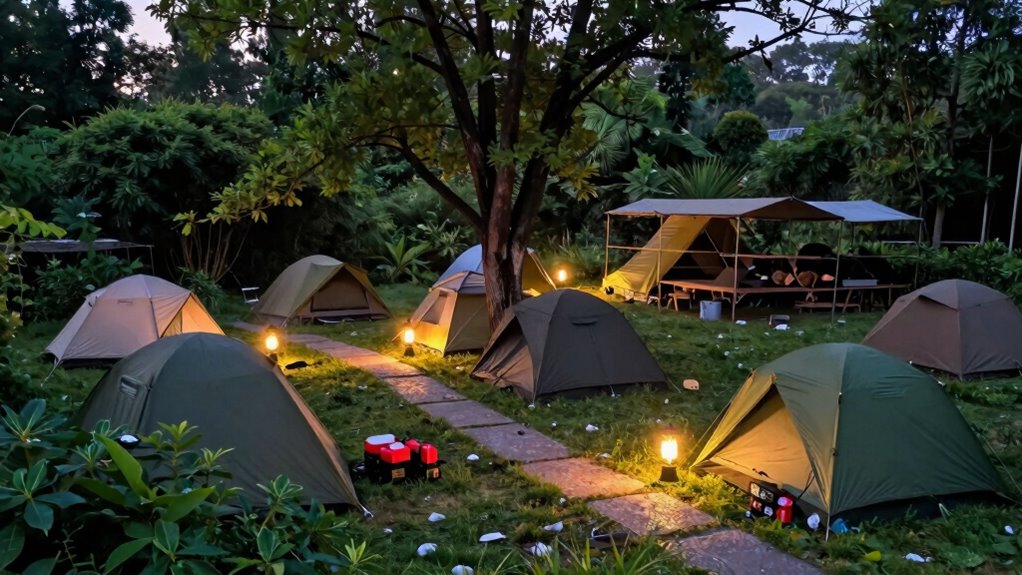
Have you ever wondered why outdoor planning often includes superfluous features? It’s a strategic choice, rooted in the understanding that in outdoor environments, things rarely go as planned. Redundancy isn’t about overdoing it; it’s about building resilience into your plans so that when disruptions happen, they don’t lead to failure. This is especially critical when considering wildfire preparedness. Wildfires can strike unexpectedly, and relying on a single firebreak or one water source isn’t enough. Incorporating multiple firebreaks, additional water supplies, or alternate escape routes means you’re better protected. If one element fails—say, a water source becomes inaccessible—you’ve got backup options ready to deploy. This approach minimizes risk and guarantees safety, even in the face of unpredictable wildfire behavior.
Beyond fire safety, redundancy plays an indispensable role in enhancing environmental resilience. When you design outdoor spaces with multiple layers of protection—such as diverse plantings that reduce erosion or multiple pathways that prevent soil compaction—you’re creating environments that can withstand environmental stresses. Redundant features offer flexibility, allowing ecosystems to adapt and recover from disturbances like storms, droughts, or pests. For example, planting a variety of native species ensures that if one species doesn’t thrive, others will fill the ecological role. This diversity creates a buffer, helping the environment bounce back faster after a disturbance. Additionally, understanding and planning for potential points of failure can significantly improve the robustness of your outdoor projects. Incorporating redundant systems like backup irrigation or alternative access routes is a key part of designing resilient outdoor spaces. Recognizing that uncertainty in nature is inevitable underscores the importance of having multiple options to adapt when surprises occur. Moreover, considering climatic variations in your planning can further strengthen the resilience of outdoor environments against changing weather patterns.
In practical terms, redundancy means planning for the worst while hoping for the best. It involves installing multiple water sources for irrigation or firefighting, creating backup access points, or designing pathways that can be reconfigured if one becomes unusable. These measures might seem excessive at first glance, but they’re an investment in longevity and safety. When a wildfire ignites or a storm hits, your plans with built-in redundancies will serve as a safeguard, reducing the chances of catastrophic failure. This approach is similar to projector technology, where high contrast ratios and color fidelity are crucial for a clear and immersive viewing experience. You’re fundamentally ensuring that no single point of failure can compromise the entire outdoor space or safety protocol.
Ultimately, the secret to smart outdoor planning is recognizing that nature and emergencies are inherently uncertain. By embedding redundancy into your design, you’re not just preparing for the expected—you’re ready for the unexpected. It’s a proactive approach that enhances safety, sustains environmental health, and provides peace of mind. Redundancy isn’t wasteful; it’s a strategic shield that turns vulnerability into resilience, keeping your outdoor spaces functional and safe, no matter what challenges arise.
outdoor firebreaks for wildfire prevention
As an affiliate, we earn on qualifying purchases.
As an affiliate, we earn on qualifying purchases.
Frequently Asked Questions
How Does Redundancy Improve Safety During Outdoor Activities?
Redundancy improves safety during outdoor activities by ensuring you’re prepared for emergencies and unexpected issues. With backup gear, navigation tools, and communication devices, you reduce risks and stay connected, even if primary equipment fails. This approach enhances your emergency preparedness and risk mitigation, giving you peace of mind. By having redundancies in place, you’re better equipped to handle surprises, making your outdoor experience safer and more enjoyable.
What Are Common Mistakes When Implementing Redundancy?
You might fall into the trap of thinking one backup strategy is enough, like relying on a single lifeline in a storm. Common mistakes include neglecting resource diversification and assuming your backup plans will always work seamlessly. Instead, spread your resources like a well-tended garden. Diversify your backup strategies, test them regularly, and avoid overconfidence. This way, your safety nets become woven, resilient, ready to catch you when the unexpected strikes.
How Much Redundancy Is Enough for Outdoor Planning?
You should include enough redundancy to mitigate risks identified in your risk assessment, guaranteeing backup strategies cover critical points. Generally, aim for multiple layers of backup—like secondary power sources, alternative routes, and extra supplies—so your plan remains resilient even if one element fails. Regularly review and test these backups, adjusting the redundancy level as your outdoor plans evolve, to ensure you’re prepared for unforeseen challenges.
Can Redundancy Increase Overall Project Costs Significantly?
Redundancy can increase project costs, but a careful cost analysis helps you strike the right balance. Studies show that well-planned redundancy can reduce long-term expenses by preventing costly delays. By optimizing resource allocation, you avoid unnecessary spending while ensuring backup systems are in place. While initial costs might rise, smart outdoor planning with strategic redundancy minimizes risks, ultimately saving money and boosting project resilience.
How Do You Balance Redundancy With Environmental Impact?
You balance redundancy with environmental impact by selecting eco-friendly materials that minimize harm and support sustainability. Incorporate wildlife considerations by designing redundant systems that avoid disrupting habitats, such as using wildlife corridors or non-invasive structures. Prioritize options that enhance resilience without overburdening the environment. This approach guarantees your outdoor plans are both robust and eco-conscious, maintaining ecological balance while providing necessary redundancies for long-term success.
backup water sources for gardens
As an affiliate, we earn on qualifying purchases.
As an affiliate, we earn on qualifying purchases.
Conclusion
By now, you see how redundancy isn’t just a safety net but a strategic advantage in outdoor planning. It’s the secret weapon that keeps your projects resilient, adaptable, and ready for surprises. Think of it as having a backup plan that’s always there when you need it—like a safety valve that keeps everything running smoothly. Embrace redundancy, and you’ll find your outdoor ventures more reliable and less prone to setbacks. It’s the smart way to stay ahead of the game.
As an affiliate, we earn on qualifying purchases.
As an affiliate, we earn on qualifying purchases.
Halloween Picks
halloween
As an affiliate, we earn on qualifying purchases.