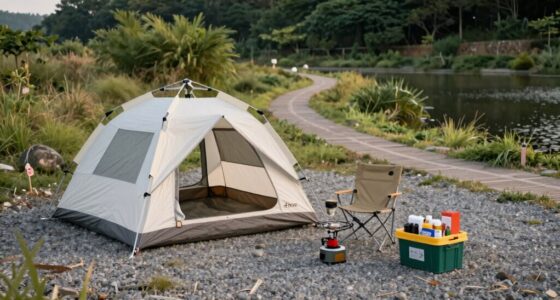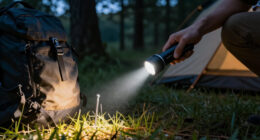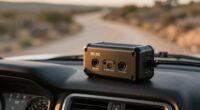
To treat outdoor preparedness as a system, focus on integrating your gear, skills, and routines into a cohesive network. Prioritize versatile items that support multiple functions and develop regular practices like gear checks, signal drills, and resource monitoring. Think of your equipment as parts of a strategic plan that work together for safety and efficiency. If you stay consistent and keep refining your approach, you’ll build a resilient system that adapts to challenges. Keep exploring to strengthen your outdoor safety strategy.

Get emergency and outdoor gear delivered free with Prime
- Fast, free delivery on millions of items
- Prime Video, Amazon Music and more included
- Member-only deals all year
Key Takeaways
- View gear and skills as interconnected components forming a cohesive, adaptable system rather than isolated items.
- Develop routines for gear checks, signal practice, and resource management to ensure reliability and efficiency.
- Prioritize versatile, multi-purpose items that serve multiple roles within your preparedness system.
- Regularly evaluate and adapt your resources and procedures based on changing conditions and lessons learned.
- Incorporate communication methods and resource strategies into daily practices to build confidence and system resilience.

Outdoor preparedness isn’t just about gathering gear or memorizing survival tips; it’s about creating a cohesive system that works seamlessly when you need it most. When you approach preparedness this way, you’re focusing on how each component interacts to support your safety and efficiency. The key is to think of your gear and skills as parts of an interconnected network rather than isolated items. This mindset helps you prioritize what’s truly essential and guarantees everything you carry serves a specific purpose within your overall plan.
One of the most critical aspects of this system is emergency communication. It’s not enough to have a radio or a signal mirror; you need a reliable way to stay connected with others and call for help if needed. Your communication plan should include multiple methods—such as a satellite phone, a whistle, and visual signals—so that if one fails, others can still work. Practicing these methods regularly ensures you’ll remember how to use them under stress. Also, confirm your devices are charged, stored properly, and compatible with your environment. This way, emergency communication becomes a seamless part of your system rather than an afterthought. Additionally, understanding the contrast ratio of your communication devices or visual signals can help ensure they are effective in different lighting conditions.
Resource management is equally crucial. It’s easy to think about packing enough supplies, but true preparedness involves understanding how to conserve and utilize those resources efficiently. You want to minimize waste and prioritize items that serve multiple functions. For instance, a multi-tool can replace several single-use items, and a lightweight tarp can provide shelter, ground cover, or rain protection. Managing your resources also means knowing your consumption rate and planning for contingencies. When you treat resource management as part of your system, you’re constantly evaluating what’s left, what’s needed, and how to adapt your usage based on changing conditions.
Integrating these elements—emergency communication and resource management—into your overall system means you’re not just reacting to situations but proactively controlling them. You develop routines for checking your gear, practicing signals, and adjusting your resource use. This systemic approach reduces chaos and increases your confidence, knowing your preparedness isn’t a random collection of items but a well-thought-out, dynamic system. When each piece works together, you’re better equipped to handle surprises, stay safe, and adapt to whatever outdoor challenge comes your way. Ultimately, treating outdoor preparedness as a system transforms it from a list of things into a strategic, effective approach to outdoor safety.
As an affiliate, we earn on qualifying purchases.
Frequently Asked Questions
How Do I Prioritize Different Outdoor Preparedness Components?
You should prioritize outdoor preparedness components based on personal safety and emergency communication. First, assess your environment and identify risks, then guarantee you have essential gear like first aid kits and navigation tools. Next, focus on reliable emergency communication methods, such as radios or cell phones with extra batteries. By systematically addressing safety and communication, you create a balanced system that keeps you prepared for various outdoor situations.
What Are Common Mistakes in Outdoor Preparedness Systems?
A common mistake in outdoor preparedness systems is neglecting emergency communication plans and shelter construction. You might overlook the importance of reliable communication devices, leaving you isolated during emergencies. Additionally, rushing shelter construction without proper planning can compromise safety and comfort. To avoid these mistakes, prioritize establishing a solid communication plan and practicing shelter setup, ensuring your system is resilient and ready for any situation.
How Often Should I Review or Update My Preparedness System?
You should review and update your preparedness system at least twice a year, ideally before storm seasons or other high-risk times. During these reviews, check your emergency communication devices to make certain they’re working, and inspect your shelter for maintenance needs. Regular updates help you stay ready for changing conditions, ensuring your system remains effective and reliable when you need it most.
Can a Preparedness System Adapt to Different Environments?
Absolutely, your preparedness system can adapt to different environments. By focusing on environmental adaptability, you guarantee your gear and plans suit diverse conditions. Emphasize resource flexibility, so your supplies and skills can shift with surroundings. Think about versatile tools and adaptable strategies that work across terrains and climates. This approach keeps you prepared, no matter where you wander, transforming your system into a resilient, responsive resource for every outdoor adventure.
What Tools Help in Managing a Comprehensive Outdoor Preparedness System?
Tools like emergency communication devices and versatile shelter solutions are essential for managing a thorough outdoor preparedness system. They help you stay connected and protected in various situations. Radios, satellite phones, and signaling devices ensure you can communicate during emergencies, while lightweight, adaptable shelters provide safety and comfort. These tools streamline your approach, making your preparedness system more efficient and resilient across different environments.
outdoor emergency communication devices
As an affiliate, we earn on qualifying purchases.
As an affiliate, we earn on qualifying purchases.
Conclusion
Treating outdoor preparedness as a system means you’re always ready, not just reactive. Instead of a shopping list, think of it as a flexible, interconnected process that adapts to your environment and needs. The truth is, this approach increases your confidence and safety, making you more resilient in unexpected situations. When you see preparedness as a system, you’re better equipped to handle anything that comes your way, turning preparation into an ongoing, empowering practice.
compact resource management kits
As an affiliate, we earn on qualifying purchases.
As an affiliate, we earn on qualifying purchases.
As an affiliate, we earn on qualifying purchases.
Halloween Picks
halloween
As an affiliate, we earn on qualifying purchases.