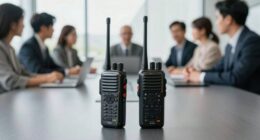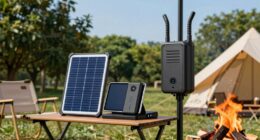

Emergency planning is more important than expensive gear because it helps you understand your community’s risks, strengthen coordination efforts, and create clear response strategies. Relying solely on costly equipment can give a false sense of security, but proper planning and knowledge are what truly keep you safe during disasters. By focusing on tailored responses and community support, you build resilience that gear alone can’t provide. Keep exploring to discover how you can develop a solid plan.
Key Takeaways
- Effective emergency planning ensures coordinated community responses, reducing reliance on costly equipment that may be ineffective without proper strategy.
- Understanding local hazards allows for tailored, practical measures that often outperform expensive gear in protecting lives.
- Building community networks and communication channels provides a resilient safety net beyond individual possessions.
- Proper planning addresses vulnerabilities and leverages community strengths, making preparedness more sustainable and accessible.
- Knowledge-driven strategies focus on prevention and response, often providing better protection than high-cost, specialized equipment.
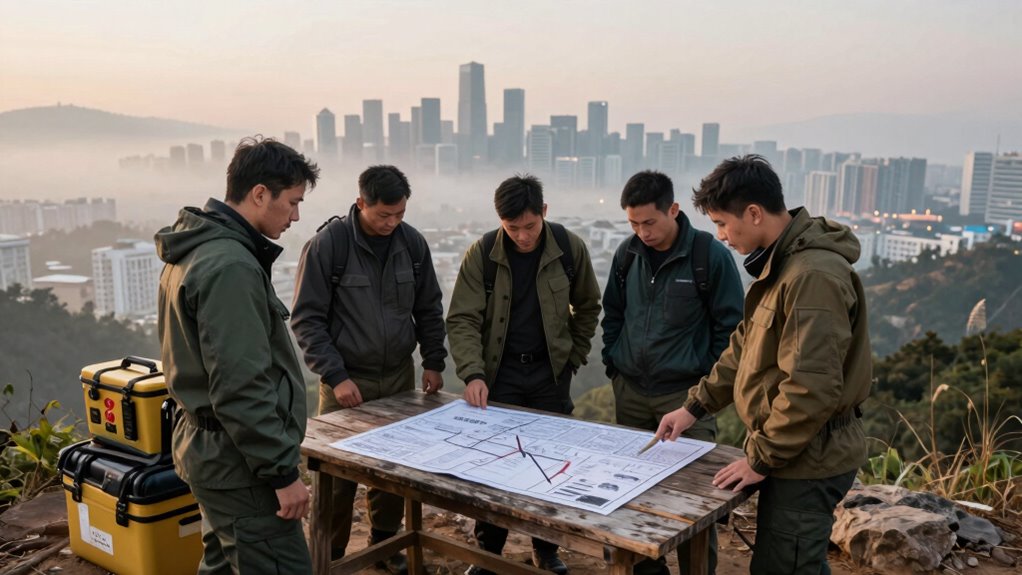
In today’s unpredictable world, having a solid emergency plan isn’t just a good idea—it’s essential for protecting yourself and those around you. While many focus on buying expensive gear like high-tech radios or survival tools, the real foundation of safety lies in community preparedness and thorough risk assessment. These elements are often overlooked, yet they can make the difference between chaos and control when disaster strikes.
Community preparedness involves more than just individual readiness; it’s about building a network of informed, prepared people who can support each other during crises. When you take the time to understand your community’s strengths and vulnerabilities, you can coordinate efforts more effectively, share resources, and develop clear communication channels. This collective approach ensures that you’re not relying solely on individual supplies or gear, which may be insufficient or useless without proper coordination. Knowing your neighbors’ skills, resources, and needs allows you to create a robust safety net that’s far more resilient than any expensive gear. Additionally, understanding disaster response strategies can help you act swiftly and effectively in critical moments. Moreover, familiarizing yourself with natural hazards specific to your area can guide you in customizing your emergency responses.
Community collaboration and awareness strengthen resilience far beyond individual supplies.
Risk assessment is a critical step in emergency planning that often gets pushed aside in favor of stocking up on supplies. By accurately identifying the threats you’re most likely to face—be it floods, earthquakes, or power outages—you can tailor your preparedness efforts accordingly. This doesn’t require costly equipment; it requires understanding the hazards specific to your location and developing practical strategies to address them. For example, if your area is prone to flooding, you might focus on elevating important documents or creating evacuation routes rather than investing in high-end flood barriers. Understanding hazards helps you prioritize actions and resources, ensuring your plan is efficient and relevant.
Additionally, having knowledge of home theater projectors and their capabilities can serve as an inspiring example of how understanding technology and proper planning can enhance your overall preparedness, whether for entertainment or emergency situations. Focusing on community preparedness and risk assessment emphasizes the importance of planning over possessions. It’s about knowing what to do before, during, and after an emergency, rather than relying solely on expensive gear that may or may not work when you need it most. Emergency planning isn’t just about having the right tools; it’s about understanding the bigger picture—how your community functions, what risks are most pressing, and how everyone can work together to stay safe. When you invest your time in these foundational elements, you create a preparedness strategy that’s flexible, cost-effective, and truly capable of safeguarding you and your loved ones when disaster hits.

Church Security Team Planning Guide and Template: A Complete Planning Manual for Developing a Faith-Centered, Legally Conscious Church Security Team
As an affiliate, we earn on qualifying purchases.
As an affiliate, we earn on qualifying purchases.
Frequently Asked Questions
How Often Should Emergency Plans Be Reviewed and Updated?
You should review and update your emergency plans at least once a year, especially after conducting risk assessments or experiencing any significant incidents. Regular reviews help you identify new risks and adjust resource allocation effectively. Keep your plan current by involving key team members, testing procedures, and considering changes in your environment or operations. This proactive approach guarantees your plan remains responsive and effective during emergencies.
Who Should Be Involved in Creating an Emergency Plan?
Think of your emergency plan as a symphony—everyone plays a crucial part. You should involve key stakeholders like staff, emergency responders, and safety experts, because risk assessment and resource allocation depend on diverse insights. Together, you’ll identify vulnerabilities, assign roles, and guarantee a coordinated response. By including all relevant parties, you create a resilient plan that adapts to any challenge, making everyone’s safety a harmonious goal.
How Can Small Businesses Implement Effective Emergency Planning?
You can implement effective emergency planning by conducting a thorough risk assessment to identify potential threats. Then, allocate resources wisely to develop clear procedures for various scenarios. Involve your team in creating and practicing the plan, ensuring everyone understands their roles. Regularly review and update your plan based on new risks or changes in your business. This proactive approach minimizes damage and keeps your business resilient during emergencies.
What Training Is Necessary for Emergency Preparedness?
You need to train your team in evacuation procedures, turning them into a well-oiled safety machine. Practice communication strategies so everyone stays in sync during chaos. Conduct regular drills, simulate real emergencies, and teach your staff how to react swiftly and confidently. This training creates a safety net, transforming uncertainty into preparedness. When disaster strikes, your team will act with purpose, not panic, because they’re ready for anything.
How Do Emergency Plans Adapt to Different Types of Disasters?
You adapt your emergency plans by tailoring disaster communication strategies to each specific event, ensuring clear info flow during crises. You also adjust resource allocation based on the disaster’s nature—prioritizing supplies, personnel, and support where needed most. By reviewing potential scenarios regularly, you keep your plans flexible, allowing quick modifications for floods, fires, or earthquakes. This proactive approach helps you respond efficiently, minimizing damage and safeguarding everyone involved.
Leading After the Storm: How to Communicate, Calm, and Coordinate in the Wake of Disaster
As an affiliate, we earn on qualifying purchases.
As an affiliate, we earn on qualifying purchases.
Conclusion
Remember, having a solid emergency plan is like building a sturdy bridge over unpredictable waters—you’ll stay afloat no matter what. Expensive gear can help, but it’s no substitute for preparation and knowing what to do when disaster strikes. By planning ahead, you’re not just reacting to emergencies—you’re proactively ensuring safety and peace of mind. So, don’t wait for a crisis to hit; invest your time now, and stay prepared like a seasoned sailor steering through rough seas.
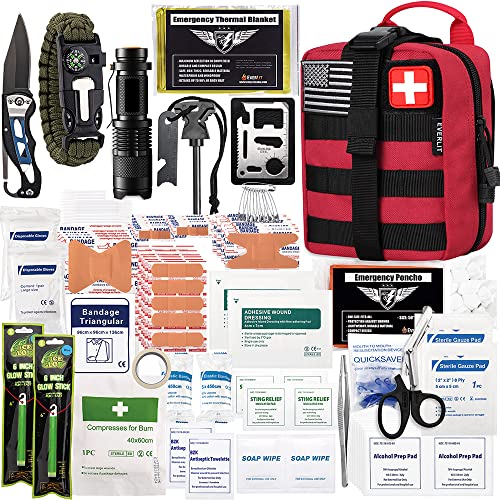
EVERLIT 250 Pieces Survival First Aid Kit IFAK EMT Molle Pouch Survival Kit Outdoor Gear Emergency Kits Trauma Bag for Camping Boat Hunting Hiking Home Car Earthquake and Adventures Red
✅【250 PCS First Aid Survival Kit, Meaningful and Cool Gifts Ideas for Families and Outdoorsman】Designed by army veterans…
As an affiliate, we earn on qualifying purchases.
As an affiliate, we earn on qualifying purchases.
The Senior Prepper’s Survival Guide, Volume 2: Emergency Ready Plans for Evacuation, Off-Grid Power, Home Security, and Long-Term Resilience: A 5-in-1 Survival Blueprint for Seniors
As an affiliate, we earn on qualifying purchases.
As an affiliate, we earn on qualifying purchases.