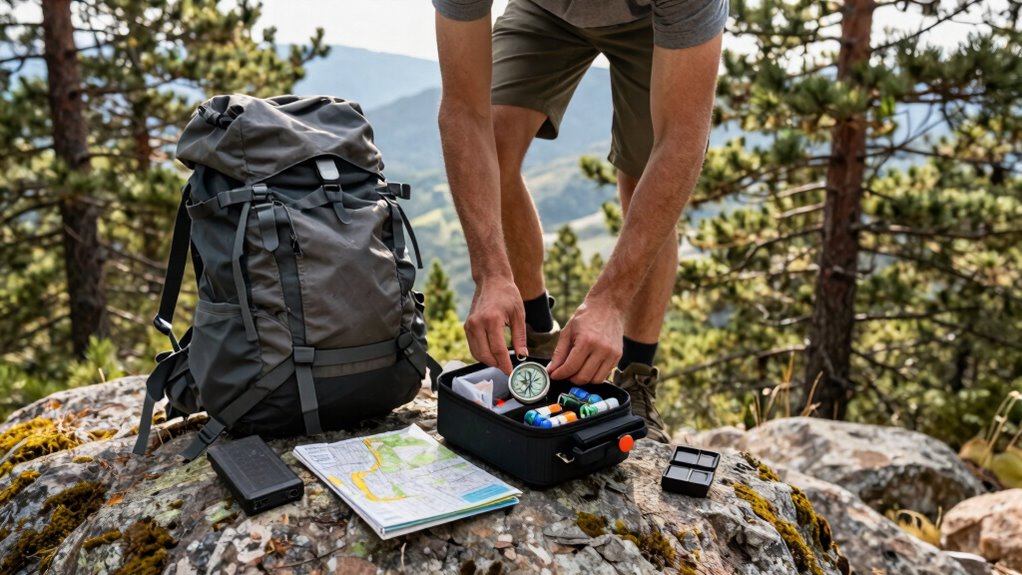

To build a better backup mindset for outdoor trips, focus on mental readiness and thorough planning. Assess risks beforehand by considering weather, terrain, and your limits. Prepare contingency plans, carry extra supplies, and practice navigation skills. Stay flexible so you can adapt when plans change unexpectedly. Regularly develop your confidence by training for emergencies. Keep honing these skills and strategies, and you’ll become more resilient and ready for anything that comes your way.

Get emergency and outdoor gear delivered free — and shop member deals
- Fast, free delivery on millions of items
- Access to Prime Big Deal Days deals on October 6–7
- Prime Video, Amazon Music and more included
Key Takeaways
- Regularly practice navigation and emergency procedures to build confidence in handling unexpected situations.
- Conduct thorough risk assessments and plan alternative routes and shelter options.
- Carry essential supplies and know how to conserve resources during emergencies.
- Maintain mental readiness by staying calm, flexible, and adaptable to changing conditions.
- Review and update your plans and skills regularly to strengthen preparedness and resilience.
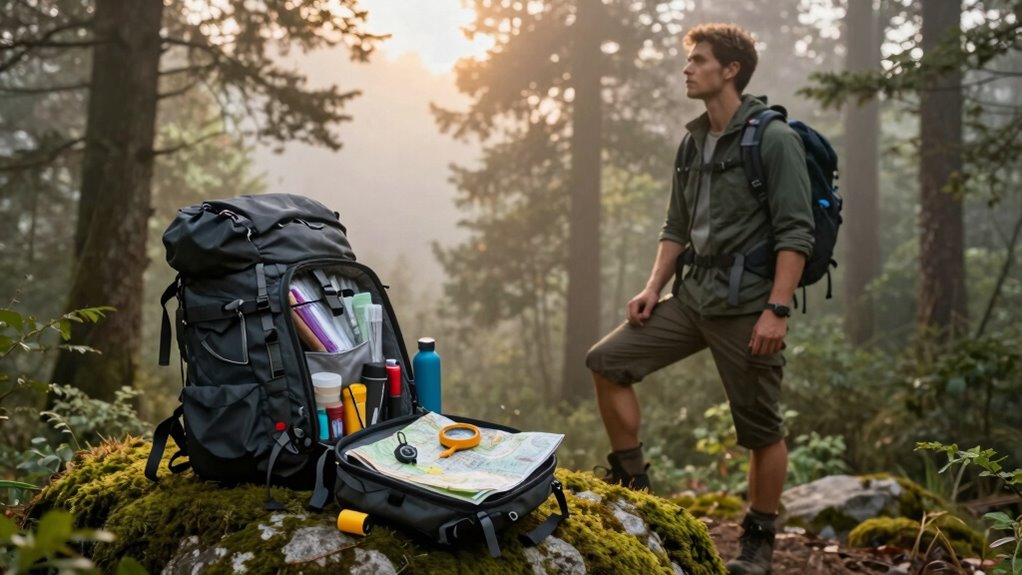
When heading into the outdoors, having a solid backup mindset can mean the difference between a safe adventure and a risky situation. It’s essential to recognize that no matter how well you prepare, things can go wrong. That’s where emergency preparedness comes into play. Developing a backup mindset isn’t just about packing extra gear; it’s about mentally preparing for the unexpected. You need to think ahead about potential risks and how you’ll respond if things don’t go as planned. This approach helps you stay calm and focused, even when faced with unforeseen challenges.
Start by performing a thorough risk assessment before your trip. Identify possible hazards specific to your destination—think about weather changes, terrain difficulties, wildlife encounters, and your own physical limits. Once you understand the risks involved, you can plan accordingly. For example, if heavy rain is forecasted, you’ll want to bring appropriate waterproof gear and consider alternative routes that avoid flood-prone areas. If you’re venturing into remote wilderness, having a communication plan, like carrying a satellite phone or emergency beacon, becomes essential. Risk assessment isn’t just about avoiding danger; it’s about being prepared to handle it if it occurs. Incorporating emergency communication devices into your planning can greatly enhance your safety.
A key part of building a backup mindset involves having contingency plans. Know what to do if you get lost, injured, or your gear fails. Practice navigation skills, so you’re confident in finding your way back if you stray off trail. Make sure someone knows your itinerary and check-in times, so help can be dispatched if needed. Carry extra supplies—food, water, first aid kits, and tools—that can sustain you longer than expected. These measures aren’t just for peace of mind; they’re indispensable components of your emergency preparedness strategy. Additionally, understanding how to manage resources effectively can help you conserve supplies and adapt to changing circumstances. Recognizing the importance of a risk assessment as part of your planning can make a significant difference in your overall safety. Incorporating preparedness skills through training or practice can further boost your confidence and readiness.
Flexibility is also essential. Your initial plan might not survive contact with reality, but maintaining a backup mindset means adapting quickly. When circumstances change, you should be ready to modify your plans, reassess risks, and implement your backup strategies. The more you practice anticipating problems, the more natural it becomes to respond effectively. Remember, the goal isn’t to eliminate all risks—that’s impossible—but to be prepared enough that risks don’t turn into emergencies. Building this mindset takes effort, but it ensures that whenever you venture outdoors, you’re ready for whatever comes your way.
As an affiliate, we earn on qualifying purchases.
Frequently Asked Questions
How Do I Choose the Best Backup Gear for Specific Outdoor Activities?
You choose the best backup gear by considering the specific outdoor activity and potential risks involved. Prioritize gear redundancy, like extra batteries or backup communication devices, especially for emergency communication. Select durable, reliable equipment suited for weather and terrain conditions. Think about multi-use items to save space, and always test your backup gear beforehand. This way, you’re prepared for surprises, ensuring safety and peace of mind during your outdoor adventures.
What Are Common Mistakes in Backup Planning During Outdoor Trips?
You might think your backup plan is enough, but overlooking emergency communication or weather contingency can be disastrous. Common mistakes include underestimating risks, relying too heavily on a single backup, or not updating plans for changing conditions. You could face real danger if you ignore these details. Stay proactive by always considering how you’ll communicate in emergencies and adapt your backup plan to unpredictable weather, ensuring safety when it matters most.
How Often Should I Review and Update My Backup Strategies?
You should review and update your backup strategies at least once a year, especially after major trips. Conduct a risk assessment to identify new potential hazards and guarantee your gear is well-maintained and functional. Regularly testing your backup plans helps you spot weaknesses early. Staying proactive by revisiting your strategies keeps you prepared for unexpected situations, giving you confidence and safety during outdoor adventures.
What Psychological Factors Influence My Backup Mindset in Emergencies?
Imagine you’re hiking and suddenly face a minor injury; your risk perception kicks in. Psychological factors like overconfidence can make you underestimate emergencies, while fear may cause paralysis. Building a backup mindset depends on understanding these influences. By consistently practicing scenarios and trusting your skills, you enhance decision confidence, ensuring you respond calmly and effectively in emergencies. Recognizing these factors helps you stay prepared and resilient when it matters most.
How Can I Train Myself to Stay Calm and Think Clearly in Backup Situations?
To stay calm and think clearly in backup situations, focus on building mental resilience through regular practice and mindfulness exercises. When faced with emergencies, take deep breaths and pause to assess the situation calmly. Improving your decision-making skills by reviewing potential scenarios beforehand helps you respond confidently. Consistent preparation, staying positive, and trusting your training enable you to maintain clarity and make effective decisions when it matters most.
satellite communication device for hiking
As an affiliate, we earn on qualifying purchases.
As an affiliate, we earn on qualifying purchases.
Conclusion
By embracing a backup mindset, you’re not just preparing for minor mishaps—you’re armor-plating your adventure against the chaos of the wild. Think of your backups as a safety net woven from the strongest threads, ready to catch you when the unexpected strikes. With this mindset, you’ll navigate outdoor trips with confidence, turning potential disasters into mere blips on the horizon. Remember, a well-prepared adventurer is an unstoppable force in the wild’s universe!
waterproof backpack for outdoor trips
As an affiliate, we earn on qualifying purchases.
As an affiliate, we earn on qualifying purchases.
compass and navigation tools for hiking
As an affiliate, we earn on qualifying purchases.
As an affiliate, we earn on qualifying purchases.
Fall Picks
fall essentials
As an affiliate, we earn on qualifying purchases.