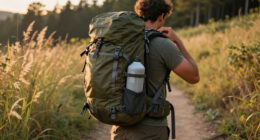
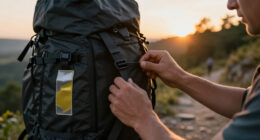
To stormproof your gear, start by inspecting for weak spots, seams, and zippers, and seal them with waterproof tape or seam sealer. Use waterproof sprays and durable water repellent (DWR) treatments on fabrics to boost resistance. For quick fixes, wrap gear in plastic bags or use tarps and ponchos for immediate protection. Tactics like these, combined with tech tools, help you stay dry; keep exploring to learn more effective solutions.
Open a free Amazon Business account
Business pricing, bulk buying and tax-exempt orders.
As an affiliate, we earn on qualifying purchases.
Key Takeaways
- Inspect gear regularly for weak spots, seams, and zippers; seal them with waterproof tape or seam sealant to prevent leaks.
- Apply waterproof sprays or DWR treatments to enhance fabric hydrophobicity and improve water resistance.
- Use quick DIY covers like ponchos, tarps, or plastic wraps secured tightly to shield gear during unexpected storms.
- Store items in waterproof containers and wrap packs in plastic bags as immediate, portable waterproofing solutions.
- Reinforce vulnerable points with seam sealers and waterproof tape, and layer moisture-wicking clothing under waterproof outer gear.

When storm clouds gather and rain begins to pour, your gear needs to be ready to handle the elements. Staying dry isn’t just about comfort; it’s about safety and maintaining your gear’s longevity. One of the most effective ways to achieve this is by understanding waterproof fabrics. These materials are specially designed to repel water while remaining breathable, making them ideal for outdoor gear. If you find yourself caught in unexpected rain without proper protection, emergency waterproofing becomes essential. You can quickly add a waterproof layer to your existing gear with simple DIY hacks, giving you a temporary shield against the storm.
Start by inspecting your gear for any weak spots or seams that might let water seep through. Using a waterproof spray or sealant can instantly boost your gear’s resistance to water. Spray it generously over jackets, backpacks, and tents, paying special attention to seams and zippers. These are common entry points for moisture, so sealing them with a waterproof tape or seam-sealer will *considerably* improve your gear’s waterproofing. If you’re dealing with a fabric that isn’t inherently waterproof, consider applying a durable water repellent (DWR) treatment. These sprays create a hydrophobic layer that causes water to bead up and roll off, protecting your gear during light rain or drizzle.
In a pinch, you can also use plastic bags or trash liners as a temporary waterproof cover. Wrap your pack or clothing in thick plastic, then secure it with elastic bands or zip ties. This quick fix can keep your belongings dry long enough to find proper shelter or make repairs. For clothing, layering is key—wearing moisture-wicking base layers underneath waterproof outer layers can keep you dry and comfortable. If you have access to emergency waterproofing supplies, like a seam sealer or waterproof tape, use them to reinforce any vulnerable areas on your gear.
You can also make your own waterproof covers from lightweight materials like ponchos or tarps. Cut the material to size, then secure it over your backpack or gear with cords or clips. This DIY approach is especially useful when you’re caught off guard and need an immediate solution. Remember, the goal is to prevent water from penetrating your gear, so focus on sealing seams, zippers, and vulnerable points. Combining waterproof fabrics with emergency waterproofing techniques ensures you stay dry, whether it’s a sudden downpour or a prolonged storm. To further enhance your gear’s resistance, consider storing items in waterproof containers when possible. With a few quick adjustments, you can confidently face the weather and keep your gear intact and functional.
waterproof seam sealer for outdoor gear
As an affiliate, we earn on qualifying purchases.
As an affiliate, we earn on qualifying purchases.
Frequently Asked Questions
What Materials Are Best for Waterproofing Outdoor Gear?
You should choose waterproof fabric like Gore-Tex or nylon with a durable water repellent (DWR) coating for effective protection. To enhance waterproofing, use sealing techniques such as seam sealing tape and waterproof sprays. These materials and methods create a barrier that keeps water out while maintaining breathability. Regularly reapplying waterproof sprays and inspecting seams guarantees your gear stays dry, even in heavy rain or snow.
How Often Should I Reapply Waterproof Treatments?
You should reapply waterproofing treatments every 4 to 6 months, depending on your gear’s usage and treatment durability. If you notice your gear isn’t repelling water as well, it’s time for a fresh coat. Regular reapplication guarantees your gear stays stormproof and maintains ideal waterproofing frequency. Keep an eye on how your gear performs in wet conditions, and don’t wait too long to refresh the treatment.
Can DIY Waterproofing Damage My Gear?
Diy waterproofing risks can definitely cause gear damage if you’re not careful—you might turn your gear into a soggy mess or weaken its fabric. While it’s usually safe if you follow instructions precisely, improper application or using the wrong products could ruin your gear. To avoid gear damage concerns, test on a small area first and use recommended products. When done right, you won’t just stay dry—you’ll extend your gear’s life.
Are There Eco-Friendly Waterproofing Options Available?
Yes, eco-friendly waterproofing options are available. You can use biodegradable sprays that protect your gear without harming the environment. Natural fabric treatments, like beeswax or plant-based oils, also offer effective water resistance while being gentle on nature. These options are safer for you and the planet, ensuring you stay dry while reducing your ecological footprint. Always check product labels to confirm their eco-friendly credentials before application.
How Do I Test if My Gear Is Fully Waterproof?
Ever wondered if your gear truly keeps water out? To test it, spray or pour water on the fabric and check for leaks while considering fabric breathability. Use waterproof fabric types like Gore-Tex or sealed seams for better protection. If water beads up and doesn’t penetrate, your gear is likely waterproof. Remember, a good test balances water resistance with breathability, ensuring you’re dry and comfortable during storms.
DWR waterproof spray for jackets
As an affiliate, we earn on qualifying purchases.
As an affiliate, we earn on qualifying purchases.
Conclusion
Now that you know these DIY hacks and tech solutions, staying dry in any storm is within your reach. With a little effort, your gear will be ready to face the worst weather. So, why let a storm catch you off guard? Take action today and stormproof your gear—because staying dry isn’t just comfortable, it’s essential. Are you ready to conquer the elements and keep your gear safe no matter what nature throws your way?
reusable waterproof tarp for camping
As an affiliate, we earn on qualifying purchases.
As an affiliate, we earn on qualifying purchases.
plastic bag waterproof pack cover
As an affiliate, we earn on qualifying purchases.
As an affiliate, we earn on qualifying purchases.
Fall Picks
fall essentials
As an affiliate, we earn on qualifying purchases.