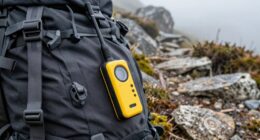
To keep your tent dry and reduce condensation, try using tech solutions like automatic vents that adjust airflow based on humidity levels, combined with moisture sensors to monitor interior humidity. Pair these with small battery-powered fans to ensure continuous air circulation, and incorporate moisture gauges to track changes. Using these advanced tools helps prevent dampness and mold, making your tent more comfortable. Keep exploring to discover even more effective strategies for staying dry indoors.
Key Takeaways
- Use automatic vents that adjust airflow based on humidity levels to prevent condensation.
- Deploy battery-powered fans or small circulators to actively improve ventilation inside the tent.
- Incorporate moisture sensors or gauges to monitor humidity and optimize ventilation strategies.
- Combine mechanical ventilation with moisture-absorbing products like silica gel or dehumidifier bags.
- Implement smart tent systems that automatically open vents or activate fans when humidity exceeds set thresholds.

Humidity refers to the amount of moisture in the air, and it plays a crucial role in our daily environment. When you’re inside a tent, managing that humidity becomes crucial to prevent condensation, which can lead to dampness, mold, and discomfort. One of the most effective ways to handle this is by using proper ventilation techniques. Good airflow helps exchange humid air with drier air from outside, reducing moisture buildup inside your tent. You can achieve this by opening vents, adjusting windows, or using specialized ventilation ports. If your tent has adjustable vents, make sure to open them during the day when there’s less rain and humidity outside. This continuous airflow not only decreases internal moisture but also helps keep the interior fresh and comfortable. When conditions are humid, using a small fan or battery-powered vent can boost airflow, especially in warm weather or during extended stays. This active circulation prevents stagnant, moist air from settling in, significantly lowering the chances of condensation forming on your tent walls or gear.
Implementing moisture control is another essential aspect of maintaining a dry interior. It involves more than just ventilation; it includes managing the sources of moisture and employing strategies to absorb excess humidity. For example, you can use moisture-absorbing products like silica gel packs, dehumidifier bags, or even charcoal briquettes to help draw moisture from the air inside your tent. These items are compact, affordable, and easy to use, making them perfect for camping trips. Additionally, controlling moisture sources—such as avoiding cooking or boiling water inside the tent or ensuring wet clothing and gear are dry before packing them away—can dramatically reduce internal humidity. When you pack wet gear or damp clothes, you introduce additional moisture, which can quickly lead to condensation issues. Drying these items outside or in a well-ventilated area before bringing them into the tent can make a big difference.
Using technology solutions like moisture gauges and automatic vents can further optimize your moisture management strategies by providing real-time data and automated airflow adjustments. Combining ventilation techniques with moisture control strategies gives you a comprehensive approach to keeping your tent dry. Regularly check and adjust vents, use active airflow devices, and keep moisture-absorbing materials handy. These tech solutions not only help prevent condensation but also improve overall comfort, allowing you to enjoy your outdoor experience without the annoyance of damp, musty interiors. With proper moisture management, you’ll find your tent stays fresher longer, and you’ll wake up feeling more rested and ready for the day’s adventures.

4 Inch Inline Duct Fan 6Speed Temperature Humidity Sensor,Timer Remote
- 6-Speed Manual and Auto Control: Adjust speeds manually or automatically based on conditions
- Smart Humidity and Temperature Sensor: Automatically activates fan based on preset levels
- Real-Time Digital Monitoring: Displays current temperature and humidity levels
As an affiliate, we earn on qualifying purchases.
As an affiliate, we earn on qualifying purchases.
Frequently Asked Questions
Can I Use a Dehumidifier Inside My Tent?
You can’t really use a dehumidifier inside your tent because they’re too bulky and require power sources that aren’t practical outdoors. Instead, consider portable heaters to help reduce moisture buildup and moisture absorbers, like silica gel packs or desiccant bags, to keep the interior dry. These solutions are more effective, portable, and safe for camping, helping you stay comfortable without risking damage or safety hazards.
What Are the Best Materials to Prevent Condensation?
You should choose tent fabrics like polyester or nylon with a tight weave, which help prevent moisture from penetrating. Additionally, look for tents with built-in moisture barriers or waterproof coatings that block condensation from seeping inside. These materials work together to minimize humidity buildup, keeping your tent interior dry. Proper ventilation also plays a vital role, allowing moist air to escape and reducing the chances of condensation forming.
How Does Ventilation Impact Humidity Levels?
Ventilation benefits your tent by increasing airflow, which helps reduce humidity levels. When you open vents or windows, moisture exchange occurs more efficiently, allowing moist air to escape and dry air to enter. This process prevents condensation buildup inside your tent, keeping it dry and comfortable. Proper ventilation is essential for maintaining ideal humidity levels, especially in damp conditions. You’ll notice less fogging and fewer wet spots, making your camping experience more enjoyable.
Are Chemical Desiccants Effective for Tents?
Chemical desiccants like silica gel can help reduce moisture inside your tent, but they aren’t foolproof. They act as moisture absorbers, pulling humidity from the air, which can make your tent feel drier temporarily. However, for consistent moisture control, rely on proper ventilation and moisture blockers. Chemical absorbers work best alongside these methods, rather than replacing them, ensuring your tent stays dry and comfortable during your trip.
How Do External Weather Conditions Affect Moisture Buildup?
External weather conditions act like an uninvited guest, bringing unpredictable moisture into your tent. High campground humidity and outdoor moisture seep through fabric, turning your shelter into a damp sponge. Rain, dew, and damp air intensify condensation, making it harder to stay dry. You’ll notice increased moisture buildup on cooler surfaces, so keeping an eye on weather patterns helps you prepare and choose the right gear to combat these moisture intruders.

FRIZCOL 3-in-1 Camping Fan – Portable Fans Rechargeable – 24000mAh Battery Powered Fan with Light & Remote for Indoor, Outdoor, Tent, Travel, Fishing, Jobsite, Gifts for Men Dad Him – Green
- Large 24000mAh Battery: Long-lasting 11-60 hour runtime
- Multiple Speed Settings: 4 energy-efficient, powerful speeds
- Quiet Operation: Less than 30 dB noise level
As an affiliate, we earn on qualifying purchases.
As an affiliate, we earn on qualifying purchases.
Conclusion
By addressing humidity and condensation with simple tech solutions, you create a more comfortable, inviting space inside your tent. Embracing these solutions helps maintain the perfect balance, ensuring your adventures stay enjoyable and seamless. With a little effort, you’ll find that a dry, cozy interior becomes second nature, allowing you to focus on the beauty outside rather than the dampness within. Ultimately, a well-ventilated tent turns every trip into a truly invigorating escape.

General Tools Digital Moisture Meter MMD7NP – Humidity Sensor- Pinless and Non-Invasive
- Moisture Detection Type: Pinless and non-invasive
- Application: Detects moisture in wood and walls
- Display Features: Backlit LCD and LED bar graph
As an affiliate, we earn on qualifying purchases.
As an affiliate, we earn on qualifying purchases.

GamPark 50 Pack 5 Gram Desiccant Packs for Storage, Premium Silica Gel Packets (Rechargeable & Color Indicating), Safe Food Grade Moisture Absorbers for Storage Bins, Electronics, 3D Filament
- High-Efficiency Moisture Control: Rapid absorption for storage protection
- Food-Grade Safe Materials: Safe for contact with consumables
- Reusable & Economical: Rechargeable for long-term use
As an affiliate, we earn on qualifying purchases.
As an affiliate, we earn on qualifying purchases.