
TL;DR
Experts recommend five proven strategies to prevent ticks in your yard, including regular mowing, creating barriers, planting repellent plants, and using natural sprays. These measures help reduce tick habitats and protect against diseases like Lyme disease.
Experts recommend five proven methods to prevent ticks from inhabiting your yard, helping protect families and pets from tick-borne illnesses like Lyme disease during peak season.
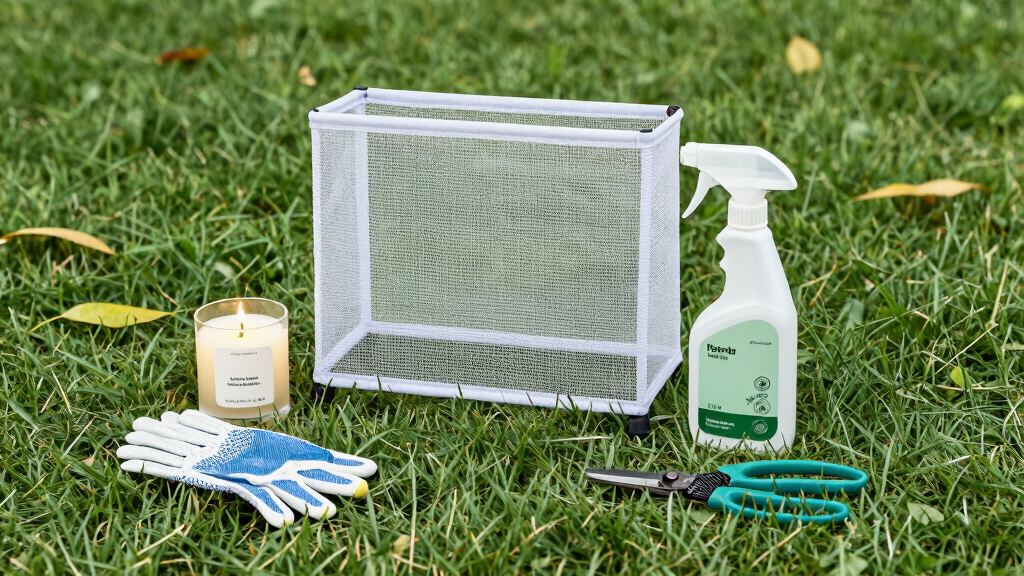
According to pest control and landscaping professionals, maintaining a well-kept yard is crucial for tick prevention. Regular mowing, trimming shrubs, and removing leaf litter reduce humid, dense habitats favored by ticks. Creating physical barriers such as wood chips or gravel strips along wooded edges can prevent tick migration into active play areas. Planting tick-repelling herbs like rosemary, lavender, and marigolds around pathways deters ticks from hitchhiking on animals and humans. Natural repellents containing cedar, eucalyptus, or neem oil can be sprayed around the yard or on clothing, but require frequent reapplication due to weather effects. Combining these strategies offers the best protection, as no single method is completely foolproof.
Why Yard Prevention Is Critical for Lyme Disease Risk Reduction
Implementing these expert-approved measures can significantly lower the likelihood of tick encounters, reducing the risk of Lyme disease and other tick-borne illnesses. As tick populations expand into new areas, proactive yard management becomes an essential part of public health and personal safety, especially for households with children and pets.

Wondercide – Flea & Tick Yard Spray with Natural Essential Oils – 32 oz
- Kills and repels pests: Fleas, ticks, mosquitoes protection
- Ready-to-use spray: Pre-mixed, attach to hose, no wait
- Large coverage area: Treats up to 5,000 sq ft
As an affiliate, we earn on qualifying purchases.
As an affiliate, we earn on qualifying purchases.
Growing Tick Populations and Expanding Range in the US
Tick populations are increasing across the US, particularly in the Northeast, Mid-Atlantic, and Upper Midwest, driven by climate change and expanding wildlife habitats. Experts warn that several species are spreading into new regions, making yard prevention more important than ever. Previous efforts focused on personal protection, but now yard management is recognized as a key component of comprehensive tick control. These recommendations build on longstanding practices, enhanced by recent research emphasizing habitat reduction and natural repellents. The advice aligns with guidance from pest control organizations and environmental agencies aiming to curb tick-borne disease transmission.
“Regular mowing, trimming shrubs, and removing leaf litter are crucial for reducing tick habitats.”
— Scott McLeod, Landscaping Expert
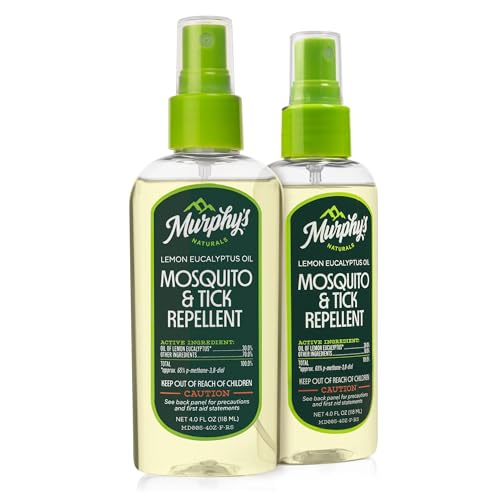
Murphy's Naturals Mosquito & Tick Bug Repellent Spray, 4 fl oz (Pack of 2)
- Contains 30% Lemon Eucalyptus Oil: Provides up to 6 hours mosquito protection
- Long-lasting Tick Protection: Up to 4 hours of tick defense
- DEET-Free and Picaridin-Free: Dependable outdoor coverage without harsh chemicals
As an affiliate, we earn on qualifying purchases.
As an affiliate, we earn on qualifying purchases.
Effectiveness of Combined Strategies and Weather Impact
While these methods are supported by experts, the precise level of protection varies based on yard size, local tick populations, and weather conditions. The long-term effectiveness of natural repellents and barriers under different climate scenarios remains under study, and no single approach guarantees complete prevention. Further research is needed to optimize integrated tick control strategies for diverse environments.

In This Together: A PBS American Portrait Story
As an affiliate, we earn on qualifying purchases.
As an affiliate, we earn on qualifying purchases.
Next Steps for Homeowners and Public Health Efforts
Homeowners are encouraged to implement multiple tick prevention strategies now and monitor their yards regularly. Public health agencies may update guidelines as new research emerges. Ongoing education campaigns aim to increase awareness of tick habitat reduction and natural deterrents, especially as tick populations continue to expand into new regions. Future studies will evaluate the long-term efficacy of combined approaches and develop more targeted, sustainable solutions.

Wondercide – Flea, Tick & Mosquito Spray for Pets and Home with Natural Essential Oils – Killer, Control, Prevention, Treatment – Lemongrass 16 oz
- Effective Pest Control: Kills and repels fleas, ticks, mosquitoes
- Breaks Pest Life Cycle: Eliminates eggs, larvae, adults
- Natural Ingredients: Uses essential oils for safe pest control
As an affiliate, we earn on qualifying purchases.
As an affiliate, we earn on qualifying purchases.
Key Questions
How often should I reapply natural tick repellents?
Experts recommend reapplying natural repellents every few days, especially after rain or heavy dew, to maintain effectiveness.
Are there any specific plants I should avoid planting?
Most common landscape plants are safe, but avoid dense, overgrown vegetation that can harbor ticks. Instead, focus on planting tick-repelling herbs like rosemary and lavender.
Can I use chemical pesticides instead of natural methods?
Chemical pesticides are available but should be used carefully and according to local regulations. Many experts recommend integrated approaches combining habitat management and natural repellents for safety and environmental reasons.
What should I do if I find a tick on my pet or family member?
Remove the tick promptly with tweezers, clean the area, and monitor for symptoms of tick-borne illnesses. Consult a healthcare professional if needed.
Source: Homes & Gardens