
To reduce small outdoor errors from becoming costly issues, stay proactive with regular inspections and maintenance. Clear out gutters, trim overgrown branches, and secure loose structures before problems escalate. Keep your environment tidy and address minor damage promptly to prevent larger damage or safety hazards. Choosing durable materials and ensuring proper drainage also helps minimize long-term costs. Paying close attention to small details now will save you time and money later; explore more tips to keep your outdoor space resilient.
Key Takeaways
- Conduct regular inspections to identify and address minor issues early before they escalate.
- Implement routine maintenance schedules for gutters, fencing, and landscaping.
- Use durable, weather-resistant materials to minimize repairs caused by wear and tear.
- Secure trash bins and remove wildlife attractants to prevent habitat-related problems.
- Maintain proper drainage to avoid water accumulation and related structural damage.
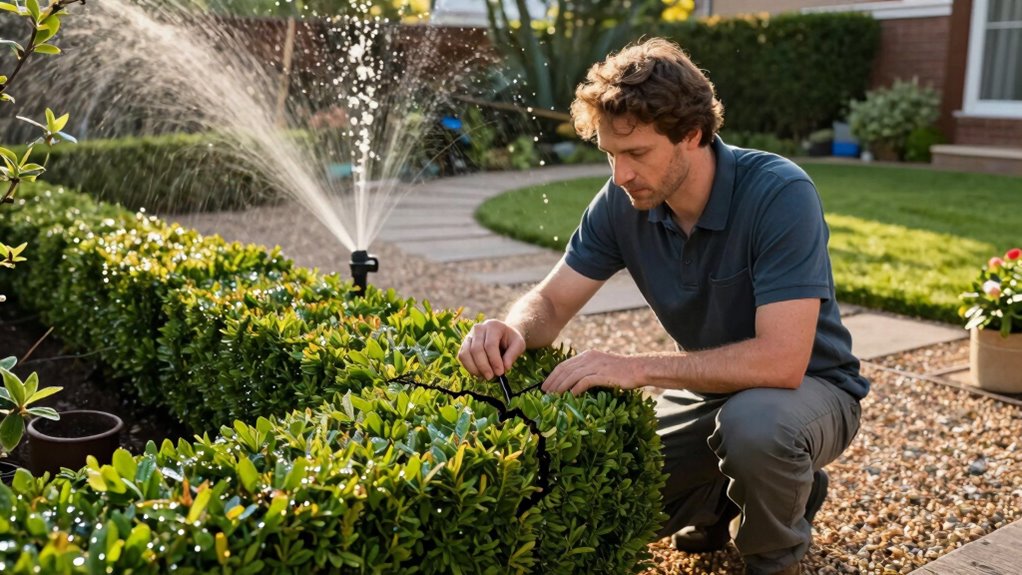
Even small errors in outdoor maintenance can lead to significant problems if left unchecked. One common issue is wildlife interference, which can cause damage to your property and create safety hazards. Birds, squirrels, and other animals often seek shelter or food in poorly maintained areas, and their activities can weaken structures or damage landscaping. For example, nests built in gutters or on rooflines can block drainage, leading to water damage or mold growth. To prevent this, you need to regularly inspect your outdoor spaces, clear out potential nesting sites, and secure trash bins to avoid attracting animals. Doing so minimizes wildlife interference and helps maintain a safe, tidy environment. Additionally, understanding the importance of biodiversity can guide you in creating habitats that support healthy ecosystems while reducing unwanted wildlife encounters. Recognizing ecosystem balance can help you design outdoor spaces that naturally deter pests and unwelcome animals. Maintaining this balance also involves understanding how various species interact within your local environment, which can help you develop more effective, eco-friendly management strategies.
Regularly inspecting outdoor areas prevents wildlife nests, protecting your property and ensuring safety.
Another critical factor to consider is material durability. When choosing materials for outdoor projects, you might opt for cheaper or less resilient options, but that often results in quicker deterioration. Weather elements like rain, sun, and wind can wear down inferior materials, causing cracks, rust, or rot over time. If you overlook this, the small mistake of selecting low-quality supplies can turn into costly repairs or replacements down the line. To avoid this, prioritize durable materials designed for outdoor use—such as pressure-treated wood, weather-resistant metals, or composite decking. Properly sealing or coating these materials also extends their lifespan, preventing damage caused by moisture or UV exposure.
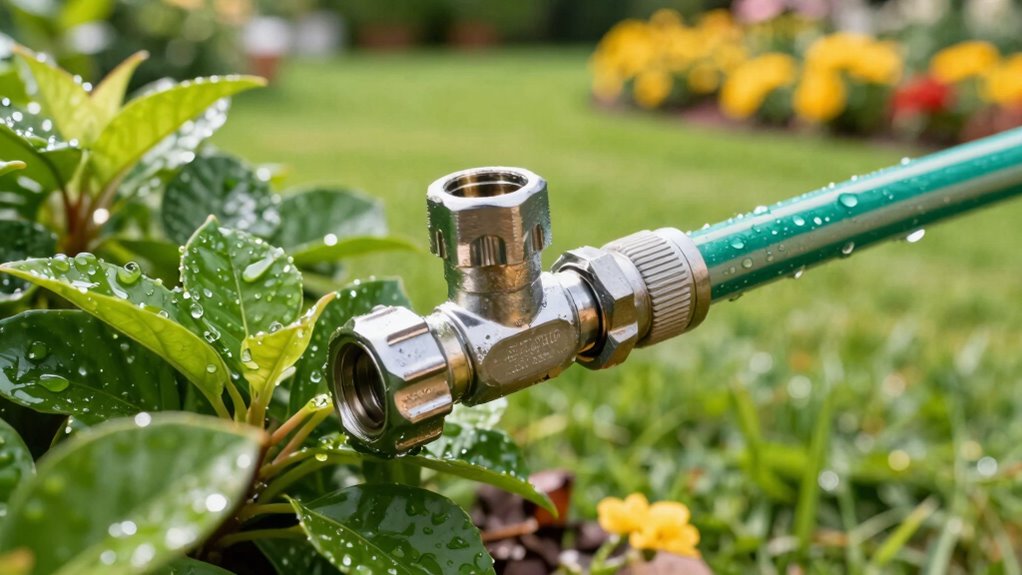
It’s equally important to maintain proper drainage around your property. Neglecting small issues like clogged gutters or uneven ground can cause water to pool, which not only damages landscaping but also encourages wildlife to settle in damp, sheltered spots. Over time, standing water can lead to erosion or foundation problems. Regularly cleaning gutters, grading the yard, and installing proper drainage solutions help you catch and correct these issues early. This proactive approach preserves the integrity of your outdoor spaces and prevents small errors from snowballing into larger, costly problems.
You should also pay close attention to routine maintenance tasks. Small overlooked details—like trimming overgrown branches, securing loose fencing, or inspecting outdoor wiring—can become major issues if ignored. Overgrown trees, for instance, can fall during storms and damage property or power lines, especially if branches are close to buildings. Regular inspections allow you to identify potential hazards before they escalate, saving you time and money. By staying vigilant and addressing minor issues promptly, you create a resilient outdoor environment that withstands the test of time and weather. Incorporating preventive maintenance into your routine can significantly reduce the likelihood of unexpected, costly repairs and prolong the lifespan of your outdoor investments.
Ultimately, reducing small errors requires consistent effort and attention to detail. From managing wildlife interference and selecting durable materials to maintaining proper drainage and routine inspections, each step contributes to preventing big outdoor problems. When you stay proactive, you’ll enjoy a safer, more attractive outdoor space with fewer costly surprises.

Orbit 58543 Telescoping Gutter Cleaning Wand, Silver
- Extendable Length: Adjusts from 40 to 70 inches
- Rotating Nozzle: 180-degree adjustable spray head
- Four-Position Head: Adjusts angle for optimal water direction
As an affiliate, we earn on qualifying purchases.
As an affiliate, we earn on qualifying purchases.
Frequently Asked Questions
What Are Common Overlooked Outdoor Maintenance Tasks?
You often overlook outdoor maintenance tasks like inspecting landscape lighting regularly to prevent malfunctions and ensuring pest prevention measures are in place. These small steps can considerably reduce bigger issues down the line. Check your outdoor lighting for damage and replace bulbs promptly. Keep your yard clean, eliminate standing water, and trim plants to prevent pests from nesting. Regular upkeep of these overlooked tasks keeps your outdoor space safe, functional, and enjoyable.
How Often Should Outdoor Inspections Be Performed?
You should perform outdoor inspections at least once a month to catch small issues early. Regular landscaping maintenance keeps your yard healthy and attractive, while timely pest control prevents infestations that can cause major damage. Notably, neglecting routine inspections can lead to costly repairs—up to 25% more—so staying vigilant helps avoid big outdoor problems. Stay proactive, and you’ll keep your outdoor space safe, beautiful, and problem-free.
What Tools Help Identify Small Outdoor Issues Early?
You can catch small outdoor issues early with tools like sensor alerts and drone inspections. Sensor alerts notify you immediately when something’s off, like leaks or structural shifts. Drone inspections provide a detailed view of hard-to-reach areas, revealing cracks or damages before they worsen. Combining these tools allows you to detect problems early, saving time and money, and ensuring your outdoor environment stays safe and well-maintained.
How Can Seasonal Changes Impact Outdoor Error Prevention?
Seasonal changes greatly impact outdoor error prevention by requiring you to prioritize seasonal preparedness and weather adaptation. As seasons shift, you must regularly inspect and maintain your outdoor spaces, adjusting for weather patterns like rain, snow, or heat. Staying proactive helps you catch small issues early before they escalate. By adapting your maintenance routine to seasonal needs, you guarantee your outdoor environment remains resilient and problem-free throughout the year.
Who Should I Contact for Complex Outdoor Repairs?
Think of your outdoor repairs like steering through a complex maze. For intricate issues like landscape lighting and outdoor drainage, you should contact a professional landscape contractor or specialized outdoor repair service. They have the skills and tools to handle the twists and turns, ensuring your outdoor space remains functional and beautiful. Don’t try to chart the maze alone—trust experts to guide you through complex repairs seamlessly.
weather-resistant outdoor fencing
As an affiliate, we earn on qualifying purchases.
As an affiliate, we earn on qualifying purchases.
Conclusion
Remember, small errors are like tiny seeds—if left unchecked, they can grow into towering trees of trouble. By paying close attention and catching mistakes early, you’re tending a garden of safety and success. Each careful step you take is like watering a delicate sprout, helping it flourish rather than falter. Stay vigilant, and your outdoor space will remain a resilient forest, thriving in harmony. Your mindful actions today protect your landscape’s future tomorrow.
As an affiliate, we earn on qualifying purchases.
As an affiliate, we earn on qualifying purchases.