
To build a flexible shelter strategy, focus on designing modular structures with easily attachable or removable components, like awnings and panels. Use durable weather-resistant materials such as reinforced nylon or polyester, and incorporate features like adjustable walls and retractable shades. Prepare for different conditions by including waterproof covers, insulation, and heating options. Regularly assess and adapt your shelter setup to changing weather patterns, helping you stay safe and comfortable in any situation. You’ll discover more tips as you continue exploring.

Get emergency and outdoor gear delivered free with Prime
- Fast, free delivery on millions of items
- Prime Video, Amazon Music and more included
- Member-only deals all year
Key Takeaways
- Design modular shelters with attachable and removable components for quick adaptation to weather changes.
- Use versatile, weather-resistant materials that can serve multiple functions across different climates.
- Incorporate adjustable features like roll-up sides, extendable walls, and retractable shades for flexibility.
- Regularly assess and update shelter configurations based on current weather patterns and forecasts.
- Prepare a proactive plan with stockpiled supplies and adaptable design elements for rapid response.
In today’s unpredictable environment, developing a flexible shelter strategy is essential for ensuring safety and adaptability. Weather patterns can shift unexpectedly, and having a plan that adjusts to these changes can make all the difference. Your first step is to focus on emergency preparedness, ensuring you’re ready for a variety of conditions. This means not just stockpiling supplies but also designing a shelter that can accommodate different weather scenarios. A flexible shelter isn’t static; it’s an adaptable space that responds to the environment around you.
Adapt your shelter for unpredictable weather with versatile materials and modular, responsive designs.
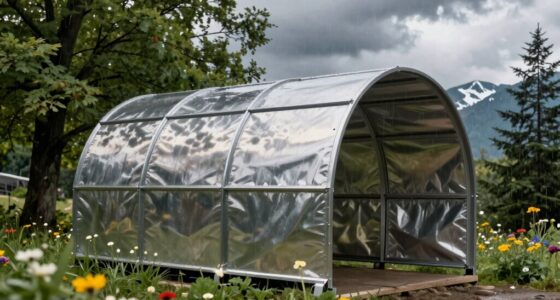
Material selection plays a crucial role in creating this versatility. You need materials that are durable enough to withstand harsh weather, yet adaptable enough to allow modifications. For instance, lightweight yet sturdy fabrics like reinforced nylon or polyester can provide protection against rain and wind while being easy to add or remove as needed. If you anticipate cold weather, insulating materials such as foam panels or insulated blankets can be integrated into the shelter’s design. Conversely, in warmer climates, breathable fabrics and shading elements help keep the interior cool. The key is to choose materials that serve multiple functions and can be combined to meet changing needs. Incorporating outdoor living features like retractable awnings or portable shade structures can further enhance your shelter’s flexibility. Additionally, understanding the different weather conditions you might encounter helps in selecting the most appropriate materials and features for your setup.
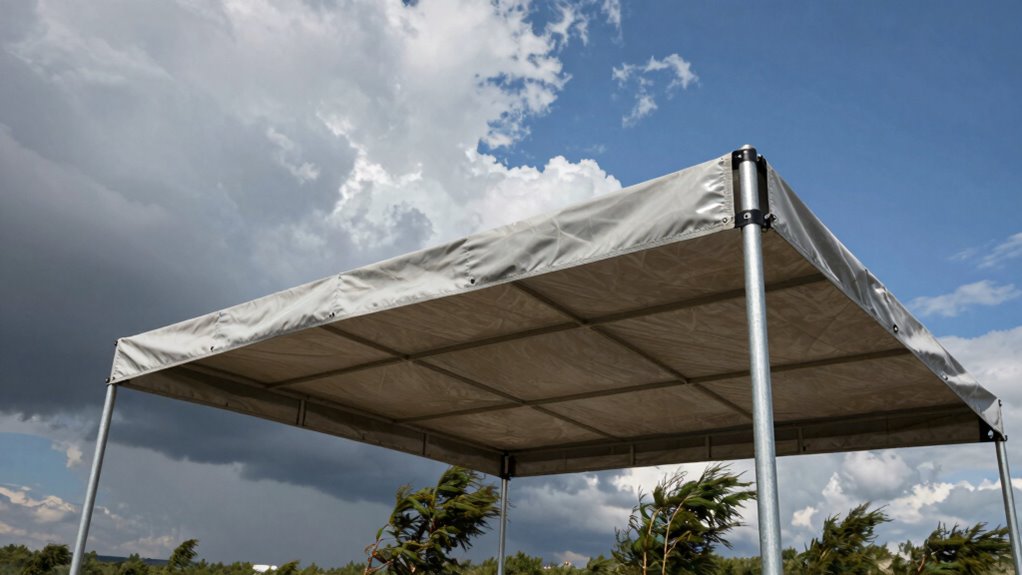
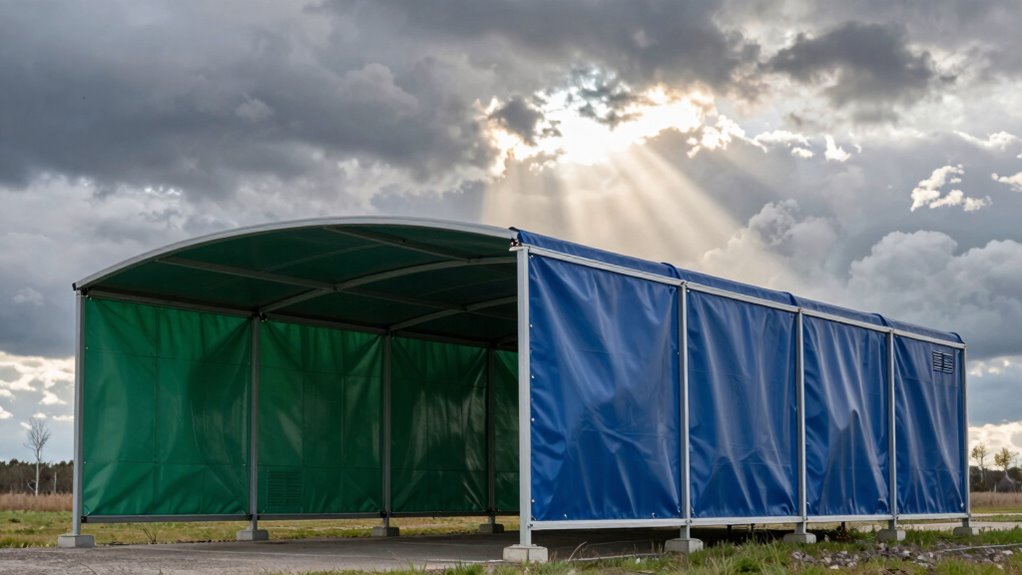
Design your shelter with modularity in mind. This means constructing it in sections or panels that can be added, removed, or reconfigured quickly. For example, attachable awnings or extendable walls can provide extra protection or ventilation depending on the weather. Incorporate adjustable features, such as roll-up sides or removable panels, so you can adapt the shelter’s size and openness. This flexibility allows you to respond swiftly to sudden weather shifts like storms, high winds, or intense heat. Also, consider the shelter’s anchoring system. Strong, versatile anchors that can be secured to different terrains ensure stability in varied conditions. As noted in recent home security system evaluations, choosing reliable and adaptable solutions is key to safety and resilience. Being aware of climate variability can help in planning for long-term changes and adjustments to your shelter setup.
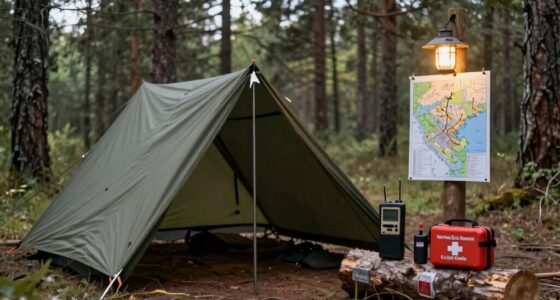
Another aspect of a flexible shelter strategy is planning for different scenarios. Think about what you might face—heavy rain, snow, intense sun—and prepare components accordingly. Keep a stock of emergency preparedness supplies, including waterproof covers, heating elements, or shade fabrics, that can be deployed as needed. Regularly review and update your setup, noting which materials and configurations worked best in different conditions. This proactive approach helps you refine your strategy over time, making your shelter more resilient and adaptable.
Ultimately, building a flexible shelter strategy isn’t just about choosing the right materials; it’s about creating a dynamic, responsive environment. By prioritizing emergency preparedness and selecting versatile materials, you can stay safe and comfortable no matter how the weather changes. Flexibility becomes your strongest tool, allowing you to face any storm with confidence.
modular weather-resistant shelter panels
As an affiliate, we earn on qualifying purchases.
As an affiliate, we earn on qualifying purchases.
Frequently Asked Questions
What Materials Are Best for Weather-Resistant Shelters?
For weather-resistant shelters, you should prioritize durable materials like waterproof canvas, treated wood, or metal sheeting. These materials offer excellent shelter material selection for resisting rain, wind, and snow. Combine them with weatherproofing techniques such as sealing seams, applying protective coatings, and adding insulation. This approach guarantees your shelter remains sturdy and dry in changing weather conditions, providing reliable protection no matter how the weather shifts.
How Can I Heat or Cool My Shelter Effectively?
To heat or cool your shelter effectively, you should focus on proper insulation techniques like thick walls, reflective barriers, and sealing gaps to maintain temperature. Incorporate ventilation systems such as vents, exhaust fans, or adjustable windows to regulate airflow and prevent humidity buildup. These strategies help you adapt to changing weather, keeping your shelter comfortable year-round. Regularly assess and adjust your insulation and ventilation for ideal climate control.
What Safety Precautions Should I Take During Extreme Weather?
During extreme weather, you should prioritize safety by staying informed through weather forecasting updates and practicing emergency preparedness. For instance, if a storm approaches, secure loose items and evacuate to a sturdy shelter. Always have an emergency kit ready. Take precautions like avoiding floodwaters and staying indoors during high winds. These steps help you respond effectively, reducing risks in unpredictable weather conditions.
How Do I Secure a Shelter in High Winds?
To secure your shelter in high winds, use windproof anchors like stakes or weights that dig deep into the ground. Reinforce storm-resistant designs by adding bracing and sturdy materials to withstand gusts. Make certain all openings are tightly sealed, and consider adding windbreaks around the shelter. Regularly check and tighten anchors, and avoid weak points that could fail under pressure. This approach keeps your shelter stable and safe during fierce winds.
Can Portable Shelters Adapt to Various Weather Conditions?
Yes, portable shelters can adapt to various weather conditions with the right design. Focus on portable flexibility by choosing shelters made from durable, weather-resistant materials. Look for features like adjustable vents, reinforced seams, and sturdy anchoring systems to improve weather adaptability. By selecting versatile, well-designed options, you’ll guarantee your shelter can withstand changing conditions, providing reliable protection no matter the weather.
As an affiliate, we earn on qualifying purchases.
Conclusion
By adopting a flexible shelter strategy, you’re better prepared to face unpredictable weather changes. Keep your plans adaptable, use versatile materials, and always have backup options ready. Wouldn’t you rather be safe and comfortable no matter what Mother Nature throws your way? Staying flexible ensures you’re not caught off guard, allowing you to enjoy your outdoor adventures or stay protected during sudden storms. Remember, the key to resilience is readiness—so stay adaptable and keep your shelter strategy dynamic.
insulated outdoor shelter blankets
As an affiliate, we earn on qualifying purchases.
As an affiliate, we earn on qualifying purchases.
adjustable outdoor shade structures
As an affiliate, we earn on qualifying purchases.
As an affiliate, we earn on qualifying purchases.
Halloween Picks
halloween
As an affiliate, we earn on qualifying purchases.