
Better shelter planning helps you stay comfortable and safe in extreme weather by selecting proper materials, designing with climate in mind, and placing your shelter wisely. Proper insulation, waterproofing, and ventilation keep temperature stable and prevent water damage. Incorporating green spaces and choosing resilient sites reduces heat, cold, and rain impacts. If you continue exploring, you’ll discover how these strategies can make your shelter more effective and sustainable year-round.
Key Takeaways
- Proper shelter design with insulation and weatherproofing maintains indoor comfort during extreme temperatures and rain.
- Incorporating green spaces and native vegetation helps regulate temperature and shields against storm winds.
- Strategic site selection reduces flood risks and enhances protection from heat and cold extremes.
- Climate-responsive features like passive cooling and seasonal adaptation improve resilience and comfort year-round.
- Sustainable materials and landscape planning optimize energy efficiency and mitigate impacts of heat, cold, and rainfall.
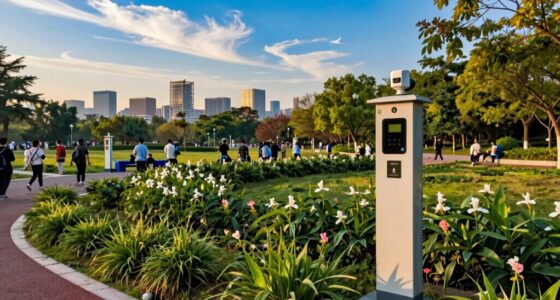
Planning effective shelter is essential to protect yourself from extreme weather conditions like heat, cold, and rain. When you prepare your shelter properly, you create a safe space that shields you from the elements and enhances your overall comfort. One of the most effective ways to achieve this is by understanding the role of urban green spaces. These areas, filled with trees and vegetation, naturally cool the environment during hot weather, providing relief from the scorching sun. Incorporating urban green spaces into your shelter planning helps reduce heat absorption by buildings and pavement, lowering temperatures around your home or shelter. You can also strategically position your shelter near parks or green corridors to benefit from their cooling effects, especially in densely populated areas where concrete and asphalt trap heat.
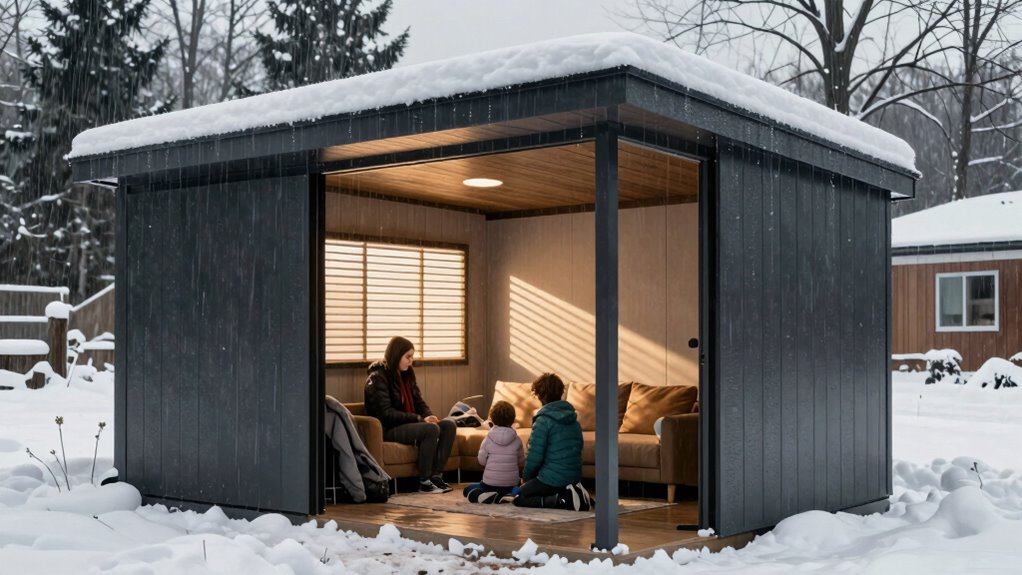
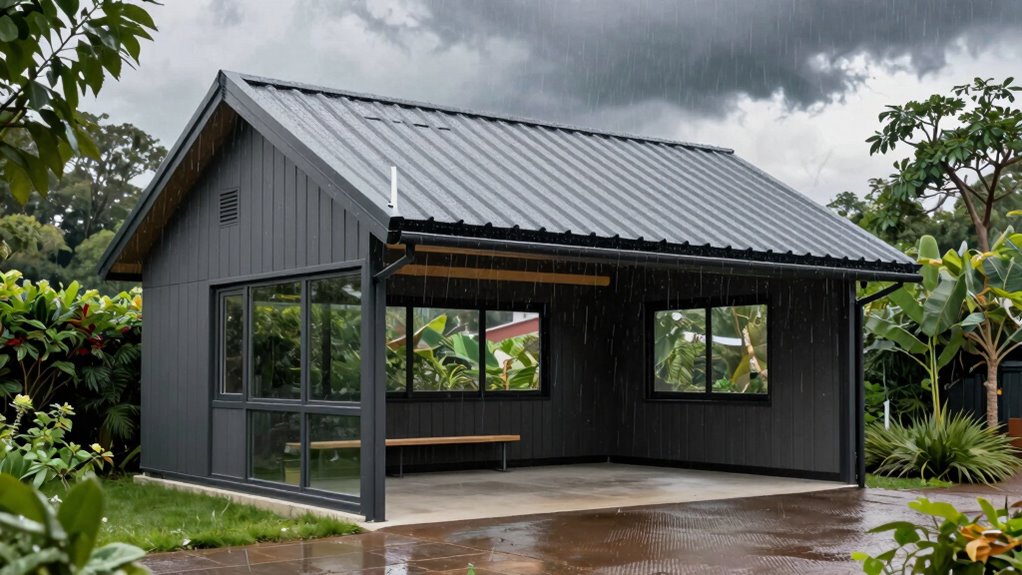
Emergency preparedness goes hand-in-hand with good shelter planning. When you think ahead, you ensure that your shelter is resilient enough to withstand unexpected weather shifts and emergencies. This means investing in insulation, waterproofing, and ventilation systems that work together to maintain a stable indoor environment regardless of outside conditions. Proper shelter planning also involves having access to reliable sources of power and water, so you can stay comfortable during extended periods of extreme weather. Building or choosing a shelter with solid materials, such as insulated walls and weather-resistant roofing, makes a significant difference in cold or rainy seasons. These features prevent heat loss during winter and keep rainwater from seeping inside, reducing the risk of mold and dampness. Additionally, considering climate-responsive design in your shelter planning can further optimize comfort and durability across different weather conditions. Incorporating sustainable building materials can also enhance energy efficiency and reduce environmental impact, supporting long-term resilience. Understanding the influence of local climate can help tailor your shelter features to better suit seasonal variations and weather patterns. Recognizing the importance of passive cooling techniques can further improve shelter comfort during hot periods by minimizing reliance on energy-intensive systems.
Your approach to shelter planning should also consider the landscape around your home. Proper site selection can enhance your protection against weather extremes. For example, locating your shelter away from low-lying areas prone to flooding helps prevent water damage during heavy rain. Incorporating elements like rain gardens or permeable surfaces can further manage runoff and reduce water accumulation near your shelter. Planting native trees and shrubs around your home not only boosts urban green spaces but also provides windbreaks during storms and colder months, improving your shelter’s effectiveness. Additionally, understanding urban heat island effect can help you make smarter decisions about placement and materials to keep your shelter cooler in summer.
As an affiliate, we earn on qualifying purchases.
Frequently Asked Questions
How Does Shelter Orientation Affect Temperature Regulation?
Shelter orientation directly affects temperature regulation by optimizing shadow casting and solar gain. When you position your shelter to face the sun during winter, you maximize solar gain, keeping it warmer. In summer, orienting it to reduce direct sunlight minimizes heat buildup. Properly planned shadow casting also helps cool the shelter during hot days. By carefully considering orientation, you create a more comfortable environment, reducing energy needs and enhancing overall comfort.
What Materials Are Best for Insulation in Different Climates?
They say, “Know your environment,” and that’s key to choosing insulation materials. For hot climates, use reflective or lightweight materials like foam panels or air-filled cushions. Cold climates benefit from dense insulation like fiberglass or mineral wool. Climate-specific insulation guarantees comfort year-round, reducing energy costs and protecting against extreme weather. Your shelter’s success depends on selecting the right materials tailored to your climate’s unique demands.
How Can Shelters Be Designed for Easy Climate Adaptation?
You can design shelters for easy climate adaptation by using sustainable building techniques that allow flexibility in insulation, ventilation, and shading. Incorporate adjustable features like movable shades or windows, and choose materials suited for varying weather conditions. By prioritizing disaster resilience and eco-friendly materials, your shelter becomes more adaptable to heat, cold, or rain, ensuring comfort and safety regardless of climate changes.
What Role Does Ventilation Play in Maintaining Comfort?
Ventilation is your first line of defense for comfort. It guarantees airflow efficiency, preventing stuffiness and excessive heat buildup. By implementing smart ventilation strategies, you can regulate indoor temperatures and humidity naturally, making spaces cooler during heatwaves and warmer in cold weather. Good airflow keeps fresh air circulating, reducing odors and moisture, so your shelter stays comfortable no matter the weather. When you prioritize ventilation, you’re really covering all your bases.
How Do Local Environmental Factors Influence Shelter Planning?
Local environmental factors like soil stability and local vegetation directly influence your shelter planning. You need to choose stable soil to prevent collapse and guarantee safety. Incorporating local vegetation can provide natural insulation and windbreaks, enhancing comfort. Understanding these factors helps you design a shelter that withstands weather conditions, reduces maintenance, and blends seamlessly into the environment, ultimately creating a more durable and comfortable living space tailored to your surroundings.
As an affiliate, we earn on qualifying purchases.
Conclusion
By mastering mindful shelter planning, you make a mighty difference in your comfort and safety. Thoughtful tactics tackle the torment of temperatures and torrents, transforming discomfort into coziness. When you strategically serve your space, you shield yourself from scorching sun, chilling cold, and relentless rain. So, step up, strategize smartly, and stay strong—because savvy shelter solutions safeguard your sanctuary, securing your serenity no matter the season’s surprise.
As an affiliate, we earn on qualifying purchases.
sustainable building materials for shelter
As an affiliate, we earn on qualifying purchases.
As an affiliate, we earn on qualifying purchases.