
TL;DR

Get emergency and outdoor gear delivered free — and shop member deals
- Fast, free delivery on millions of items
- Access to Prime Big Deal Days deals on October 6–7
- Prime Video, Amazon Music and more included
Hantavirus remains a low risk for most U.S. hikers and backpackers, with few cases annually. Recent outbreaks on a cruise ship highlight its potential but do not suggest widespread danger. Proper precautions can mitigate risks effectively.
An outbreak of hantavirus aboard a cruise ship in the south Atlantic has drawn attention to the virus’s transmission risks and safety measures for outdoor enthusiasts. While the risk for hikers and backpackers remains very low, experts advise caution when dealing with rodent-infested shelters. This development underscores the importance of awareness and proper precautions, especially for those camping in backcountry areas.
On May 4, the World Health Organization (WHO) reported seven confirmed cases of hantavirus infection aboard a cruise ship, with three deaths. The Centers for Disease Control (CDC) plans to quarantine American passengers in Omaha, Nebraska. The outbreak involves the Andean strain, which has been linked to human-to-human transmission in rare cases, unlike the more common Sin Nombre strain. Experts emphasize that such outbreaks are isolated and do not indicate a new pandemic threat.
Hantavirus is primarily spread through inhalation of particles contaminated with rodent feces, urine, or saliva, with deer mice being common carriers in the U.S. The virus initially causes flu-like symptoms, which can progress to severe respiratory illness. The risk of contracting hantavirus for hikers and backpackers is extremely low, especially in the absence of rodent infestations. The CDC estimates about 30 cases annually in the U.S., mostly in the western states, particularly the Four Corners area.
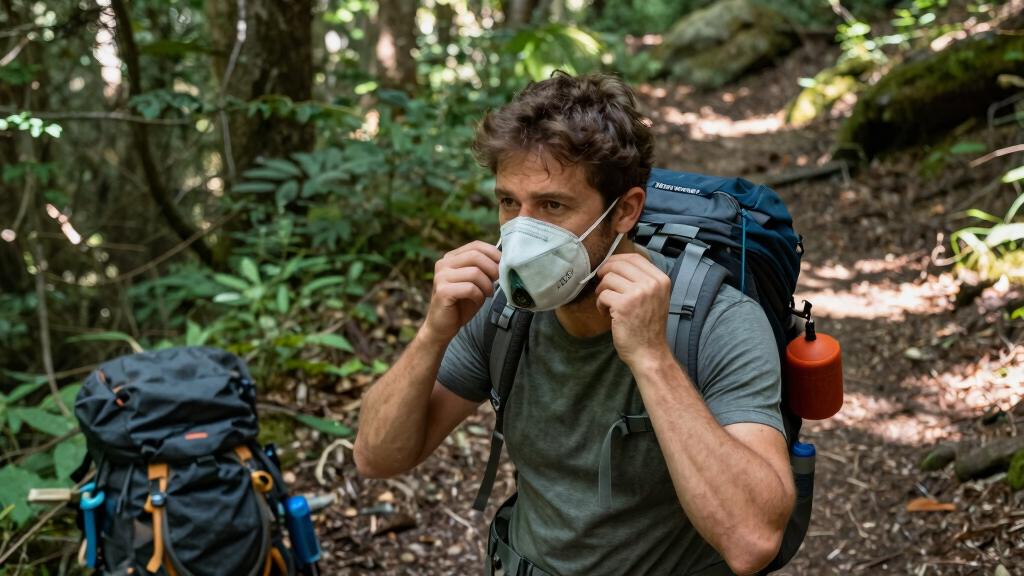
In 2012, a hantavirus outbreak at Yosemite’s Curry Village resulted in 10 illnesses and three deaths. Experts like Dr. Scott McClelland of UW Medicine note that the primary risk for backpackers arises from contact with infested shelters or cleaning rodent droppings without proper precautions. He recommends wearing an N95 mask when cleaning or opening potentially infested spaces and avoiding sleeping in heavily rodent-infested shelters.
Why It Matters
This development highlights that, while rare, hantavirus can cause serious illness and has the potential to spread in specific environments. For outdoor enthusiasts, understanding the low but real risks associated with rodent-infested shelters is vital for safety. The recent cruise ship outbreak also raises awareness of how viruses can spread in confined spaces, although the likelihood of widespread transmission from such incidents remains very low.
As an affiliate, we earn on qualifying purchases.
Background
Hantavirus has been known in the U.S. since the 1993 outbreak in the Four Corners region. The Sin Nombre strain is most common and not transmissible between humans, whereas the Andean strain, involved in the recent cruise ship cases, can potentially spread person-to-person, though only with prolonged close contact. Past outbreaks, such as the 2012 Yosemite incident, serve as reference points for understanding risks in outdoor settings. Public health guidance emphasizes avoiding contact with rodent droppings and infested spaces.
“The risk of contracting hantavirus for hikers and backpackers is extremely low, especially if they avoid rodent-infested shelters and use proper protective gear when cleaning.”
— Dr. Scott McClelland, UW Medicine
“The recent cruise ship outbreak underscores the importance of monitoring and managing infectious diseases, but it does not indicate an imminent pandemic threat.”
— WHO spokesperson (unnamed)
As an affiliate, we earn on qualifying purchases.
What Remains Unclear
It remains unclear whether the recent cruise ship outbreak will lead to further human-to-human transmission or if similar risks exist in typical hiking environments. The extent of the outbreak’s spread and whether additional cases will be confirmed are still under investigation. Experts agree that the overall risk to the general hiking community remains very low, but vigilance is advised.
As an affiliate, we earn on qualifying purchases.
What’s Next
Health authorities will continue monitoring the cruise ship outbreak and assess potential risks. For hikers, outdoor safety guidelines will likely be reinforced, emphasizing proper shelter inspection and protective measures. Researchers may investigate the outbreak further to understand transmission dynamics of the Andean strain.
backpacking rodent infestation prevention
As an affiliate, we earn on qualifying purchases.
As an affiliate, we earn on qualifying purchases.
Key Questions
How likely am I to get hantavirus while hiking?
The risk is very low, with approximately 30 cases annually in the U.S., mostly in western states. It primarily occurs in areas with rodent infestations, and precautions can significantly reduce your risk.
Can hantavirus spread from person to person?
Only the Andean strain has documented cases of human-to-human transmission, and it requires prolonged close contact. The more common Sin Nombre strain does not spread between people.
What precautions should I take when camping in backcountry shelters?
Inspect shelters for rodent signs, avoid sleeping in heavily infested areas, and wear an N95 mask when cleaning or opening enclosed spaces with rodent droppings or nests.
Is it safe to clean out a shelter if I see rodent droppings?
Yes, but only if you wear proper protective gear such as an N95 mask, gloves, and ensure good ventilation. Avoid disturbing rodent nests or droppings without protective equipment.
Are there other health risks from rodents in the wilderness?
Yes, other diseases like tick-borne relapsing fever and rat-bite fever can be transmitted from rodents or their ectoparasites, but these are also rare and preventable with proper precautions.
Fall Picks
fall essentials
As an affiliate, we earn on qualifying purchases.