
TL;DR

Get emergency and outdoor gear delivered free with Prime
- Fast, free delivery on millions of items
- Prime Video, Amazon Music and more included
- Member-only deals all year
Survival backpacks for students are lightweight, customizable kits with essentials like water, food, and first aid. Recent innovations include tech integration and ergonomic designs, making safety accessible and manageable for young users.
Imagine being caught in a sudden storm, or a school emergency that leaves you stranded. It’s unsettling, but having a survival backpack could be your lifeline. These kits aren’t just for survivalists—they’re becoming a smart safety tool for students everywhere.
In this guide, you’ll learn what makes a good student survival backpack, the latest innovations, and practical tips for assembling and maintaining one. Because being prepared isn’t just smart—it’s essential for peace of mind.
Choose a backpack that’s lightweight (10-20 liters) with ergonomic straps for easy carrying.
Pack essentials: water, non-perishable food, first aid, flashlight, and communication tools.
Incorporate tech like solar chargers and GPS locators for added safety.
Update your kit at least once a year to keep supplies fresh and relevant.
Involve schools in safety drills to reinforce the importance of preparedness.
What Exactly Goes Into a Student Survival Backpack?
A survival backpack is a compact kit packed with essentials to keep a student safe during emergencies. Think of it as a portable safety nest, ready to deploy when danger strikes.
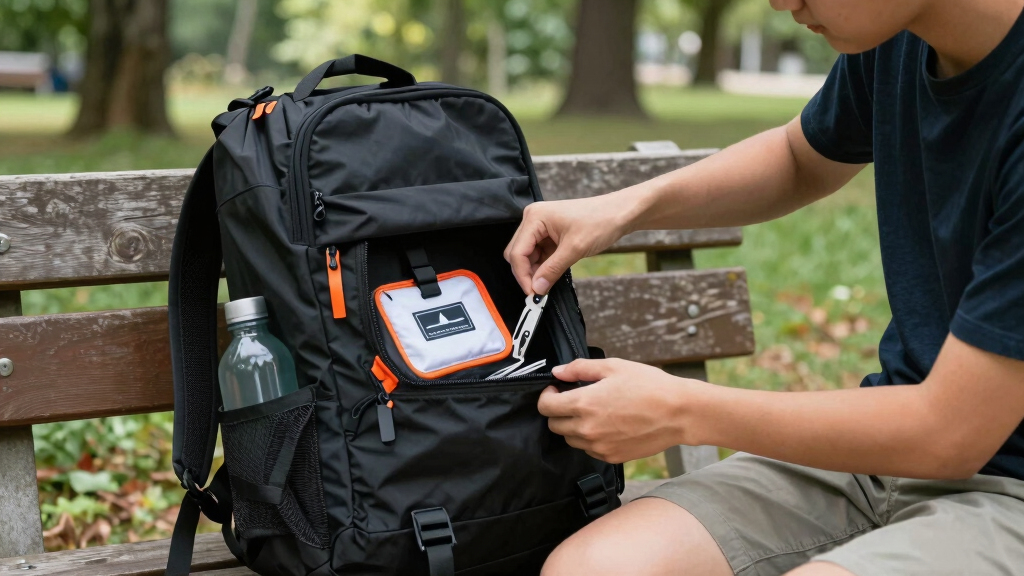
Key contents include water and purification tools, non-perishable snacks, a first aid kit, flashlight, and communication devices. For example, a backpack might contain a 16-ounce water bottle, energy bars, a basic bandage set, and a small whistle to signal help.
Here’s a quick list of must-have items:
- Water & water purifier
- Energy bars or dried fruit
- First aid supplies
- Flashlight & extra batteries
- Multi-tool or Swiss Army knife
- Warm clothing or blanket
- Whistle & portable charger
- Important documents or emergency contacts
Understanding why each item matters helps in making informed choices. For instance, water is critical because dehydration can impair judgment and physical ability during emergencies. A first aid kit isn’t just for treating minor injuries; it can stabilize serious wounds until help arrives. Communication devices like whistles or chargers ensure that students can signal for help or stay connected, which can be life-saving in chaotic situations. Each component is selected not just for its individual utility but for how it contributes to overall safety and resilience.
student survival backpack with water purifier
As an affiliate, we earn on qualifying purchases.
As an affiliate, we earn on qualifying purchases.
How Do You Pick a Backpack That Won’t Weigh Down a Student?
Choosing the right survival backpack involves more than just picking a small or large bag. It’s about understanding the tradeoffs between capacity, weight, and usability. A backpack that’s too heavy can cause fatigue, reduce mobility, and discourage students from carrying it consistently, which compromises safety. Conversely, a bag that’s too small might omit critical supplies, leaving the student unprepared.
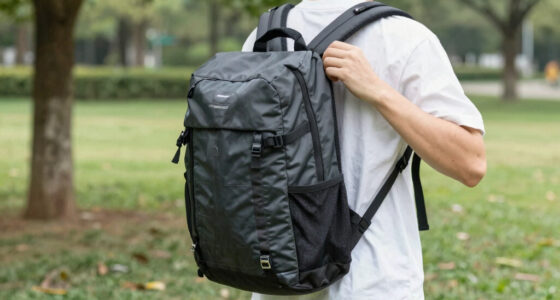
Most backpacks for school-aged kids range from 10 to 20 liters. This range strikes a balance: large enough to contain vital supplies but small enough for a child to carry comfortably. Features like padded straps, adjustable fittings, and water-resistant fabrics are crucial because they directly impact comfort and durability. Ergonomically designed straps distribute weight evenly, reducing strain on young shoulders and backs, which is especially important during long walks or outdoor adventures.
For example, a 15-liter backpack with padded straps and reflective strips not only keeps weight manageable but also enhances safety by increasing visibility. The choice of materials—lightweight yet durable—ensures the pack withstands rough handling and weather conditions without adding unnecessary weight. Ultimately, selecting a backpack that aligns with the child’s physical strength and typical usage scenarios maximizes safety and encourages consistent use in emergencies.
compact emergency survival kit for students
As an affiliate, we earn on qualifying purchases.
As an affiliate, we earn on qualifying purchases.
Compare the Best Survival Backpack Features for Students
| Feature | Standard Backpack | Student Survival Backpack |
|---|---|---|
| Capacity | 20-30 liters | 10-20 liters |
| Weight | 1.5-2 kg (3.3-4.4 lbs) | 1-1.5 kg (2.2-3.3 lbs) |
| Materials | Basic nylon or polyester | Water-resistant, eco-friendly fabrics |
| Compartments | Few, large pockets | Multiple, organized compartments |
| Additional Tech | None | Solar chargers, GPS locators |
When comparing these features, it’s essential to consider how each impacts safety, convenience, and long-term usability. For example, a larger capacity might seem advantageous but can lead to unnecessary weight if not packed carefully. Tech features like solar chargers and GPS locators aren’t just gadgets—they can be crucial in extended emergencies, providing power for devices and aiding in location tracking. Balancing these features involves understanding the specific risks and needs of the user: for outdoor adventurers, tech integrations enhance safety; for everyday school use, simplicity and comfort might take priority.
lightweight survival backpack with tech features
As an affiliate, we earn on qualifying purchases.
As an affiliate, we earn on qualifying purchases.
Frequently Asked Questions
What should I include in a survival backpack for students?
Include water, non-perishable snacks, a basic first aid kit, flashlight, whistle, and a portable charger. Tailor contents to regional risks like extra rain gear or allergy-friendly foods.
How often should a survival backpack be updated?
At least once a year. Check expiration dates, replace used items, and update supplies after any emergency or drill to keep everything current and ready.
Are survival backpacks necessary for all students?
Not for every student, but highly recommended in disaster-prone regions or for outdoor program participants. It’s a proactive safety step that can make all the difference.
What’s the best size for a student’s survival backpack?
A 10-20 liter pack balances capacity with portability. Smaller for younger kids, larger for teens involved in outdoor activities or with special needs.
How can schools encourage students to carry their survival kits?
Through safety drills, educational talks, and integrating kit checks into routine activities. Making preparedness a habit boosts confidence and quick response in emergencies.
kids emergency preparedness backpack
As an affiliate, we earn on qualifying purchases.
As an affiliate, we earn on qualifying purchases.
Conclusion
Survival backpacks for students aren’t just a safety accessory — they’re a lifeline in the chaos of emergencies. With smart design, tech upgrades, and regular updates, you turn a simple bag into a trusted ally.
Remember: preparedness starts with a plan, a good pack, and the confidence to act. Imagine your child, confidently ready to face the unexpected — that’s peace of mind worth every effort.
Fall Picks
fall essentials
As an affiliate, we earn on qualifying purchases.