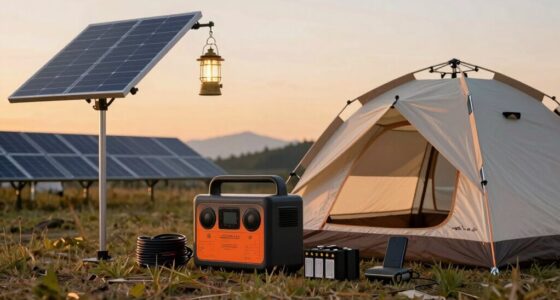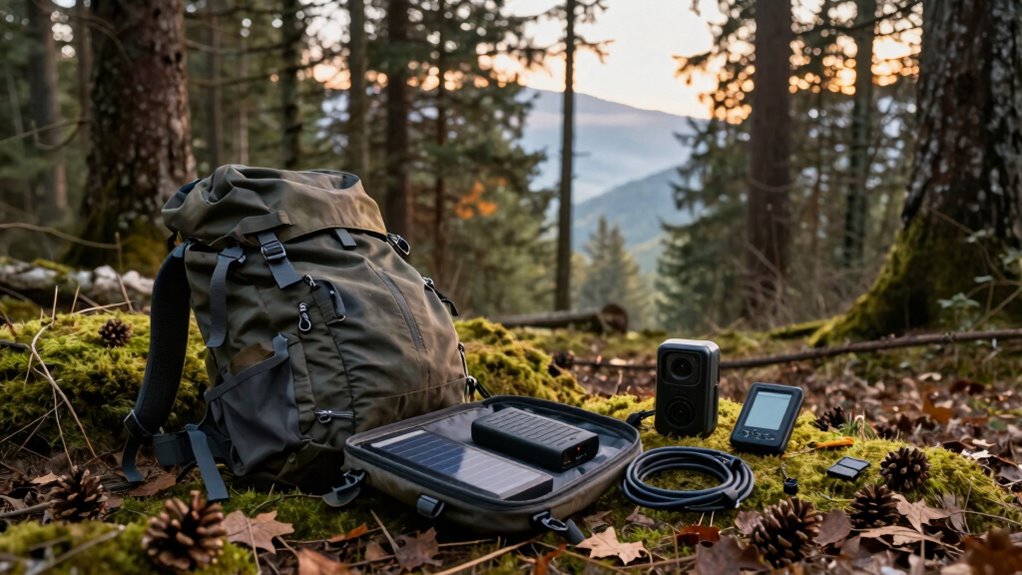

Before taking high-power devices into the wild, make sure you understand proper battery safety, including using verified chargers, inspecting batteries, and storing them safely away from heat and metal. Learn about risks like overheating, punctures, or short circuits, and how environmental factors like rain or fog can affect your gear. Understand signal interference issues and how to minimize them. If you keep exploring, you’ll discover everything you need to stay safe and make your adventures successful.
Key Takeaways
- Understand battery safety protocols, including proper handling, storage, and disposal to prevent fires or accidents.
- Learn the risks of mishandling, such as overcharging, puncturing, or exposing batteries to extreme temperatures.
- Be aware of signal interference issues and how to minimize disruption with shielding, grounding, and legal power limits.
- Test devices in controlled environments to assess environmental impacts on signal strength and battery performance.
- Carry safety equipment, backup devices, and plan for environmental hazards to ensure safe and reliable operation in the wild.

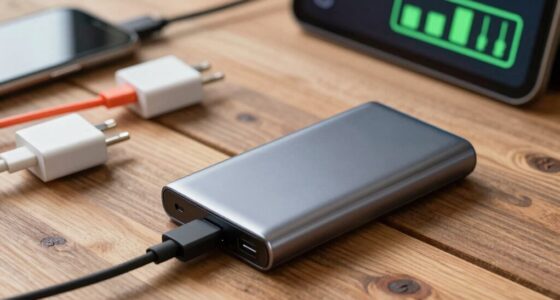
Bringing high-power devices into the wild can offer incredible capabilities, but it also comes with significant risks if you’re not prepared. Before heading out, you need to understand how to manage battery safety. High-power devices often rely on large batteries, which can be dangerous if mishandled. Overcharging, puncturing, or exposing batteries to extreme temperatures can cause overheating, fires, or even explosions. Always use the manufacturer’s recommended chargers and avoid cheap, unverified alternatives. Carrying a fire extinguisher or a fire-resistant bag is a smart precaution, especially if you’re using lithium-ion batteries, which are common in high-power gear. Regularly inspect your batteries for swelling, leaks, or corrosion, and replace any that show signs of damage. Proper storage is equally important, so keep batteries in cool, dry places away from direct sunlight and metal objects that could cause short circuits. Understanding battery chemistry can help you better assess the risks associated with different types of high-power batteries. Additionally, familiarizing yourself with proper battery handling and disposal procedures can further reduce potential hazards. Being aware of battery safety guidelines is essential to prevent accidents and ensure your equipment remains reliable during your excursions.
Signal interference is another critical aspect to contemplate. High-power devices, such as radios, transmitters, or drone controllers, emit strong signals that can disrupt other electronic equipment or be affected by external interference. This interference can lead to communication failures, loss of control, or degraded device performance, which is dangerous in remote environments. To minimize this, familiarize yourself with local regulations on signal transmission, and ensure your devices are operating within legal power limits. Use quality shielding and antennas designed to reduce interference, and keep your equipment properly grounded. It’s also wise to carry spare batteries and backup communication devices to avoid being left without contact if interference issues occur.
Understanding the environment helps you anticipate potential risks. Dense foliage, mountains, and even weather conditions like rain or fog can affect signal strength and battery performance. Always test your devices in controlled settings before your adventure, so you recognize their limits and how they respond to different conditions. Be cautious about overloading your gear—high-power devices draw significant energy, which means your batteries can drain quickly if not managed carefully. Keep track of your device’s power levels and plan for recharging or swapping batteries during your trip.
In essence, bringing high-power devices into the wild demands respect for their power and potential hazards. Prioritize battery safety by handling, storing, and maintaining batteries properly. Minimize signal interference through proper equipment use and environmental awareness. With preparation and knowledge, you can enjoy the incredible capabilities of your high-power gear while staying safe and avoiding costly mishaps.

Newtex Fire Containment Bag – Lithium Ion Battery Thermal Runaway Safety Kit for Aircraft, Fire Resistant, Flame Retardant, Meets FAA Standards (18'' W x 16" H)
- Fire Containment for Lithium-Ion Batteries: Contains battery fires from electronic devices
- Includes Protective Gloves and Fire Blanket: X20 Z-Flex Gloves and Z-Sil Fire Blanket included
- FAA-Approved Fire Resistant Materials: Tested according to FAA standards
As an affiliate, we earn on qualifying purchases.
As an affiliate, we earn on qualifying purchases.
Frequently Asked Questions
How Do High-Power Devices Affect Local Wildlife?
High-power devices can profoundly affect local wildlife by causing wildlife disturbance and habitat disruption. You might notice animals becoming shy or aggressive, avoiding areas where devices are active. The noise and vibrations can interfere with animals’ natural behaviors, like breeding or foraging. Over time, this disturbance can lead to habitat loss, forcing wildlife to relocate, which impacts the entire ecosystem. Be mindful of your device’s impact on the environment.
Are There Legal Restrictions on Using High-Power Devices Outdoors?
Sure, you can wield your high-power device outdoors, but don’t forget to dance to the tune of regulatory compliance and power regulation. Laws vary wildly—some places treat these gadgets like radioactive waste, others like garden gnomes. Ignoring restrictions risks fines or confiscation. So, do your homework, check local laws, and make certain your device doesn’t become a wild, illegal beast. After all, nature is not your personal playground.
What Safety Gear Is Essential for Handling High-Power Equipment?
You should always wear protective clothing, such as insulated gloves, safety goggles, and flame-resistant gear, when handling high-power equipment. It’s also crucial to have an emergency kit nearby, including first aid supplies and fire extinguishers, in case of accidents. These safety measures help prevent injuries and guarantee you’re prepared for unexpected situations, keeping you safe while working with powerful devices outdoors.
How to Troubleshoot Common Issues With High-Power Devices in the Field?
You troubleshoot high-power device issues by first checking device calibration to guarantee accurate operation. Next, assess power management systems to confirm they’re functioning properly, preventing overloads or power drops. Use your multimeter to test connections and verify voltage levels. If problems persist, reset the device and review manufacturer guidelines. Regular maintenance and understanding these key aspects help you quickly identify and resolve common issues in the field, maintaining peak performance.
What Are the Long-Term Environmental Impacts of These Devices?
Like seeds planted in wild soil, high-power devices can leave lasting marks on the environment. Over time, their batteries may degrade, impacting longevity and increasing waste. Electromagnetic interference can disrupt local ecosystems and wildlife communication. You need to weigh these long-term impacts, as these devices could contribute to environmental stress, pollution, and resource depletion. Being mindful helps minimize harm, ensuring technology serves without damaging the natural world.

Grounding and Shielding: Circuits and Interference (IEEE Press)
As an affiliate, we earn on qualifying purchases.
As an affiliate, we earn on qualifying purchases.
Conclusion
Remember, venturing into the wild with high-power devices is like chasing lightning—exciting but risky. You’ve learned the essentials to stay safe, respect nature’s power, and avoid becoming a modern Icarus. With knowledge as your shield and caution as your compass, you’ll navigate this journey wisely. Keep your eyes open and your mind sharp, because in this wild dance of technology and nature, only the prepared truly thrive. Stay smart, stay safe, and enjoy the adventure ahead.

BurnBuster Lithium-Ion Fire Extinguishing Gel 3-Pack – Battery Fire Suppression Gel for Electronics, Stops Thermal Runaway, Non-Toxic, Eco-Friendly, 14oz Canister, Made in USA
- Fast Lithium-Ion Fire Suppression: Quickly stops battery fires in electronics
- Prevents Re-Ignition: Rapid cooling and oxygen cutoff
- Class A & C Fire Safety: Effective on wood, paper, electrical fires
As an affiliate, we earn on qualifying purchases.
As an affiliate, we earn on qualifying purchases.

REOLINK High-Capacity Solar-Powered Battery Pack, Outdoor Use, RLA-BP1
- High Capacity: 12800mAh/92Wh for extended use
- Fast Charging Output: Up to 15W for quick power
- Solar Self-Recharging: Keeps charged with solar panel
As an affiliate, we earn on qualifying purchases.
As an affiliate, we earn on qualifying purchases.