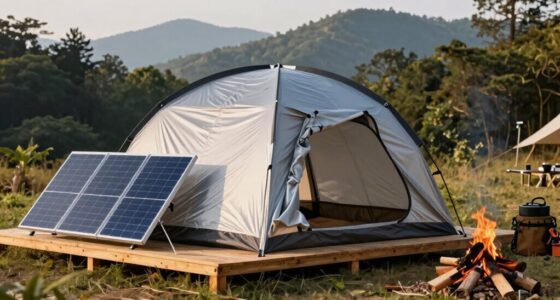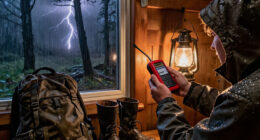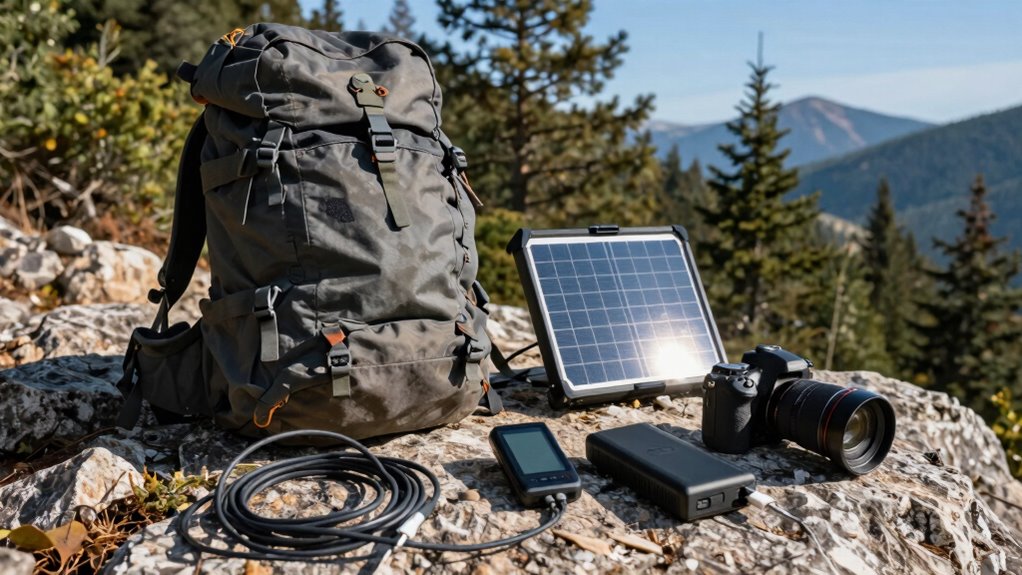

Before taking more power-dependent gear outside, you should understand battery safety, including risks of fire and explosion from mishandling or overcharging. Inspect and maintain your equipment regularly, keeping cables clean and connections tight. Store batteries properly in cool, dry places and secure gear during transport. Follow manufacturer instructions, use approved chargers, and carry safety equipment like fire extinguishers. Staying aware of safety protocols helps prevent accidents, and if you want to know more, there’s plenty to learn to stay protected.

Get emergency and outdoor gear delivered free with Prime
- Fast, free delivery on millions of items
- Prime Video, Amazon Music and more included
- Member-only deals all year
Key Takeaways
- Ensure batteries are properly charged, stored, and protected from extreme temperatures and physical damage.
- Use approved chargers and follow manufacturer instructions to prevent overcharging and safety hazards.
- Regularly inspect and clean gear, terminals, and solar panels for optimal performance and safety.
- Secure equipment during transport and store batteries in organized, impact-resistant containers.
- Carry safety equipment like fire extinguishers and familiarize yourself with emergency procedures.
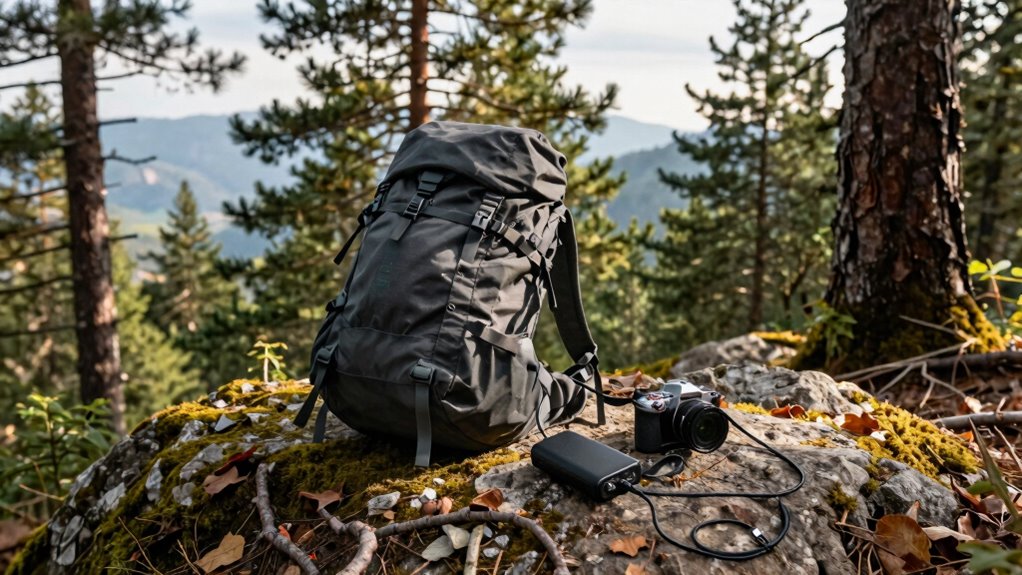
Taking more power-dependent gear outdoors can be rewarding, but it also comes with important considerations. When you’re venturing into the outdoors with devices like portable generators, battery packs, or solar-powered equipment, understanding how to keep them safe and functional is key. Battery safety should be your top priority, especially since many power-dependent devices rely on lithium-ion or other rechargeable batteries. These batteries can pose risks if mishandled—overcharging, exposing them to extreme temperatures, or physical damage can lead to malfunctions, fires, or even explosions. Always read manufacturer instructions carefully, use approved chargers, and avoid leaving batteries in direct sunlight or freezing conditions. Carrying safety equipment like fire extinguishers or fire blankets is also a wise move, just in case something goes wrong.
Equipment maintenance is equally vital for outdoor adventures. Regularly inspecting your gear before each trip helps you identify issues such as corrosion, loose connections, or damaged cables. Clean terminals and connectors with a dry cloth and ensure that all parts are functioning properly. Keeping batteries charged but not overcharged, and storing them in cool, dry places, prolongs their life and prevents unexpected failures. If your gear includes solar panels, check for dirt, dust, or debris that can block sunlight and reduce efficiency. Properly securing your equipment during transport prevents damage from bumps or drops, which could compromise safety or cause malfunctions. Maintaining your gear is not just about extending its lifespan; it’s about guaranteeing reliable power when you need it most. Additionally, understanding battery safety and how to prevent thermal runaway is crucial for outdoor use. Being aware of the correct charging procedures helps prevent overcharging and potential hazards, especially in remote environments. Regularly familiarizing yourself with manufacturer guidelines can also help you stay informed about specific safety measures for your equipment. It’s also important to be aware of safety protocols for lithium-ion batteries to mitigate risks associated with their use outdoors. To further enhance safety, consider carrying a portable fire safety kit designed for electrical fires, especially when using high-capacity batteries or generators outdoors.
portable battery pack with safety features
As an affiliate, we earn on qualifying purchases.
As an affiliate, we earn on qualifying purchases.
Frequently Asked Questions
How Do I Safely Store Extra Batteries During Outdoor Trips?
You should store extra batteries in a cool, dry place, keeping them insulated from extreme temperatures with battery insulation. Carry them in a protective case to prevent damage. When possible, plan to access charging stations along your route to recharge your batteries, reducing the need for additional spares. Always handle batteries carefully, avoiding punctures or exposure to water, and check their condition regularly to guarantee safety and peak performance during your outdoor trip.
What Are the Signs My Gear Is Overloading?
Did you know that overloading gear causes 60% of outdoor equipment failures? You’ll notice signs like overheating, unusual noises, or rapid battery drain, indicating your gear may be overloaded. To avoid this, prioritize battery maintenance and smart power management, ensuring your devices don’t draw more power than they’re designed to handle. Keep an eye on performance, and if something seems off, give your gear a break before further use.
Can Power-Dependent Gear Damage Batteries if Used Improperly?
Yes, power-dependent gear can damage batteries if used improperly. To prevent this, you should perform regular battery calibration to guarantee accurate readings and avoid overcharging. Follow proper charging precautions, such as using compatible chargers and avoiding extreme temperatures, which can shorten battery life. Proper care helps maintain battery health, ensuring your gear functions reliably during outdoor adventures without risking damage or reduced performance.
How Long Can I Run Power-Dependent Devices Continuously Outdoors?
You can run power-dependent devices outdoors for several hours, but it depends on your battery capacity and power consumption. To maximize usage, practice battery conservation by turning off devices when not in use. Use surge protectors or surge suppression devices to prevent power surges that could damage your gear. Regularly monitor your battery levels, and consider portable power sources for extended use, ensuring your equipment stays safe and operational.
Are There Eco-Friendly Alternatives to High-Power Outdoor Gear?
Like a knight from a bygone era seeking greener quests, you can opt for eco-friendly alternatives to high-power outdoor gear. Solar charging is an excellent choice, harnessing sunlight to power your devices sustainably. Eco-friendly batteries, such as lithium iron phosphate, offer long-lasting, less harmful options. These alternatives diminish your carbon footprint while keeping your gear powered. Embracing these eco innovations helps protect nature and ensures your adventures are more sustainable.
As an affiliate, we earn on qualifying purchases.
Conclusion
Before you boldly bring more power-dependent gear outdoors, balance your budget with safety and smarts. Be prepared, be cautious, and don’t forget to check the charge, cords, and capabilities. By blending awareness with adventure, you’ll avoid mishaps and make memorable moments. Power up wisely and wander worry-free, turning technical troubles into tales of triumph. Remember, wise planning keeps your outdoor outing enjoyable, exciting, and entirely trouble-free.
fire extinguisher for electrical fires
As an affiliate, we earn on qualifying purchases.
As an affiliate, we earn on qualifying purchases.
impact-resistant battery storage container
As an affiliate, we earn on qualifying purchases.
As an affiliate, we earn on qualifying purchases.
Columbus Day / Indigenous Peoples' Day Picks
long weekend sales
As an affiliate, we earn on qualifying purchases.